ALS Hobbies: Effortless Ways to Enjoy Adaptive Fun
Living with ALS (Amyotrophic Lateral Sclerosis) can pose significant challenges, yet the pursuit of hobbies and recreational activities remains essential for enhancing quality of life. Engaging in ALS hobbies not only provides enjoyment but also offers therapeutic benefits and promotes social interaction. Delving into adaptive recreation tailored for individuals facing mobility and motor control issues can transform leisure time into enriching experiences.
Understanding ALS and Its Impact
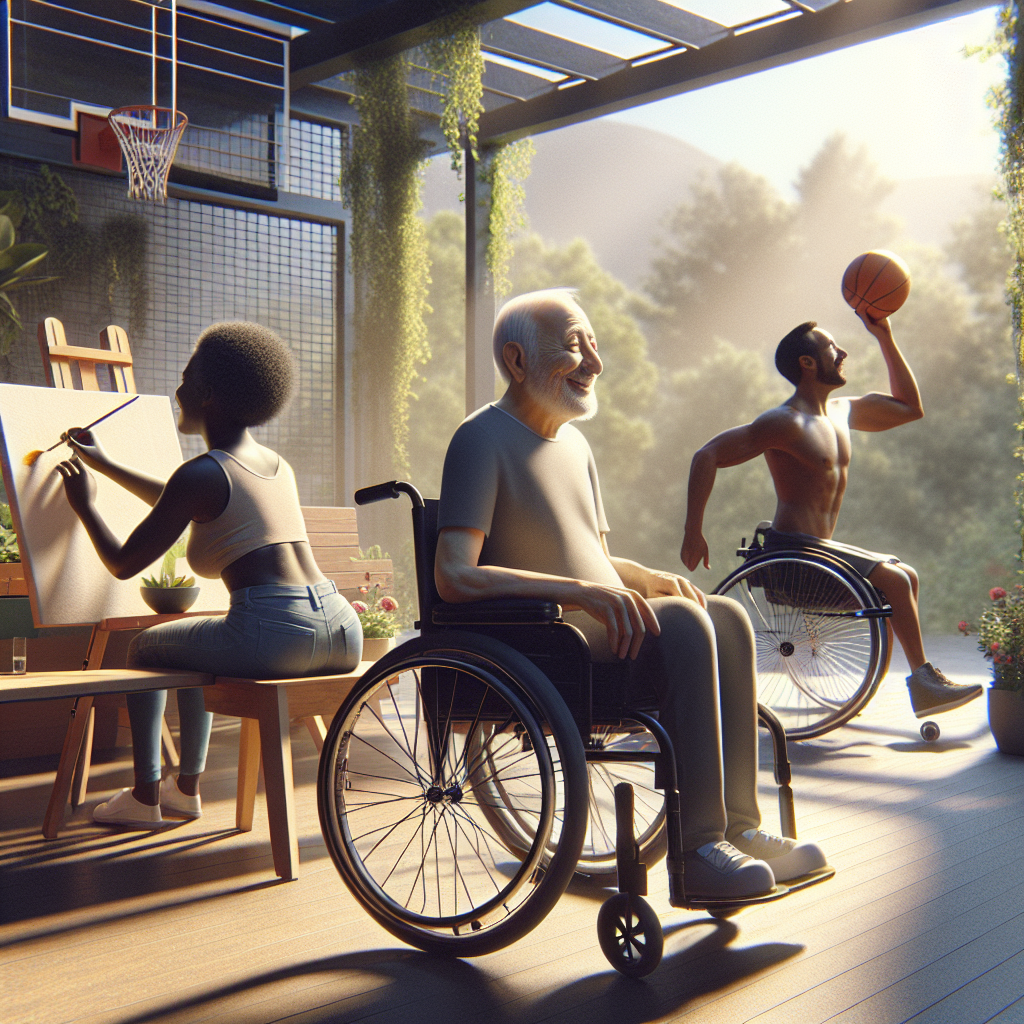
ALS, also known as Lou Gehrig’s disease, is a progressive neurodegenerative disorder affecting nerve cells in the brain and spinal cord. It leads to muscle weakness and impairs physical functions. Consequently, adapting activities to align with an individual’s capabilities becomes crucial. Adaptive recreation offers ways to modify or create new activities, ensuring accessibility and enjoyment for all.
What Are ALS Hobbies?
ALS hobbies span a wide range of interests, crafted to suit varying levels of ability. They foster creativity, mental engagement, and even physical exercise in a manner appropriate to each individual’s needs. Here is a look at some popular options:
Popular ALS Hobbies
– Art and Crafting: Utilizing adaptive tools and techniques allows for continued exploration of artistic pursuits. This can include painting with accessible brushes or sculpting with lightweight materials.
– Music and Sound: Listening to music, playing adaptive instruments, or engaging in sound therapy can profoundly impact mood and well-being.
– Gardening: Raised gardens and lightweight tools make gardening accessible. It can provide a calming outlet and connection to nature.
– Adaptive Sports: Wheelchair basketball, boccia, and accessible swimming options cater to various levels of physical ability, promoting physical health and social interaction.
– Cooking and Baking: Simplified recipes and adaptive kitchen tools can make culinary activities enjoyable and fulfilling.
– Reading and Audiobooks: Digital and audiobooks provide endless opportunities for exploration and escape through literature.
Adaptive Recreation: Making Leisure Accessible
Adaptive recreation is vital for individuals with ALS, allowing them to participate in activities that might otherwise be limited by physical constraints. Here are some ways to ensure hobbies remain a source of joy:
Creating a Supportive Environment
– Modify the Home Space: Ensure that the home environment is organized to minimize physical barriers. Adaptive equipment and technology can aid mobility and access.
– Leverage Technology: Use speech-generating devices and adaptive gaming controllers. Technological advancements have made it easier to engage in a wide variety of hobbies.
Embracing Community and Connections
– Join Support Groups: Engaging with others who understand the challenges can provide emotional support and practical solutions. Many communities offer groups focused on recreational activities or adaptive sports.
– Explore Online Communities: Virtual platforms and forums offer spaces to connect with others, share experiences, and discover new hobbies.
Professional Assistance and Adaptive Equipment
– Occupational Therapy: Professionals can offer personalized suggestions for adaptive hobbies, ensuring they align with individual preferences and abilities.
– Adaptive Equipment: Specialized tools designed for those with limited mobility can transform otherwise challenging activities into manageable ones.
Benefits of Engaging in ALS Hobbies
Participating in recreational activities tailored for ALS sufferers provides numerous benefits beyond mere enjoyment. These include:
– Mental Stimulation: Hobbies that require mental engagement can contribute to cognitive health. They offer a sense of purpose and achievement, fostering positive mental health.
– Physical Activity: Adaptive activities can help maintain physical fitness, strength, and flexibility. Even gentle exercises can have long-lasting health impacts.
– Social Interaction: Engaging in group activities provides opportunities for socialization, reducing feelings of isolation and building supportive networks.
– Emotional Well-being: Pursuing hobbies can enhance mood, decrease stress levels, and create a sense of routine and normalcy in daily life.
Resources for Adaptive Recreation and ALS Hobbies
Finding resources and support is crucial for anyone looking to explore ALS hobbies. Here are some valuable starting points:
– Local Support Organizations: Many ALS associations offer resources, classes, and community events designed to enhance quality of life and foster social connections.
– Online Platforms: Websites such as the ALS Association and local organizations provide virtual resources, suggesting adaptive technologies and ideas for hobbies.
– Adaptive Equipment Suppliers: Companies specializing in adaptive tools can offer products designed to meet individual needs. Enabling individuals to try different options can lead to discovering fulfilling hobbies.
Conclusion
Engaging in ALS hobbies by embracing adaptive recreation can drastically improve quality of life for those impacted by ALS. By exploring tailored activities and utilizing adaptive equipment, individuals can enjoy enriched leisure experiences, social connections, and enhanced emotional health.
For more information or assistance, reach out about your ALS and Real Water case through the Real Water ALS Information contact page, explore more related content on the Real Water ALS blog, or call 702-385-6000 for immediate assistance.
References
– ALS Association
– National Institute of Neurological Disorders and Stroke
– Mayo Clinic: ALS