ALS Pulse Oximeter: Effortless Monitoring of Oxygen Levels
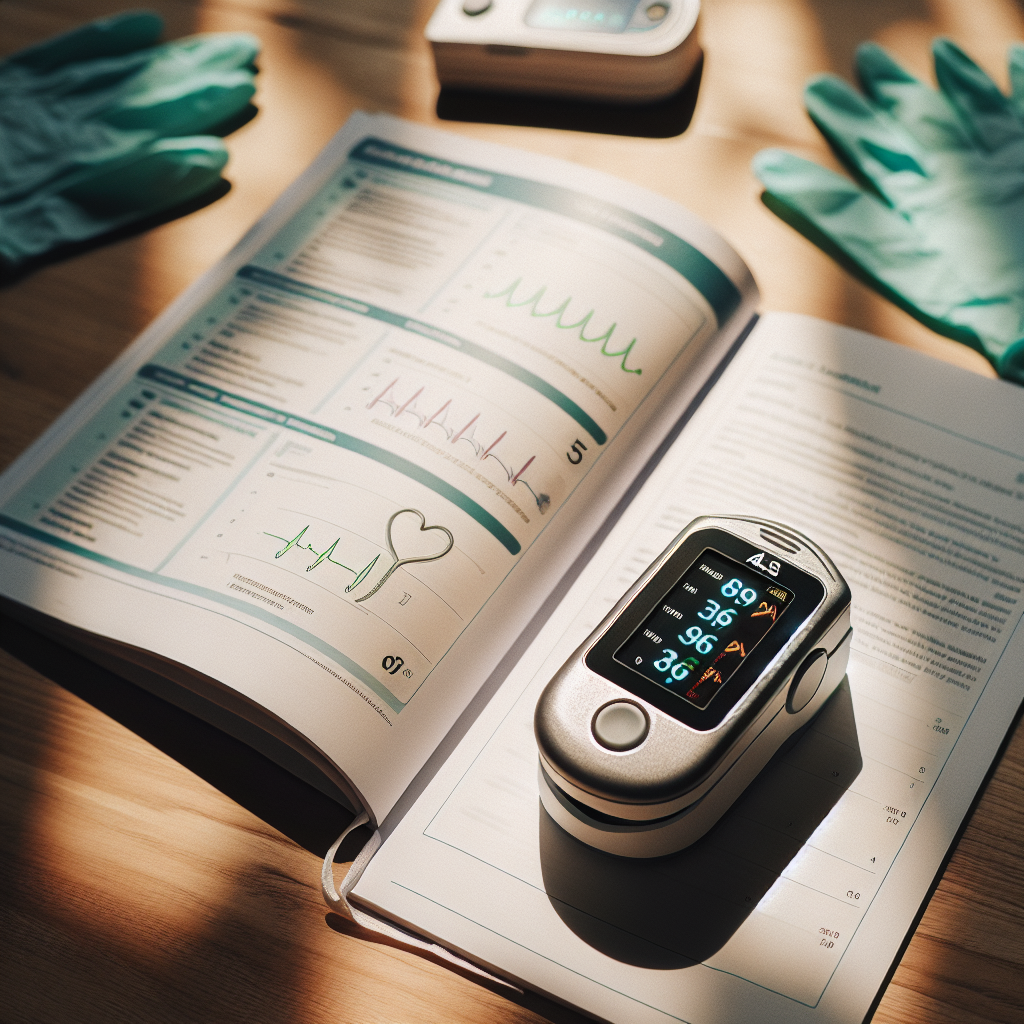
When it comes to managing Amyotrophic Lateral Sclerosis (ALS), monitoring oxygen levels becomes a crucial aspect of patient care. An ALS pulse oximeter serves as a vital tool in this management, providing a noninvasive, efficient, and userfriendly way to track oxygen saturation in individuals facing this progressive neurodegenerative disease. Understanding the importance and functionality of a pulse oximeter can significantly impact the quality of life for ALS patients and their caregivers.
Understanding ALS and the Importance of Oxygen Levels
ALS, often referred to as Lou Gehrig’s disease, is a condition that damages the neurons responsible for controlling voluntary muscles. This damage results in muscle weakness, respiratory difficulties, and ultimately, a decline in a patient’s ability to breathe unaided. Monitoring oxygen levels regularly becomes imperative since compromised respiratory function can lead to severe complications.
How an ALS Pulse Oximeter Works
What is a Pulse Oximeter?
A pulse oximeter is a small, clip-like device that measures oxygen saturation in the blood and heart rate by analyzing the light absorption of oxygenated versus deoxygenated blood. It is typically attached to a thin part of the patient’s body, such as a fingertip or earlobe.
Key Features of Pulse Oximeters for ALS
– Noninvasive Monitoring: Without the need for blood samples, pulse oximeters provide immediate feedback on oxygen levels.
– User-Friendly Design: Many models are designed for easy use, even by non-medical personnel. Features such as large, readable displays and simple interfaces make them accessible.
– Portability: Compact designs allow for continuous monitoring at home or during outings.
– Alarm Systems: Most devices include alarms to alert caregivers if oxygen levels drop below a certain threshold.
Advantages of Using a Pulse Oximeter for ALS Patients
1. Immediate Detection of Oxygen Drop:
– Enables quick response to declining respiratory health.
– Alerts caregivers and medical professionals to take necessary actions promptly.
2. Enhances Quality of Care:
– Facilitates personalized care plans by providing regular oxygen level data.
– Helps in making informed decisions regarding ventilatory support and other therapies.
3. Empowers Patients and Caregivers:
– Provides peace of mind by offering continuous, real-time monitoring.
– Encourages active participation in health management.
Selecting the Right ALS Pulse Oximeter
Factors to Consider:
– Accuracy: Ensure the device is FDA-approved and known for precise measurements.
– Battery Life: Long-lasting batteries allow for continuous use without frequent recharging.
– Compatibility: Some oximeters sync with smartphones for easy data tracking and sharing.
– Durability: A robust design that can withstand regular use is vital for ALS patients.
Best Practices for Using a Pulse Oximeter
1. Consistent Monitoring: Conduct regular checks, especially when symptoms suggest respiratory distress.
2. Proper Placement: Follow guidelines for proper positioning on fingers or earlobes to ensure accurate readings.
3. Follow-Up on Alerts: Never ignore alarms. Immediate follow-up can prevent potential respiratory crises.
Future Trends in Oxygen Monitoring for ALS
Technological Advancements:
Innovations continue to make pulse oximeters more beneficial for ALS management. New developments include wearable technology, integration with other vital trackers, and mobile app compatibility for better data visualization and remote monitoring.
Conclusion
Incorporating an ALS pulse oximeter into the daily routine is an effortless yet highly effective approach to monitoring oxygen levels in ALS patients. The convenience, accuracy, and realtime insights offered empower not only the individuals affected by this disease but also their caregivers, paving the way for enhanced care and improved outcomes.
For those seeking more information or assistance, reach out about your ALS and Real Water case through the Real Water ALS contact page. Explore more related content on the Real Water ALS blog page, or call 702-385-6000 for immediate assistance.
References
– Healthline – What Is ALS?
– Mayo Clinic – ALS (Amyotrophic Lateral Sclerosis)
– FDA – Pulse Oximeters and Oxygen Concentrators
– PubMed – Pulse Oximetry for Monitoring Patients with ALS