Pridopidine ALS: A Breakthrough with Stunning Sigma-1 Agonist Results
Pridopidine ALS research has recently taken center stage in the scientific community, bringing hope to many affected by this debilitating disease. Increasing interest surrounds this compound due to its ability to target specific neural pathways, potentially offering a much-needed breakthrough in Amyotrophic Lateral Sclerosis (ALS) treatment. As understanding of pridopidine’s mechanisms deepens, the scientific world eagerly awaits the results of ongoing studies.
Understanding ALS: An Overview
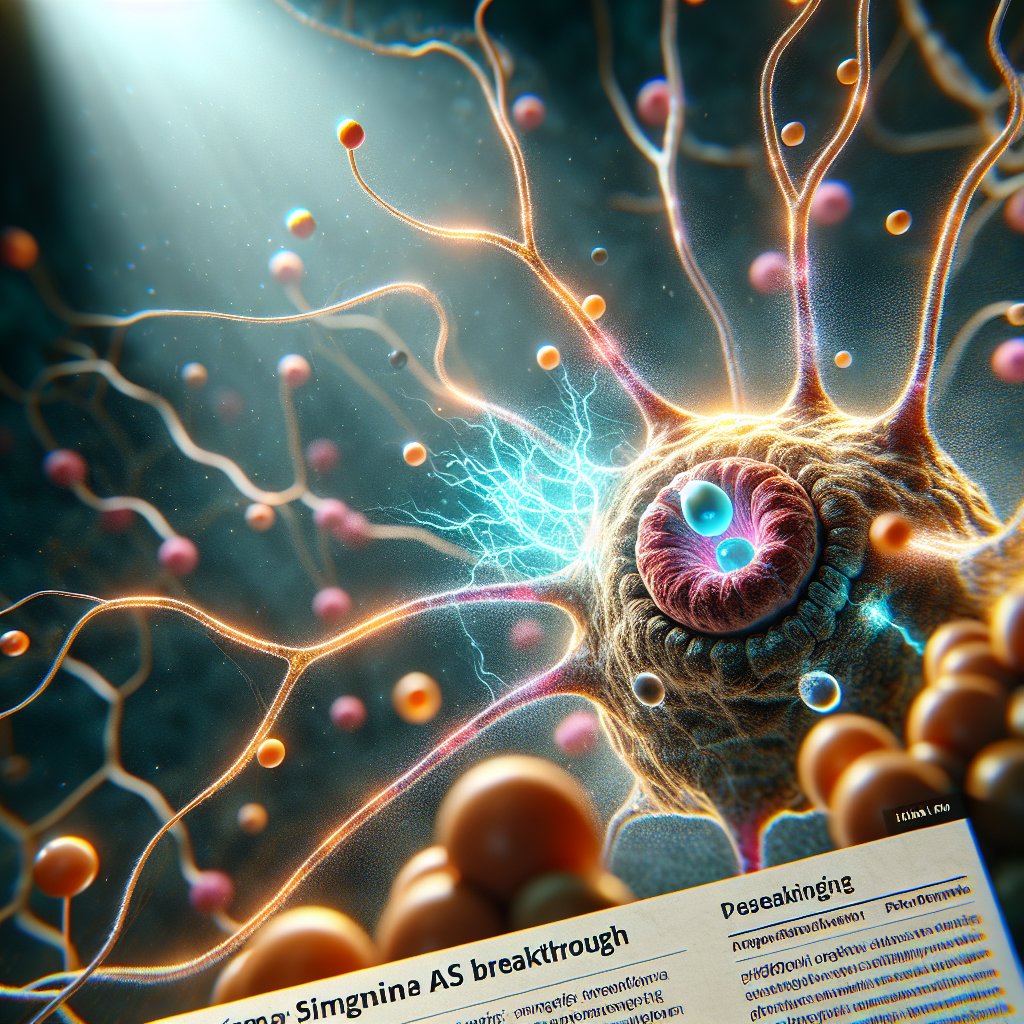
ALS, also known as Lou Gehrig’s disease, is a neurodegenerative condition characterized by the progressive loss of motor neurons. It leads to muscle weakness, difficulty in speaking, swallowing, and eventually breathing. While the exact cause of ALS remains unknown, the disease is believed to arise from a combination of genetic and environmental factors.
Despite numerous research efforts, effective treatments remain elusive. Existing options primarily focus on slowing disease progression or symptom management, highlighting the need for new therapeutic strategies.
Pridopidine: A Promising Candidate
Originally investigated for Huntington’s disease, pridopidine has caught the attention of ALS researchers due to its unique mechanism as a sigma-1 receptor agonist. This role as a sigma-1 agonist makes pridopidine especially promising.
How Sigma-1 Receptors Work
Sigma-1 receptors are chaperone proteins located in the endoplasmic reticulum. They play a vital role in cellular protection and homeostasis, modulating calcium signaling, stress responses, and neuroplasticity. The activation of these receptors is believed to enhance cellular defense mechanisms, potentially slowing neurodegeneration.
Pridopidine’s Mechanism of Action
Pridopidine’s action as a sigma-1 agonist positions it uniquely in the landscape of ALS treatment. The drug binds to these receptors, activating pathways that protect neurons from degeneration. This interaction is crucial since it may prevent motor neuron death, a hallmark of ALS.
Recent Sigma-1 Agonist Breakthroughs
Research around pridopidine’s effects as a sigma-1 agonist is progressing rapidly with promising results. Early-stage trials demonstrate its potential in stabilizing motor function and slowing disease progression.
Significant Findings
– Neuroprotection: Studies indicate that pridopidine’s activation of sigma-1 receptors significantly enhances cellular defenses against neurodegeneration.
– Disease Modulation: Research in animal models reveals that pridopidine may slow down the loss of motor neurons, thereby extending survival rates.
– Clinical Trials: Ongoing human trials are set to determine efficacy and safety, offering a new possibility for patients with limited therapeutic options.
These findings are generating excitement within the scientific community, boosting confidence in pridopidine’s prospective impact.
The Future of ALS Treatment with Pridopidine
Given these advancements, pridopidine could redefine ALS management, providing both patients and healthcare providers with new hope.
Potential Implications
– Therapeutic Landscape: Should extensive trials confirm current findings, pridopidine may become a cornerstone of ALS therapy, shifting focus from symptom control to disease modification.
– Broader Research Impacts: Understanding sigma-1 receptors better could lead to breakthroughs in other neurodegenerative diseases, widening the applicability of this research.
Challenges Ahead
While pridopidine shows great promise, challenges remain. Trials must ascertain long-term efficacy and safety. Additionally, ensuring accessibility and affordability of new treatments will be crucial.
Engaging with the ALS Community
Participating in upcoming clinical trials and supporting research initiatives presents an opportunity for the ALS community to help advance this promising therapy. Advocacy and awareness can also drive funding, underpinning rapid development and potential breakthroughs.
Call to Action
For those interested in the exciting developments surrounding pridopidine and ALS, connecting with experts and staying informed is essential. Reach out about your ALS and Real Water case through the realwateralsinfo.com contact page, explore more related content on the realwateralsinfo.com blog page, or call 702-385-6000 for immediate assistance.
References
– Understanding ALS
– The potential of sigma-1 receptors in neuroprotection
– Pridopidine’s effects in a Huntington’s disease model
– Clinical advancements in ALS treatment