Kennedy’s Disease vs ALS: Must-Know Differences Revealed
Kennedy’s disease and amyotrophic lateral sclerosis (ALS) are both neuromuscular disorders that can significantly impact a person’s life. However, understanding the differences between these two conditions is crucial for effective diagnosis and treatment.
What is Kennedy’s Disease?
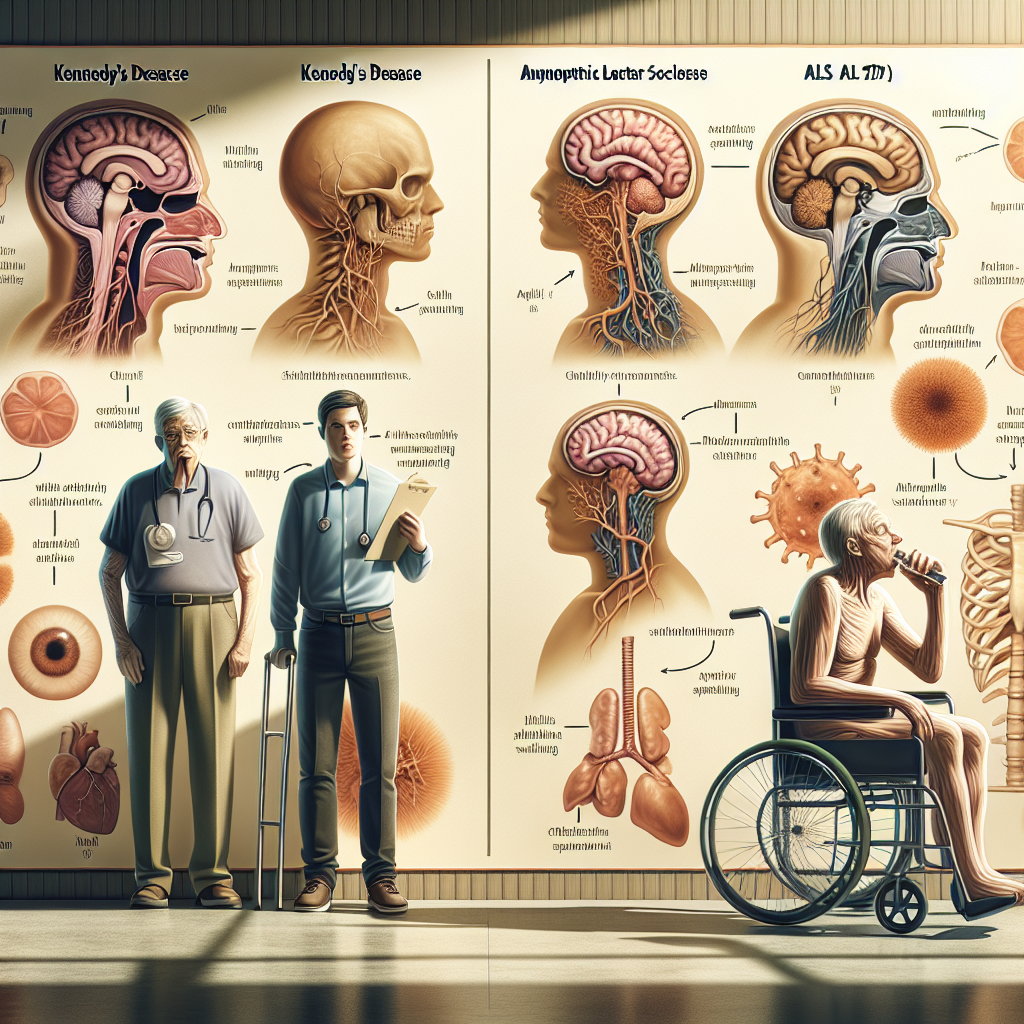
Kennedy’s disease, also known as spinal bulbar muscular atrophy (SBMA), is a genetic neurodegenerative disorder caused by a mutation in the androgen receptor (AR) gene. This condition predominantly affects males, due to its X-linked recessive inheritance pattern, though females can be carriers. Symptoms typically begin in adulthood and include muscle weakness, cramps, and tremors. Understanding these symptoms in detail can help distinguish this condition from ALS.
Symptoms of Kennedy’s Disease
– Muscle Weakness: It commonly starts with weakness in the facial, throat, and limb muscles.
– Cramps and Fasciculations: Patients experience frequent muscle cramps and twitching, medically known as fasciculations.
– Swallowing and Speech: Difficulty in swallowing (dysphagia) and slurred speech are prominent due to bulbar muscle involvement.
– Endocrine Issues: Gynecomastia and reduced fertility may occur due to androgen insensitivity.
Diagnosis and Treatment
Diagnosis of Kennedy’s disease involves genetic testing to identify the AR gene mutation. Although there is no cure, supportive treatments such as physical therapy and medications to manage symptoms can improve quality of life.
Key Features of ALS
ALS, often referred to as Lou Gehrig’s disease, is a progressive neurodegenerative disorder that affects nerve cells in the brain and spinal cord. Unlike Kennedy’s disease, ALS can lead to more rapid deterioration.
Symptoms of ALS
– Muscle Weakness: This condition leads to significant muscle wasting throughout the body.
– Spasticity: Patients may experience stiffness and cramps as muscles become rigid.
– Bulbar Symptoms: Although similar to Kennedy’s disease, bulbar involvement in ALS progresses more aggressively.
– Respiratory Failure: ALS often results in death due to respiratory failure as diaphragm muscles weaken over time.
Diagnosing ALS
Diagnosis typically involves a combination of clinical examination, electromyography (EMG), nerve conduction studies, and ruling out other conditions. There is no single test for ALS, making accurate diagnosis challenging.
Kennedy’s Disease vs ALS: Critical Differences
Genetic Basis
– Kennedy’s Disease: X-linked recessive genetic mutation in the AR gene.
– ALS: Primarily sporadic with some hereditary cases involving different genetic mutations.
Onset and Progression
– Kennedy’s Disease: Slow progression over several decades.
– ALS: Rapid progression, often leading to severe disability within a few years.
Demographics
– Kennedy’s Disease: Primarily affects males.
– ALS: Affects both genders, though slightly more common in men.
Treatment Approaches
– Kennedy’s Disease: Focuses on symptomatic relief and improving quality of life through therapies.
– ALS: Treatment is primarily supportive, but medications like Riluzole and Edaravone can slow progression.
SBMA ALS Mimic: Why Misdiagnosis Occurs
Kennedy’s disease is often referred to as an “SBMA ALS mimic” due to its shared symptoms with ALS, particularly muscle weakness and bulbar involvement. Misdiagnosis can occur without genetic testing due to overlapping clinical presentations. Understanding these subtleties is vital for healthcare professionals.
Differentiating Factors
1. Genetic Testing: Critical for identifying Kennedy’s disease.
2. Progression Speed: ALS progresses more rapidly, affecting respiratory function sooner.
3. Endocrine Symptoms: More prevalent in Kennedy’s disease due to androgen receptor issues.
Living with Kennedy’s Disease or ALS
Managing life with these conditions requires a comprehensive support system to address physical, emotional, and practical needs. Both conditions necessitate regular medical care, adaptive equipment, and support from caregivers.
Support Strategies
– Physical Therapy: Essential for maintaining mobility and reducing muscle stiffness.
– Occupational Therapy: Helps adapt daily activities to enhance independence.
– Speech Therapy: Assists with communication challenges due to bulbar symptoms.
Conclusion
Understanding the differences between Kennedy’s disease and ALS is essential for accurate diagnosis and management. While both conditions share certain symptoms, their distinct genetic and clinical features necessitate targeted approaches to treatment.
For those seeking more information or needing support, you’re encouraged to reach out through this contact page, explore more content, or call 702-385-6000 for immediate assistance.
References
– Spinal Bulbar Muscular Atrophy
– ALS Association
– National Institute of Neurological Disorders and Stroke