ALS Nebulizer Suction: A Comprehensive Guide to Effortless Home Mastery
Understanding ALS nebulizer suction is crucial for those managing amyotrophic lateral sclerosis at home. This complex condition impacts the motor neurons, causing muscle weakness and eventual loss of voluntary movement. Respiratory issues often arise, making effective home respiratory care vital for maintaining a better quality of life.
The Role of ALS Nebulizer Suction
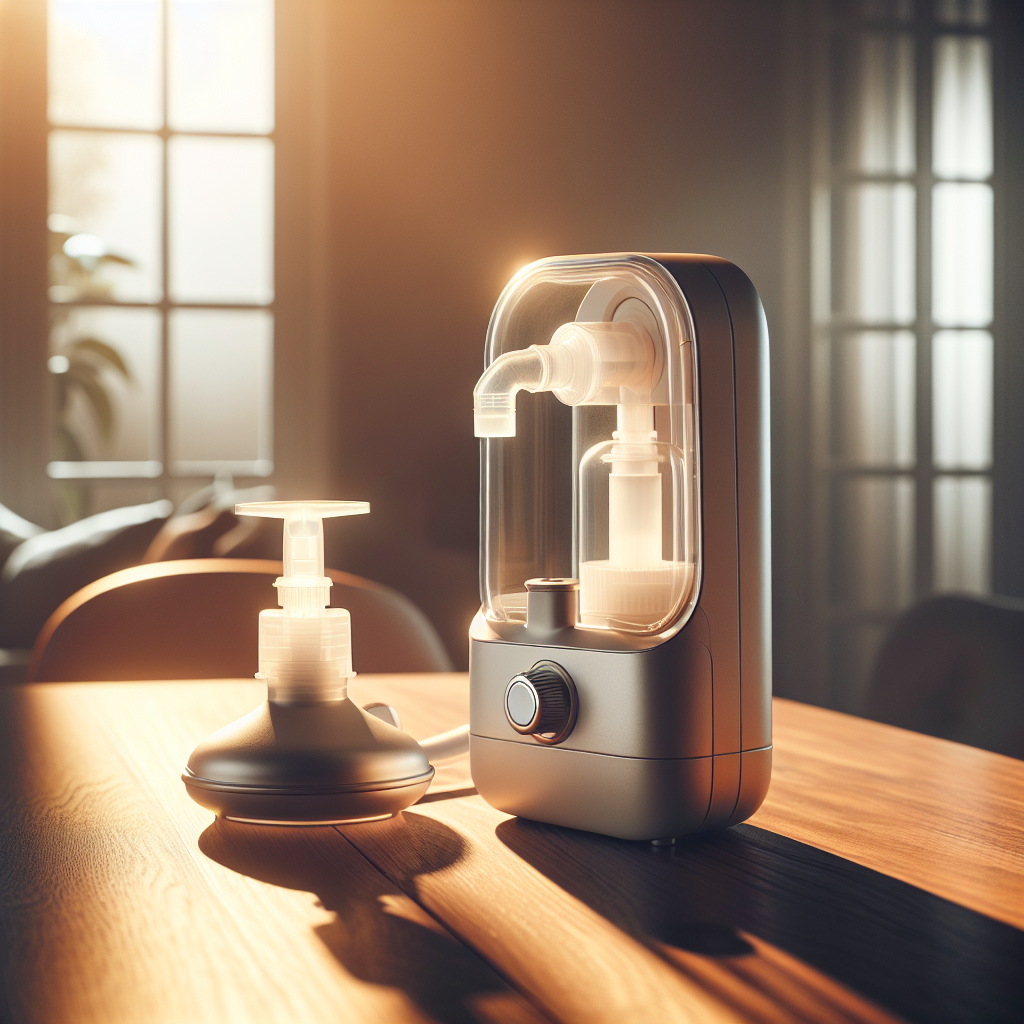
For ALS patients, maintaining clear airways is a priority. Mucus buildup can lead to severe complications, making devices like nebulizers and suction machines essential. These tools assist in respiratory care, ensuring airways remain unobstructed.
What is a Nebulizer?
A nebulizer is a device that converts liquid medication into a mist, making it easier to inhale into the lungs. For ALS patients, this is particularly important. The mist can loosen mucus, relieve breathing difficulties, and deliver essential medications efficiently.
Why is Suction Important?
Suction devices remove excess mucus or saliva from the airways. ALS patients often experience difficulty swallowing, leading to mucus accumulation. Using a suction machine helps clear these secretions, reducing the risk of pneumonia and other respiratory infections.
Setting Up ALS Nebulizer Suction at Home
Creating an effective home respiratory care setup requires careful planning and the right equipment. With proper preparation, family members can offer significant support to loved ones with ALS.
Selecting the Right Equipment
– Nebulizer Type: Choose between jet, ultrasonic, or mesh nebulizers. Each type has unique benefits; consulting with healthcare providers is crucial for making the right choice.
– Suction Machine: Consider portability, noise level, and suction pressure. Take recommendations from medical professionals to ensure compatibility with personal needs.
– Accessories: Stock up on masks, mouthpieces, and tubing. Keeping spare parts on hand guarantees uninterrupted care.
Creating a Comfortable Environment
– Dedicated Space: Designate a quiet, clean area for respiratory treatments. Consistent routines promote comfort and ease for the patient.
– Storage Solutions: Organize equipment efficiently. Consider using labeled bins or shelves for easy access to supplies.
– Cleaning Supplies: Regularly sterilize nebulizer and suction machine components to prevent infections. Have cleaning solutions and instructions readily available.
Mastering ALS Nebulizer Suction Techniques
Although managing respiratory treatments at home may seem daunting, mastering these techniques is possible with practice and the right guidance.
Proper Nebulizer Use
1. Medication Preparation: Measure and prepare the medication according to instructions.
2. Mouthpiece or Mask Placement: Choose between a mouthpiece or mask. Ensure a snug fit to maximize effectiveness.
3. Inhalation Technique: Breathe slowly and deeply. Encourage patience as the medication turns to mist, typically taking 10–15 minutes.
Effective Suctioning
1. Setting Up the Suction Machine: Adjust the suction pressure to a comfortable level for the patient. Test on a small area of skin if necessary.
2. Positioning the Patient: Position the patient upright to facilitate mucus drainage.
3. Suctioning Technique: Insert the catheter gently. Use a sweeping motion to remove mucus, being mindful not to cause discomfort.
Safety Tips
– Regular Monitoring: Constantly assess the patient’s comfort and vital signs during treatments. Watch for signs of distress.
– Professional Guidance: Schedule regular checkins with healthcare providers to review techniques and equipment usage.
– Emergency Plan: Develop a plan for quick action in case of an emergency. Keep emergency contacts easily accessible.
Benefits of Mastering ALS Nebulizer Suction at Home
With practice and commitment, maintaining respiratory health at home can become an empowering process.
Enhanced Comfort and Independence
– Personalized Care: Tailor treatments to the patient’s daily needs and preferences.
– Reduced Hospital Visits: Effectively managing respiratory issues at home can minimize the need for emergency interventions.
Improved Quality of Life
– Symptom Management: Regular treatments can alleviate symptoms, making everyday activities more manageable.
– Emotional Wellbeing: Offering attentive care supports emotional health, fostering a nurturing environment for both patient and family.
Looking Ahead: Staying Equipped and Informed
As ALS progresses, needs change, so staying informed is key to ongoing successful management.
Continuous Learning
– Educational Resources: Explore credible online resources, support groups, and educational workshops.
– Adaptive Strategies: Be open to adapting techniques and equipment as the patient’s condition evolves.
Engaging with Support Networks
– Caregiver Support Groups: Connect with other caregivers for shared experiences, tips, and emotional support.
– Professional Partnerships: Maintain strong relationships with healthcare providers for expert advice and intervention.
For more support and information, consider reaching out about ALS and Real Water cases through the realwateralsinfo.com/contact page. Explore more related content and resources on the realwateralsinfo.com/blog page. For immediate assistance, please call 702-385-6000.
References
– ALS Association
– National Institute of Neurological Disorders and Stroke
– American Lung Association