ALS Smart Home: Effortless Voice Control Basics
ALS smart home technology is revolutionizing the lives of those living with Amyotrophic Lateral Sclerosis (ALS) by providing them with greater independence and ease of living. Through voice control integration, individuals can manage their environment with minimal physical effort. This article explores the basics of leveraging voice-activated systems to create a more accessible home for those affected by ALS.
Understanding ALS and the Need for Smart Homes
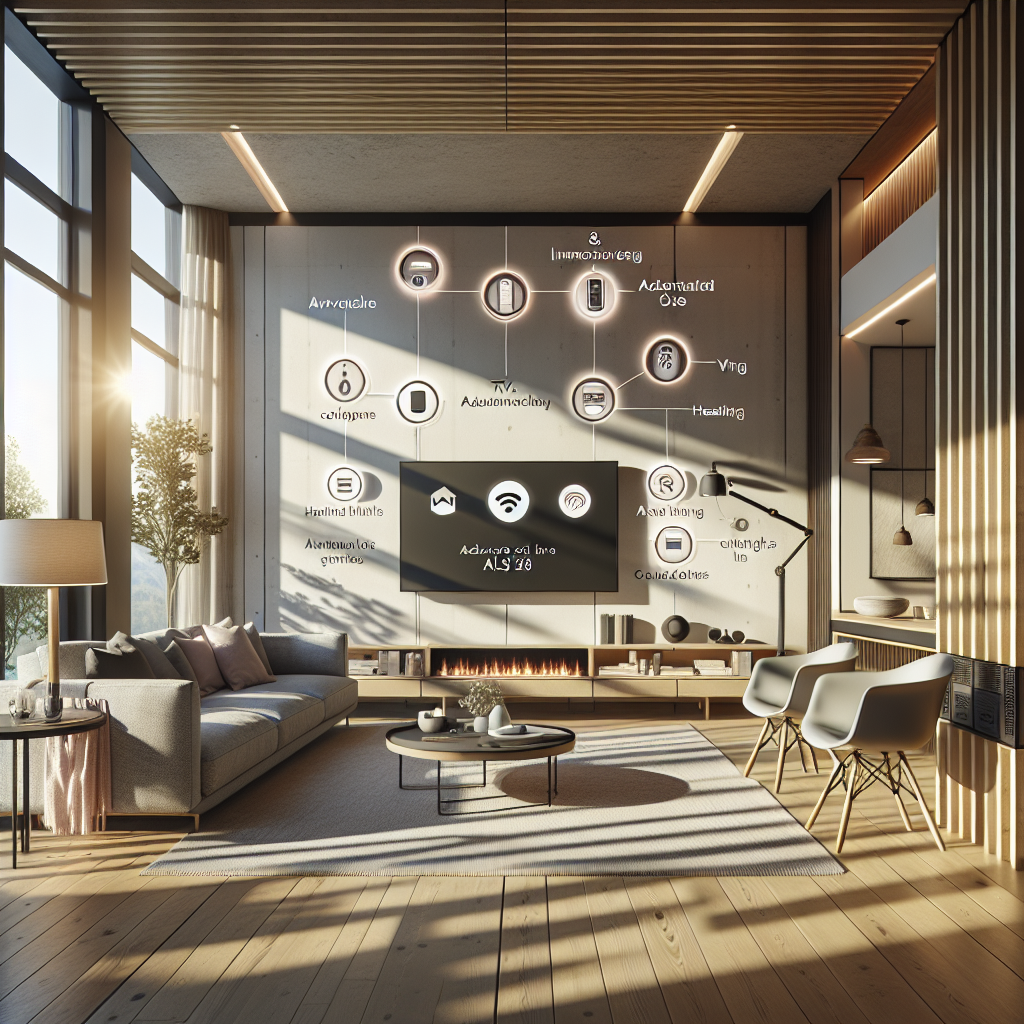
Amyotrophic Lateral Sclerosis (ALS) is a neurodegenerative disease that affects nerve cells in the brain and spinal cord, leading to a loss of muscle control. Over time, simple tasks become increasingly difficult, making it crucial to find solutions that enhance daily living without requiring physical exertion.
Benefits of ALS Smart Home Solutions
– Increased Independence: Voice control empowers individuals to perform daily tasks independently.
– Enhanced Safety: Smart home devices can monitor and react to emergencies, providing peace of mind.
– Improved Quality of Life: Simplifying mundane tasks allows individuals to focus on more meaningful activities.
Voice Control in ALS Smart Homes
Voice control is a critical component of creating an effective ALS smart home. Here’s how it works and why it’s particularly beneficial for individuals with ALS.
How Voice Control Works
Voice control involves using voice commands to operate smart devices within the home. This technology is often facilitated by virtual assistants like Amazon Alexa, Google Assistant, or Apple’s Siri, allowing users to:
– Turn on/off lights and appliances
– Adjust thermostats
– Lock/unlock doors
– Control entertainment systems
Why Voice Control is Ideal for ALS Patients
– Hands-Free Operation: Reduces the need for physical movement, aligning with mobility limitations.
– Customizable Commands: Tailoring commands to an individual’s needs provides a personalized experience.
– Ease of Use: Simple, intuitive commands make the technology accessible to all ages.
Setting Up Your ALS Smart Home
Creating an ALS smart home starts with setting up the right devices and integrating them through voice control. Here’s a step-by-step guide:
Choosing the Right Devices
When selecting devices, focus on compatibility and ease of integration. Popular categories to consider include:
– Smart Speakers: The cornerstone of any voice-controlled home, enabling voice interaction.
– Smart Lighting: Adjustable lighting systems that respond to voice commands for comfort and safety.
– Smart Thermostats: Allow for easy temperature control, enhancing comfort.
– Security Systems: Enable voice-controlled security features for added protection.
Integrating Devices with Voice Control
1. Select a Virtual Assistant: Choose from options like Amazon Alexa, Google Assistant, or Apple Siri based on compatibility with your devices.
2. Connect Devices: Follow device-specific instructions to link them to your virtual assistant.
3. Set Up Voice Commands: Customize commands to suit daily routines and preferences.
Troubleshooting Common Issues
As with any technology, users may encounter challenges. Here are common issues and solutions:
– Device Unresponsiveness:
– Check for connectivity issues
– Ensure the device is set up correctly
– Update the device software
– Voice Command Errors:
– Re-train the voice assistant for better recognition
– Speak clearly and precisely
– Compatibility Challenges:
– Verify device specifications and compatibility
– Explore third-party integrations if necessary
Enhancing Accessibility with Advanced Features
For advanced technical integration, consider these features:
– Routines and Scheduling: Automate daily tasks to occur at set times, reducing the need for manual commands.
– Remote Access: Use mobile apps or web interfaces to control home devices when out.
– Multi-Room Audio: Sync up devices for a seamless audio experience throughout the home.
The Future of ALS Smart Home Technology
As technology evolves, ALS smart homes will likely see technological integration with increased AI capabilities, allowing for even greater precision and control. The development of more advanced wearable devices can further enhance accessibility by providing health monitoring and alerts to caregivers.
Conclusion
Implementing voice control in ALS smart homes can significantly transform daily living for individuals with ALS, offering enhanced comfort, control, and independence. By carefully selecting compatible devices and setting up a customized voice control system, individuals can gain new insights and relieve day-to-day pressures.
For more information and support, reach out about your ALS and Real Water case through the realwateralsinfo.com contact page. Explore more related content on the realwateralsinfo.com blog page. For immediate assistance, call 702-385-6000.
References
– What is ALS?
– Voice Control for Smart Homes
– How Smart Homes Benefit Those with Disabilities