Understanding Hydrazine Dangers: A Comprehensive Guide to Toxicity Risks
Hydrazine dangers are a growing concern, especially as this chemical continues to play a key role in various industrial, agricultural, and aerospace applications. Known for its use as a powerful rocket propellant and as a precursor in chemical manufacturing, hydrazine is equally known for its hazardous properties. Understanding the associated risks is crucial for anyone handling or coming into contact with hydrazine.
What is Hydrazine?
Hydrazine is a highly reactive and flammable liquid with a pungent ammonia-like odor. Its chemical formula is [N_2H_4], and it is primarily recognized for its role in the aerospace industry as a fuel for rockets and missiles. However, its applications extend to water treatment, pharmaceuticals, and the production of polymers and agricultural chemicals.
The Industrial Applications of Hydrazine
Hydrazine in Aerospace
In the aerospace sector, hydrazine serves as a monopropellant in thrusters for spacecraft, providing the necessary propulsion in environments where traditional propulsion methods fail. Its ability to decompose rapidly when catalyzed makes it ideal for short bursts of high-speed travel.
Use in Agriculture and Manufacturing
Beyond aerospace, hydrazine finds its way into agricultural products as a component in pesticides and fertilizers. It’s also crucial in the production of certain pharmaceuticals and polymers, due to its effectiveness as a reducing agent.
Recognizing Hydrazine Dangers
Hydrazine dangers extend beyond its flammability and include significant health risks. Exposure to this compound can result in immediate and long-term health issues, making awareness and preventative measures vital for safety.
Short-Term Toxicity
Short-term exposure to hydrazine typically occurs through inhalation, skin contact, or ingestion, leading to a range of symptoms. These may include:
– Respiratory Distress: Coughing, shortness of breath, and chest pain can occur immediately upon inhalation.
– Skin and Eye Irritation: Direct contact often results in rash, itching, and redness, while eye exposure can cause severe pain and damage.
– Gastrointestinal Symptoms: If ingested, hydrazine can cause nausea, vomiting, and abdominal pain.
Long-Term Health Risks
Prolonged exposure to hydrazine poses severe health risks, including potential carcinogenic effects. The International Agency for Research on Cancer (IARC) classifies hydrazine as a possible human carcinogen, linked to cancers of the lung, liver, and other organs. Chronic exposure can also lead to:
– Liver and Kidney Damage: As these organs work to filter toxins from the body, they bear much of the burden from prolonged exposure.
– Neurological Effects: Consistent exposure may result in dizziness, headaches, and in severe cases, seizures.
Safety Protocols in Handling Hydrazine
Given hydrazine’s flammability and toxicity, strict safety protocols are necessary when handling this compound. Organizations and individuals must adhere to occupational health standards set by agencies such as the Occupational Safety and Health Administration (OSHA) and the Environmental Protection Agency (EPA).
Personal Protective Equipment (PPE)
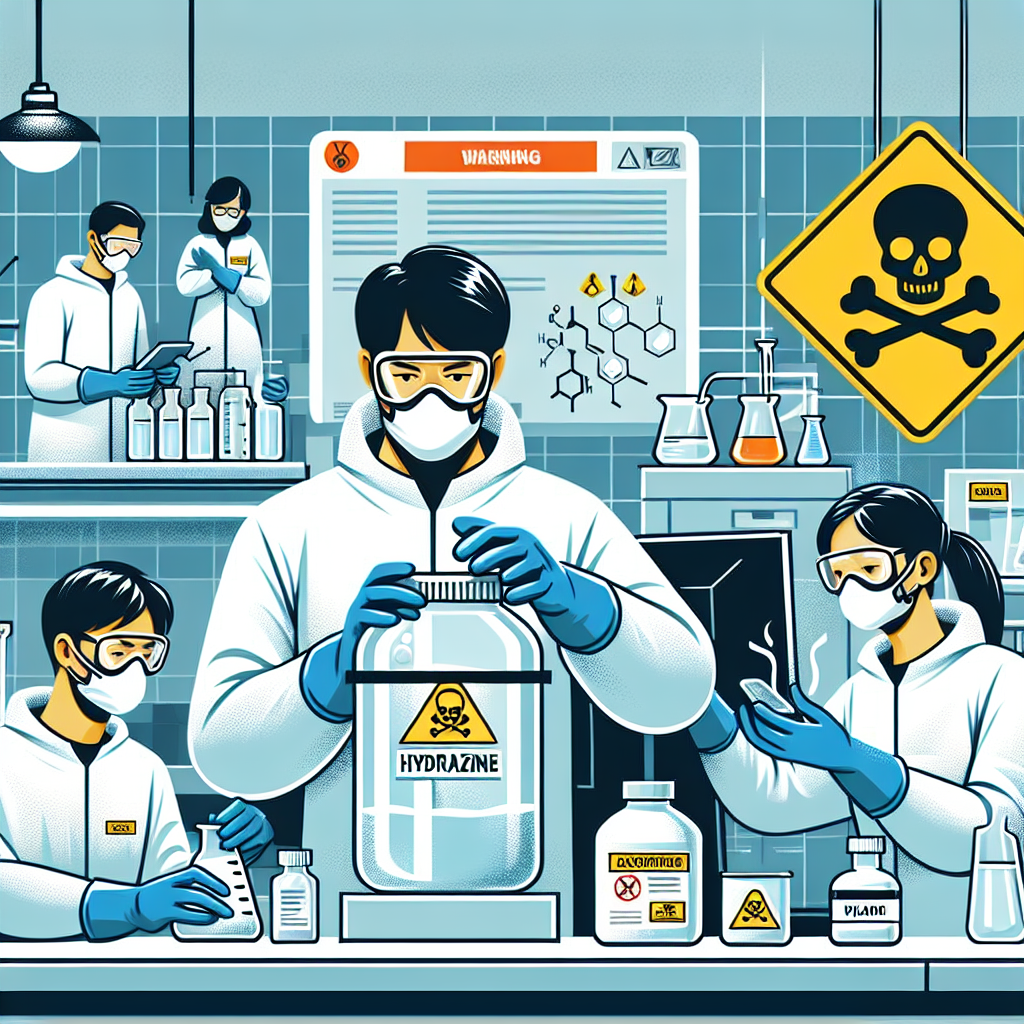
Proper PPE is essential in any environment that involves hydrazine exposure. Suitable gear includes:
– Respirators: To prevent inhalation of harmful vapors.
– Protective Clothing: Long sleeves, gloves, and chemical-resistant boots and aprons to avoid skin contact.
– Eye Protection: Safety goggles or face shields to safeguard against splashes and vapors.
Ventilation and Containment
Adequate ventilation is critical in spaces where hydrazine is used. Systems should be in place to ensure proper dispersion of fumes, reducing inhalation risks. Moreover, handling and storage areas must be equipped with spill containment measures to prevent accidental release into the environment.
Emergency Response and Medical Treatment
Understanding the immediate steps to take in the event of a hydrazine spill or exposure can mitigate health risks.
Spill Management
In case of a spill, it’s crucial to:
1. Evacuate the area to prevent exposure.
2. Utilize spill kits specifically designed for chemical hazards.
3. Alert emergency services for professional containment and cleanup.
Medical Interventions
If exposure occurs, swift medical attention is crucial. For inhalation or ingestion, seek professional medical help immediately. Meanwhile, rinsing eyes or skin with water can minimize initial damage after contact.
The Environmental Impact of Hydrazine
Hydrazine poses a threat not only to human health but also to the environment. Upon release, it can contaminate water sources and soil, impacting wildlife and ecosystems. Its strong reducing properties are harmful to aquatic organisms, leading to detrimental effects on biodiversity.
Concluding Thoughts on Hydrazine Dangers
The dangers associated with hydrazine are undeniable, and it is vital for anyone involved in its production or use to stay informed about best practices for safety. Continuous research and updated guidelines play a crucial role in mitigating risks associated with this potent compound.
For more information or to discuss concerns regarding hydrazine-related health risks, readers are encouraged to reach out through the contact page found at “/contact”. To explore more insightful articles, visit the blog page at “/blog”. For direct inquiries, do not hesitate to call using the link to “702-385-6000”.