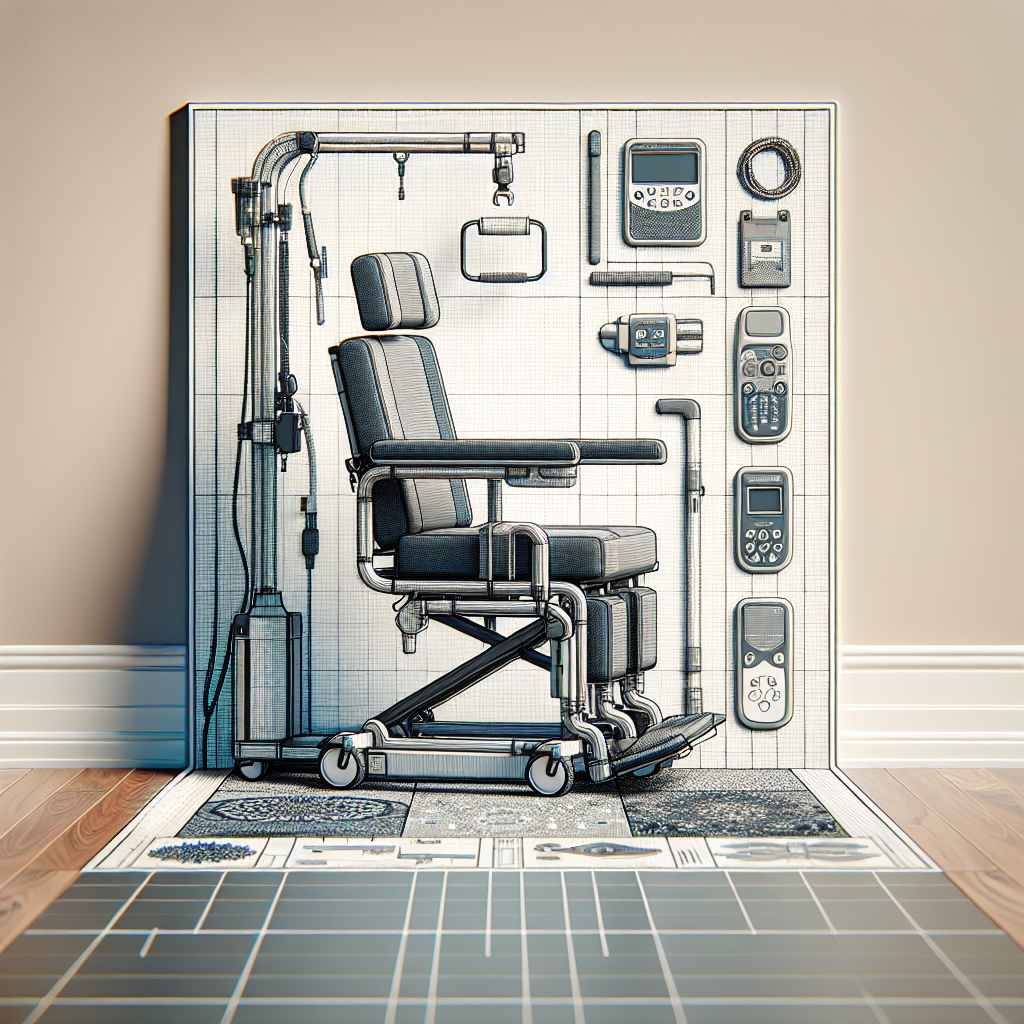
ALS Stand Aid Lift: Effortless Transfer Help Tips
An ALS stand aid lift can significantly impact the quality of life for individuals suffering from Amyotrophic Lateral Sclerosis (ALS). This degenerative neurological condition often robs people of their mobility, making everyday tasks challenging. Stand aid lifts emerge as vital tools, providing a sense of autonomy and improving the ease of transfer for both patients and caregivers.
Understanding ALS and Its Challenges
ALS, commonly known as Lou Gehrig’s disease, targets nerve cells in the brain and spinal cord. Patients gradually lose muscle control, which leads to the loss of the ability to walk, speak, eat, or even breathe unaided. For caregivers and family members, managing these daily tasks becomes incredibly demanding.
The proper equipment, like a stand aid lift, becomes indispensable. By offering transfer help, these devices ensure safer transitions that reduce physical strain and enhance comfort.
Benefits of Using an ALS Stand Aid Lift
ALS stand aid lifts provide numerous advantages:
– Enhanced Safety: Reduces fall risks and injury for patients during transfers.
– Ease of Use: Allows effortless switching from sitting to standing positions.
– Independence: Empowers users to participate more actively in their movements.
– Caregiver Relief: Minimizes physical exertion and stress for caregivers.
Stand aid lifts come in varying designs, each tailored to meet specific needs. Selecting the right model is critical for maximizing benefits and ensuring ease of use.
Choosing the Right Stand Aid Lift
When selecting a stand aid lift for ALS, consider these factors:
– Weight Capacity: Ensure the lift can support the user’s weight comfortably.
– Adjustability: Adjustable height and angle options enhance comfort for users.
– Maneuverability: Compact designs fit in smaller spaces and increase accessibility.
– Ease of Operation: Look for straightforward controls and minimal setup requirements.
Personal preferences and specific needs will determine the optimal choice. Consultation with healthcare professionals is advisable for recommendations tailored to individual circumstances.
Safe Practices for Using Stand Aid Lifts
Implementing safe practices can maximize the effectiveness of stand aid lifts:
1. Training and Familiarization
– Ensure all users and caregivers are trained in operating the device.
– Review instructional manuals and consider professional demonstrations.
2. Regular Maintenance
– Conduct routine checks on mechanical parts.
– Service lifts as per manufacturer guidelines to avoid malfunctions.
3. Clear Communication
– Establish clear communication between the caregiver and user during transfers.
– Use agreed signals to ensure coordination and comfort.
4. Optimize Environment
– Arrange furniture and remove obstacles to ensure unimpeded movement.
– Ensure the area is well-lit for visibility.
By integrating these practices, caregivers and users can foster a safer and more efficient environment.
Real-Life Impact: Success Stories
Users around the globe have shared stories of how stand aid lifts have transformed their lives:
– Increased Confidence: Many report feeling more empowered and less reliant on others.
– Improved Relationships: Caregivers experience less stress, contributing to healthier personal relationships.
– Enhanced Wellbeing: Users engage more with daily activities, boosting morale and mental health.
These glowing testimonials underscore the immense positive impact on both patients and caregivers.
Exploring Additional Resources and Support
While ALS presents significant challenges, numerous resources are available. Beyond equipment, emotional and psychological support plays a crucial role in managing ALS:
– Support Groups: Connect with others who understand the unique challenges of ALS.
– Therapeutic Services: Engage in occupational and physical therapies designed to maintain mobility as long as possible.
– Educational Workshops: Stay informed about the latest treatments and technologies.
These resources offer critical support throughout the ALS journey.
Innovations on the Horizon
Technological innovations continue to evolve, promising even more sophisticated aids in the near future. Enhanced lifts with automated features, mobile app integrations, and improved materials are just a glimpse of what’s possible.
Incorporating these advancements will further streamline the care process, providing even more relief and autonomy for those affected by ALS.
References
– Centers for Disease Control and Prevention (CDC)
– National Institute of Neurological Disorders and Stroke (NINDS)
– Johns Hopkins Medicine
Call to Action
If you or someone you know is dealing with the challenges of ALS and seeking transfer help through an ALS stand aid lift, reach out through our contact page. Explore more valuable insights and resources on our blog page. For immediate assistance, call us at 702-385-6000. We’re here to support you every step of the way.