ALS Treatments: A Closer Look at Medications and Contaminant Risks
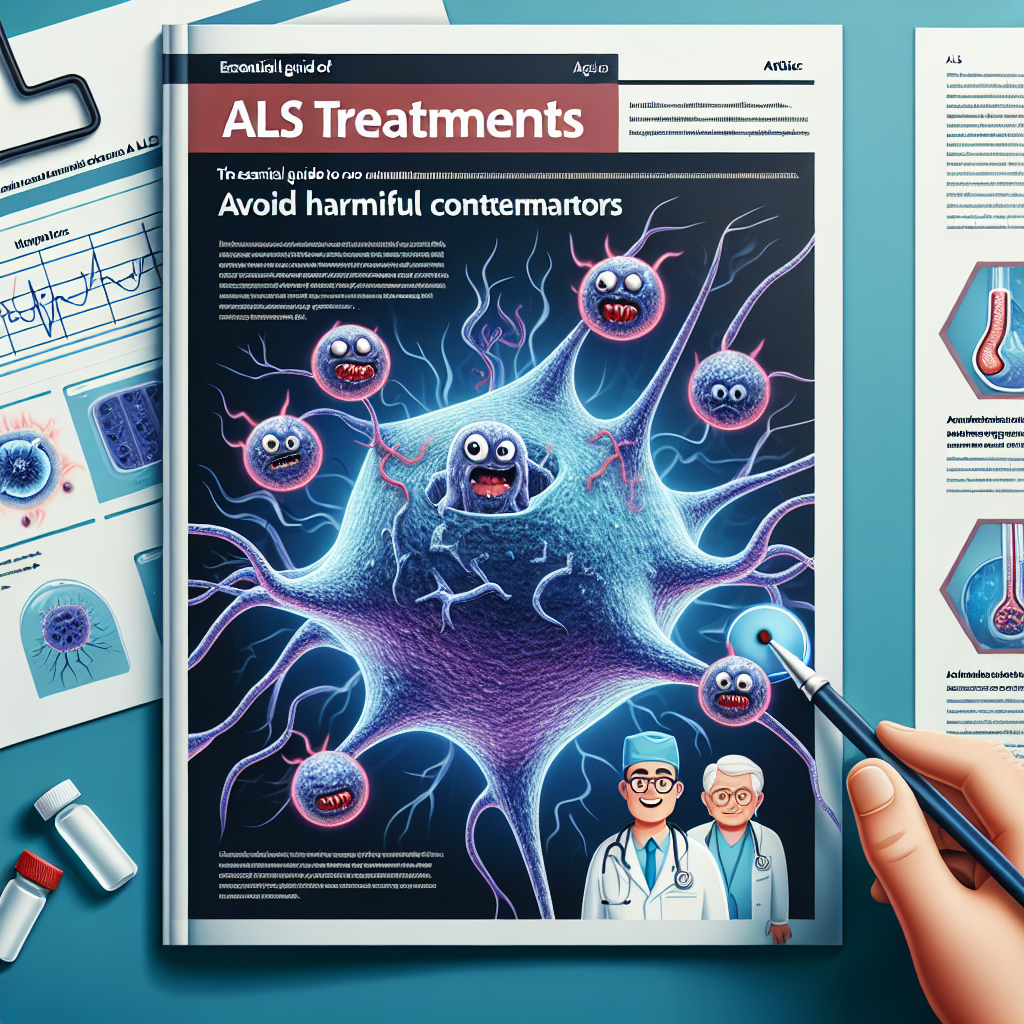
ALS treatments, also known as therapies for amyotrophic lateral sclerosis, have advanced considerably over the past few decades. However, as promising as these treatments may be, it is essential to be vigilant about potential risks associated with harmful contaminants. Making informed choices about treatment options can have a profound impact on managing the disease effectively.
Understanding Amyotrophic Lateral Sclerosis (ALS)
ALS is a progressive neurodegenerative disease that affects nerve cells in the brain and spinal cord. It leads to the weakening of muscles, impaired physical function, and eventually, loss of the ability to eat, speak, move, and breathe independently. Due to the severity of the disease, individuals often seek various treatment options to slow progression and relieve symptoms.
Exploring ALS Treatments
1. Medications for ALS
One of the most common ALS treatments involves medication. The FDA-approved drugs Riluzole and Edaravone have shown to somewhat slow the progression of the disease:
– Riluzole: This medication is believed to reduce damage to motor neurons by decreasing levels of glutamate. It has shown to extend survival or time to tracheostomy.
– Edaravone: Administered via intravenous infusion, Edaravone works as a free radical scavenger, preventing oxidative stress in nerve cells. It may slow the decline in daily functioning for individuals with ALS.
Understanding how these medications interact with each other and the body is crucial. Patients should always consult with their healthcare providers to tailor a treatment plan that best suits their needs.
2. Emerging Drug Therapies
Researchers are continually exploring new medications to enhance ALS treatments. Current studies are investigating the efficacy of various compounds in neuroprotection, muscle function preservation, and symptomatic relief. Although these medications represent hope for many, staying up-to-date with ongoing clinical trials and FDA approvals is vital for making well-informed decisions.
Avoiding Harmful Contaminants in ALS Treatments
Understanding Contamination Risks
Contaminants can be found in various products, including medications, supplements, and even drinking water. For individuals with ALS, exposure to certain harmful substances can lead to exacerbated symptoms or hinder treatment efficacy.
Contaminants of concern include:
– Heavy Metals: Lead, mercury, and arsenic can be harmful to neuronal cells and must be avoided.
– Toxins in Drinking Water: Contaminated water sources may contain harmful pathogens or chemical pollutants not detected through regular testing.
Ensuring Safe Use of Medications and Supplements
Prescribed medications and supplements should be sourced from reputable suppliers. Verifying the purity and quality of these products helps reduce the risk of contamination. This is especially significant for ALS patients, as compromised medications could affect treatment outcomes and exacerbate symptoms.
ALS Treatments and the Role of Supportive Therapies
While medications play a pivotal role in ALS treatments, supportive therapies can significantly enhance quality of life. These include:
– Physical Therapy: Customized exercises help maintain muscle strength and flexibility, alleviating pain and improving mobility.
– Speech Therapy: Assists individuals in retaining communication skills; crucial as ALS progresses.
– Nutritional Support: Ensuring patients receive essential nutrients through a balanced diet can be challenging, yet vital for maintaining overall health.
Lifestyle Adjustments for ALS Patients
In addition to medical and supportive therapies, lifestyle adjustments can aid in managing ALS:
– Regular Exercise: Carefully monitored physical activity can improve cardiovascular health and slow muscle decay.
– Adaptive Devices: Technology such as voice synthesizers, specially designed utensils, and mobility aids can significantly enhance independence.
– Emotional and Psychological Support: Mental health services, including counseling and support groups, provide essential support for both patients and caregivers.
The Need for Awareness and Advocacy
Education about ALS treatments and potential contaminant risks empowers patients and families. Advocacy for stricter regulations on product safety, access to effective medications, and funding for research can lead to substantial improvements in ALS care.
Final Thoughts
When navigating the complexities of ALS treatments, knowledge is a vital tool. Understanding available options, remaining alert to potential risks, and enlisting a robust support network are crucial steps. If you require insights specific to your situation, don’t hesitate to reach out. Learn more by visiting our contact page at “/contact”, exploring additional resources on our blog at “/blog”, or calling us directly at 702-385-6000.