ALS Workplace: Essential Accommodations for Effortless Support
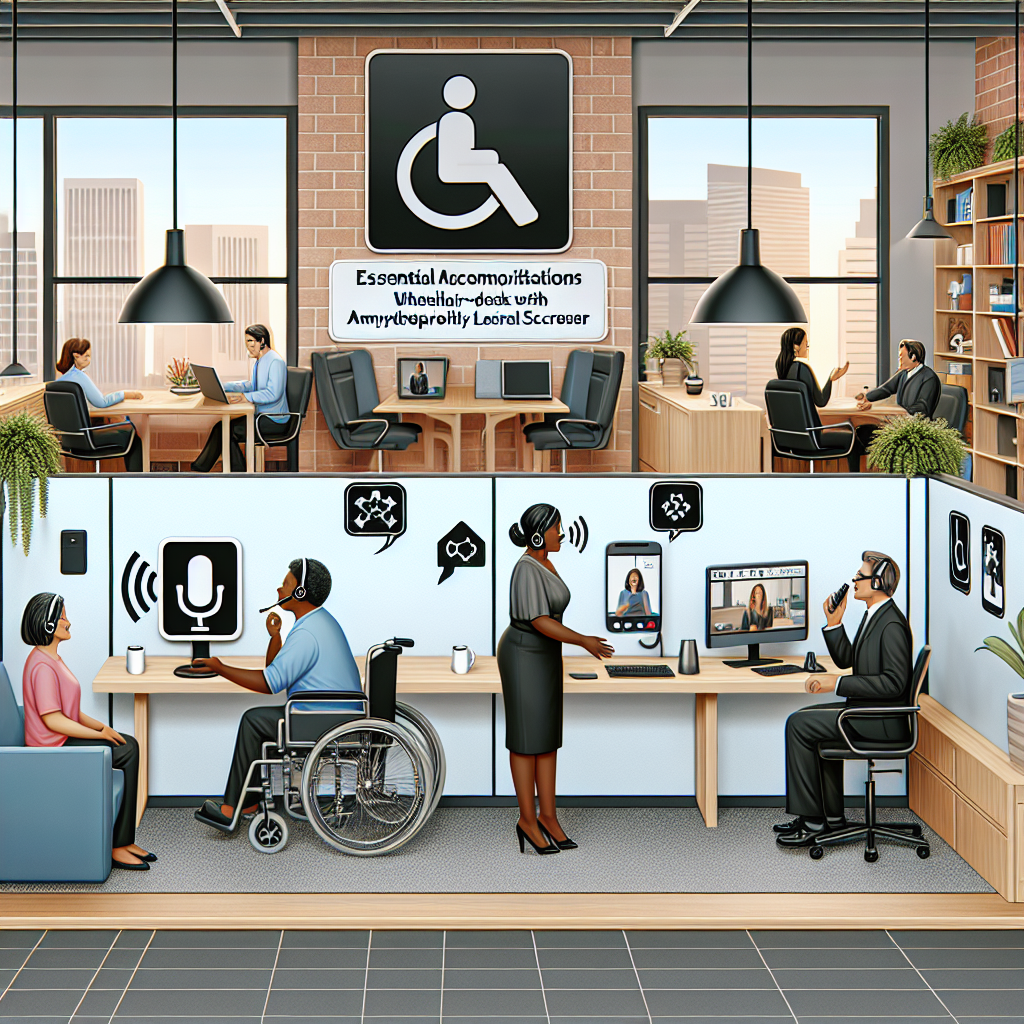
Navigating the ALS workplace involves understanding the unique needs and challenges faced by individuals living with Amyotrophic Lateral Sclerosis, a progressive neurodegenerative disease. With supportive accommodations, employees with ALS can continue to contribute meaningfully to their work environments. Providing appropriate assistance not only enhances productivity but also cultivates an inclusive and compassionate workplace culture.
Understanding ALS and the Importance of Workplace Support
ALS, also known as Lou Gehrig’s disease, affects nerve cells in the brain and spinal cord, leading to loss of muscle control. Those living with ALS may experience difficulties in movement, communication, and daily tasks. Consequently, workplace accommodations are crucial in helping them perform their roles effectively and with dignity.
Employers who are proactive in creating an accommodating environment for employees with ALS demonstrate a commitment to diversity and inclusion. By understanding ALS and its impact, they can more effectively implement strategies and solutions that address both the physical and psychological needs of affected employees.
ALS Workplace: Adaptive Equipment for Enhanced Functionality
To effectively support employees with ALS, incorporating adaptive equipment is a crucial consideration. This can range from ergonomic desks and chairs to specialized computer software that assists in communication and task management.
1. Ergonomic Furniture: Adjustable chairs, desks, and supportive seating can help reduce physical strain and improve comfort for employees who may have difficulty with mobility or experience muscle weakness.
2. Voice-Activated Software: Employees with ALS may struggle with traditional keyboard and mouse setups. Voice-activated software can enable them to perform computer-based tasks more efficiently, promoting independence and productivity.
3. Assistive Communication Devices: For individuals with speech difficulties, the use of augmentative and alternative communication (AAC) devices can be invaluable. These tools allow employees to express themselves clearly and participate actively in meetings and discussions.
Flexible Work Arrangements for ALS Employees
Offering flexible work arrangements is another essential accommodation that supports employees with ALS. Flexible hours, remote working options, and customized work commitments help accommodate fluctuating health conditions and reduce stress.
1. Remote Work Possibilities: Allowing employees to work from home or another conducive environment can significantly alleviate the physical demands of commuting and daily office life.
2. Flexible Scheduling: With ALS, symptoms and fatigue can vary daily. Providing the option to adjust working hours according to the individual’s needs ensures they can operate at their optimal capacity.
3. Job Restructuring: Tailoring job roles to maximize strengths and minimize physical demands can help employees with ALS continue to contribute effectively. Employers should focus on leveraging skills that are less affected by the disease.
Training and Sensitivity Programs: Building an Inclusive Culture
Creating an inclusive ALS workplace culture extends beyond physical arrangements; it involves educating the entire workforce through training and sensitivity programs.
1. Awareness Workshops: Conducting regular workshops that educate employees about ALS can foster empathy and understanding, thereby creating a supportive and accepting environment.
2. Sensitivity Training: Training sessions focused on disability etiquette and communication can enhance interactions between colleagues and ensure that all employees feel respected and valued.
3. Support Networks: Establishing peer support groups or mentorship programs can offer invaluable emotional and professional support to employees with ALS, promoting a sense of community and belonging.
Legal Framework and Policies: Ensuring Compliance and Fair Practices
Adhering to legal requirements is essential for offering fair and lawful accommodations in the ALS workplace. Employers should remain informed about legislation such as the Americans with Disabilities Act (ADA), which mandates reasonable accommodations for individuals with disabilities.
1. ADA Compliance: Employers must understand their obligations under the ADA, ensuring that policies and practices are aligned with the legal standards for supporting employees with disabilities.
2. Individualized Accommodation Plans: Developing personalized accommodation plans for each employee with ALS ensures that their unique needs are addressed. Regular evaluations and adjustments to these plans can help maintain their effectiveness.
3. Privacy and Confidentiality: Respecting the privacy and confidentiality of employees with ALS is crucial. Employers should handle all personal information sensitively and ensure that disclosures are made only with consent.
Encouraging Open Communication and Feedback
A key aspect of supporting employees with ALS is fostering open communication and feedback channels. Employers should encourage dialogue, enabling employees to express their needs and concerns regarding accommodations.
1. Regular Check-Ins: Scheduled discussions between employees and managers can help identify areas for improvement and ensure that accommodations remain relevant and effective.
2. Anonymous Feedback Mechanisms: Providing options for anonymous feedback can encourage employees to share honest opinions or suggest changes without fear of repercussions.
3. Collaborative Problem-Solving: Involving employees in the decision-making process regarding their accommodations empowers them and enhances their satisfaction with the implemented strategies.
Conclusion
Supporting individuals with ALS in the workplace is not only a legal obligation but a moral imperative that reflects the values of inclusivity and compassion. Employers who proactively implement accommodations and foster inclusive workplaces not only enhance the lives of their employees but also strengthen their organizations.
If you’re interested in learning more about supporting employees with ALS or need guidance on specific accommodations, reach out to us through our contact page at “/contact”. For more insightful articles, visit our blog at “/blog”. You can also call us at 702-385-6000 for personalized assistance.