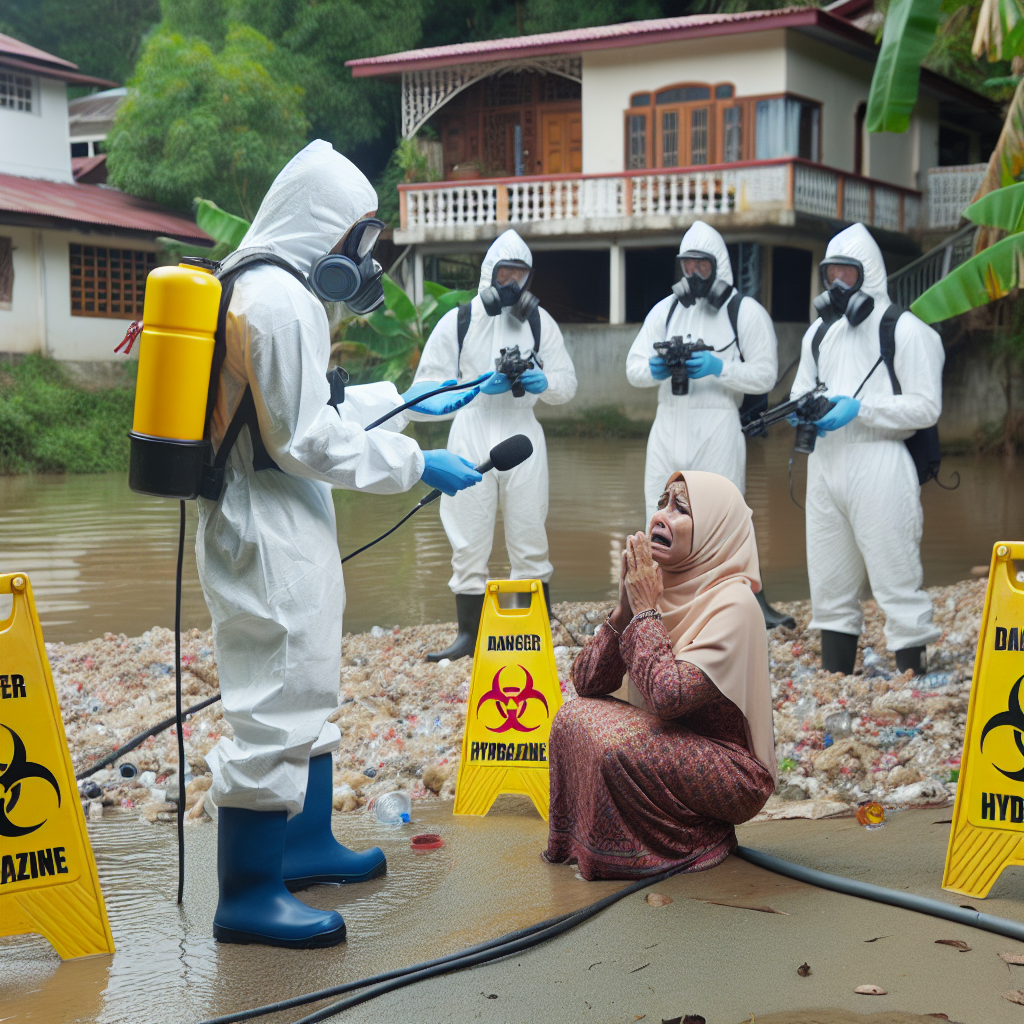
Hydrazine Dangers: Understanding the Risks and Real Water Victim Stories
Hydrazine dangers are a growing concern among consumers, particularly for those seeking healthier alternatives in their everyday lives. When Real Water, a brand marketed as a premium alkalized water, became linked to several health issues, it raised red flags about the potential toxicity associated with its contents. This article explores the underlying issues, the impact of hydrazine, and the personal stories of those affected by Real Water.
The Basics of Hydrazine
Hydrazine is a chemical compound often used in industrial applications such as rocket fuels, chemical synthesis, and even in water treatment processes. It is highly reactive and volatile, making it valuable for specific uses but hazardous when mishandled. The compound can potentially have severe impacts on human health, leading to symptoms ranging from irritation to serious long-term diseases.
The presence of hydrazine in drinking water isn’t typical. When Real Water was suggested to be connected to health issues, it spurred investigations into whether hydrazine toxicity was a contributing factor.
Exploring Hydrazine Dangers and Toxicity
The effects of hydrazine exposure can be acute or chronic. Immediate exposure might lead to symptoms like nausea, dizziness, headaches, and respiratory irritation. Long-term exposure intensifies the risks, potentially causing damage to the liver, kidneys, and central nervous system. Scientific research has consistently highlighted hydrazine as a carcinogen in animals, and while human data is limited, the risks remain significant.
When hydrazine makes its way into products like bottled water, it becomes an inadvertent threat to consumers. Products claiming to be healthier alternatives should never compromise safety, highlighting the need for stringent quality controls and thorough testing.
The Real Water Incident: A Wake-Up Call
In spring 2021, Real Water came under scrutiny following an outbreak of liver disease cases potentially linked to its consumption. Several individuals in Nevada reported acute non-viral hepatitis after drinking the product, raising alarms about its safety and contents.
– What Victims Experienced
Victims’ symptoms ranged from fatigue and jaundice to severe liver damage requiring hospitalization. Many suffered prolonged health impacts and struggled with their recovery, facing mounting medical bills and emotional distress. This incident shed light on the potential hydrazine dangers present in everyday products thought to be safe.
– The Investigations
Federal agencies and public health departments promptly responded to reports, initiating investigations to determine the cause of these illnesses. A critical angle explored was whether hydrazine or similar contaminants were responsible for the water’s negative health effects.
Laboratory tests and audits revealed multiple compliance violations with the Real Water brand, suggesting that manufacturing processes might have been compromised. The absence of rigorous safety checks potentially allowed harmful substances like hydrazine to contaminate the product.
Personal Stories: Real Water Victims Speak Out
The compelling stories of those affected by Real Water serve as a potent reminder of hydrazine dangers. Families shared their experiences publicly, aiming to caution others and seek justice.
– A Mother’s Battle
A Las Vegas mother recounted how her teenage son fell ill after regularly consuming Real Water. He exhibited symptoms such as intense fatigue and abdominal pain, eventually leading to a liver function test revealing serious issues. Despite continuous medical care, his recovery was slow and emotionally taxing for the entire family.
– A Business Owner’s Struggle
Another victim, a local business owner, described the nightmare following her hospitalization for acute hepatitis. A once vibrant entrepreneur, her life came to a standstill, facing decreased business activity coupled with medical bills piling up. Her advocacy for stricter water safety regulations became a mission rooted in deep personal loss and a desire for safer consumer products.
Hydrazine Dangers: The Broader Implications
The Real Water incident uncovers more than just a brand issue. It highlights systemic gaps in product safety standards and the dire consequences of neglect. Many safety protocols and quality checks need refinements to ensure consumer protection from hazardous chemical exposure.
– Regulatory Measures
Regulators must enforce and enhance guidelines for companies, especially those in the food and beverage sectors. Regular audits, transparent ingredient disclosures, and responsive recall processes can serve as deterrents for potential negligence, protecting public health from hydrazine dangers.
– Consumer Awareness
Consumers should stay informed about product choices and remain vigilant about reported health risks. Educating oneself on common toxic agents and their potential impacts can empower better decision-making and encourage demands for higher-quality standards.
Real Water’s Response and Moving Forward
In response to the crisis, Real Water announced recalls and expressed intentions to cooperate with investigations. However, the focus also shifted to future preventive measures. The need for improved quality control practices and open communication with consumers about product safety became clear.
Final Thoughts
Consumers shouldn’t have to question the safety of products essential to daily life. Hydrazine dangers remind us of the importance of accountability and transparency in product manufacturing and marketing. Victims of Real Water’s shortcomings bear silent witness to these truths, urging for changes that prevent further tragedies.
For those affected by the Real Water case, understanding the broader implications of hydrazine toxicity becomes crucial. If you or someone you know is dealing with the aftermath, reach out through the links on our contact page located in “/contact”. Stay informed by reading more articles on our blog page located in “/blog”. For immediate assistance, call us at “702-385-6000”.