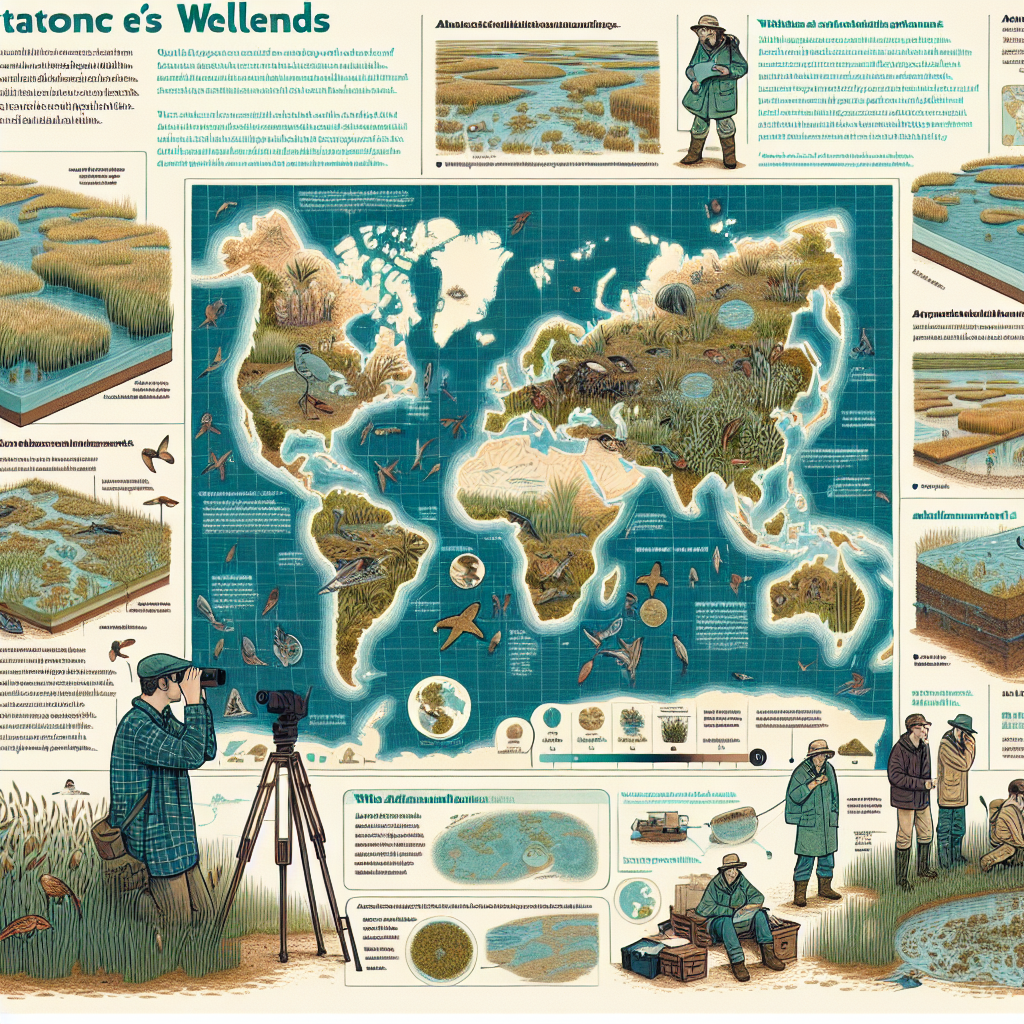
Water Bodies Wetlands: Unveiling Their Role in ALS Hotspots
Water bodies wetlands are crucial elements of our planet’s ecosystem. These vibrant areas not only support a vast array of wildlife but also play a subtle yet significant role in environments marked as ALS hotspots. Understanding how these natural landscapes affect health and ecosystems can offer valuable insights.
What Are Water Bodies Wetlands?
Water bodies wetlands are unique natural environments where water saturates the soil, either permanently or seasonally. These spaces, which include marshes, swamps, and bogs, are incredibly diverse and play significant roles in biodiversity conservation. They act as filters for pollutants, provide flood control, and serve as habitats for countless species. However, recent research suggests they may also be linked to geographic regions marked as ALS hotspots.
Water Bodies Wetlands and Their Influence on ALS Hotspots
The connection between water bodies wetlands and ALS hotspots is garnering attention. Some studies indicate that environmental factors, including those specific to wetlands, might influence the incidence of ALS. Scientists suspect that toxins, pollutants, and specific algal blooms prevalent in wetland environments could be potential catalysts.
One possible hypothesis involves blue-green algae, or cyanobacteria, which can thrive in these habitats. They produce a toxin known as BMAA, connected in some studies with neurological diseases such as ALS. Individuals living near or interacting frequently with these water-laden areas may have increased exposure risks.
Biodiversity in Wetlands and Its Link to Human Health
Wetlands are reservoirs of biological diversity. They constitute about 6% of the Earth’s surface, supporting countless species, some found nowhere else. This biodiverse environment is intertwined with human health in less direct but equally significant ways.
Researchers are looking at how changes in wetland ecosystems might alter patterns of ALS hotspots. For instance, shifts in wetland ecology, perhaps driven by climate change, might increase the prevalence of harmful algal blooms, thereby influencing disease patterns. Understanding these connections can help in designing better preventive measures for communities living near these regions.
The Role of Pollution in ALS Hotspots
The pollution in water bodies wetlands can be another significant factor contributing to ALS hotspots. Runoff from agricultural lands and urban areas often brings chemicals and heavy metals into these ecosystems. Over time, these pollutants can become concentrated and potentially contribute to the development of neurological conditions.
The presence of industrial activity can also exacerbate these conditions. Communities living near industrial zones should be vigilant and aware of water safety standards to mitigate potential exposure risks.
Protecting Water Bodies Wetlands
Protecting water bodies wetlands is an essential step in managing ALS hotspots. These areas can act as natural filters that trap pollutants before reaching broader water supplies. By preserving these ecosystems, we not only protect wildlife but also minimize risks associated with human health.
Conservation efforts can be immensely beneficial. Planting native vegetation, creating buffer zones, and implementing sustainable agricultural practices around these areas can reduce pollutant runoff and protect these vital ecosystems.
Community Involvement in Safety and Conservation
Community involvement and education are key in addressing risks associated with ALS hotspots in water bodies wetlands. Local populations should be educated about the potential dangers and encouraged to take part in wetland conservation efforts.
Public awareness campaigns, partnerships with local organizations, and engagement in citizen science can drive meaningful change. By understanding the local ecology and potential risks, communities can take proactive steps towards safeguarding their health.
Future Research and Prevention Strategies
Future research is critical in solidifying the links between water bodies wetlands and ALS hotspots. This involves interdisciplinary approaches combining ecology, neurology, and public health studies.
Promoting collaborative efforts among scientists, policymakers, and local communities can lead to innovative solutions. These solutions might include developing new diagnostic tools, designing community-based health interventions, and crafting tailored public policies aimed at reducing risks.
Conclusion: The Path Forward
Understanding the interaction between water bodies wetlands and ALS hotspots reveals a complex web of environmental and health issues that require attention and action. Comprehensive strategies, involving scientific research, conservation efforts, and community engagement, are essential to manage these potential risks effectively.
As our knowledge continues to evolve, ongoing attention to these unique ecosystems can lead to improved health outcomes for populations affected by ALS. For those seeking more information or assistance, they should consider reaching out via the contact page at “/contact”, explore related articles at the blog page located in “/blog”, or call us directly at 702-385-6000.