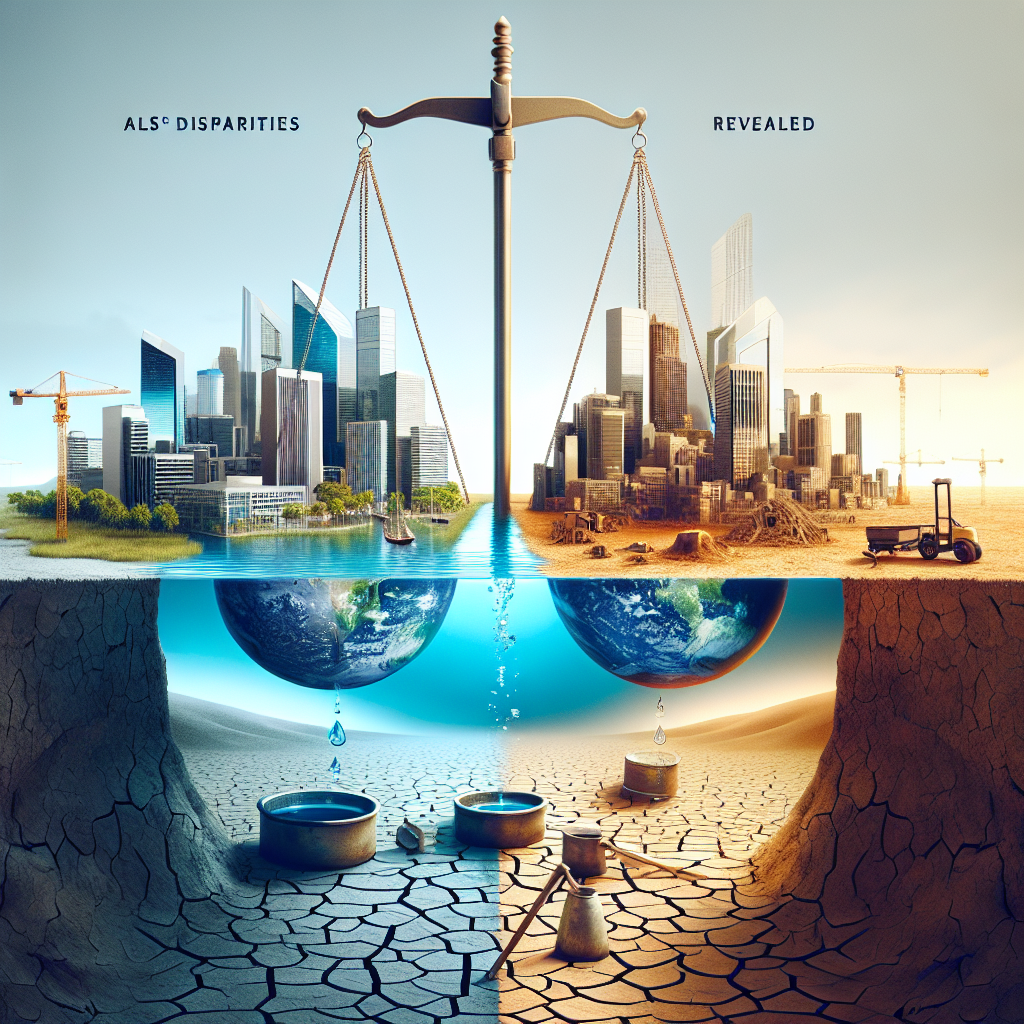
Global Water Issues: Understanding the Shocking ALS Disparities
Global water issues have long been a pressing concern for communities worldwide. While water scarcity and pollution dominate discussions, another alarming issue intertwines with global water challenges—ALS disparities. This unexpected link unravels a complex story about the health impacts of water quality on emerging diseases like Amyotrophic Lateral Sclerosis (ALS). Let’s dive into how water issues contribute to this disparity and explore solutions that can mitigate these effects.
Unveiling ALS: A Neurological Enigma
ALS, commonly known as Lou Gehrig’s disease, affects the nerves controlling voluntary muscle movements. Those suffering from ALS experience gradual paralysis, eventually leading to severe physical debilitation. Despite extensive research, the precise causes remain elusive. However, recent studies suggest a connection between ALS disparities and environmental factors, notably contaminated water sources.
Global Water Issues: A Closer Look
Water is a fundamental resource, yet its distribution and quality vary dramatically across the globe. These global water issues include scarcity, contamination, and lack of access to safe drinking water. Approximately 2.2 billion people worldwide lack access to safely managed drinking water services. This scarcity exposes many to water sources contaminated with heavy metals, pesticides, and industrial waste—substances linked to numerous health problems, including those affecting the nervous system.
The Connection Between Water Quality and ALS
Understanding the connection between water quality and ALS opens opportunities for addressing the disease’s disparities. Contaminants like heavy metals (lead, mercury, arsenic) and cyanotoxins, often present in polluted water bodies, have neurological damage potential. Several epidemiological studies indicate a higher prevalence of ALS in individuals consuming water from contaminated sources, highlighting the role of these substances in exacerbating disease onset and progression.
Geographic Disparities in ALS Incidence
The incidence of ALS varies geographically, often aligning with regions facing severe global water issues. For instance, rural areas dependent on natural water bodies or those located near industrial sites face contamination risks. In contrast, urban centers with robust water treatment infrastructure generally report fewer ALS cases. This geographical variance underscores the need for targeted interventions focusing on improving water quality.
Addressing Global Water Challenges
Efforts to combat global water issues involve improving infrastructure, promoting sustainable water management, and enhancing public health initiatives. Here are some strategies to tackle these challenges:
Improving Water Infrastructure
Upgrading water treatment facilities ensures the removal of harmful contaminants, significantly reducing ALS disparities. Governments and NGOs must prioritize infrastructure investments to guarantee safe water access, especially in vulnerable regions. These improvements can drastically cut down the pollutants affecting water systems.
Educating and Empowering Communities
Educating communities about the implications of global water issues empowers them to advocate for better water management. Community-led initiatives focusing on rainwater harvesting and water purification can alleviate the immediate pressure of water scarcity and contamination, contributing to a healthier environment overall.
The Role of Technology and Innovation
Technological innovation plays a crucial role in addressing global water issues and their consequent health impacts. Advances in filtration, desalination, and purification technologies provide promising solutions. Developing cost-effective methods for communities at risk of water contamination can change the landscape of water access.
Policy and International Cooperation
International cooperation is pivotal in resolving these significant water challenges. Policies aimed at enforcing environmental regulations and promoting sustainable practices can help safeguard water resources. Collaborative efforts between countries can lead to the sharing of technology and knowledge, bridging the gap created by disparities in water quality and access.
Conclusion: A Call to Action
Addressing global water issues remains vital to unraveling the complexities of ALS disparities. The intricate link between contaminated water and neurological diseases underscores a broader need for sustainable water management practices worldwide. With concerted efforts from governments, organizations, and individuals, it is possible to diminish these disparities, paving the way for a future where clean water is a reality for all.
If you or a loved one is dealing with ALS potentially linked to water quality, we encourage you to reach out for support and information. Contact us through our contact page at “/contact”. Explore more articles on this topic on our blog at “/blog”. For immediate assistance, please call 702-385-6000.