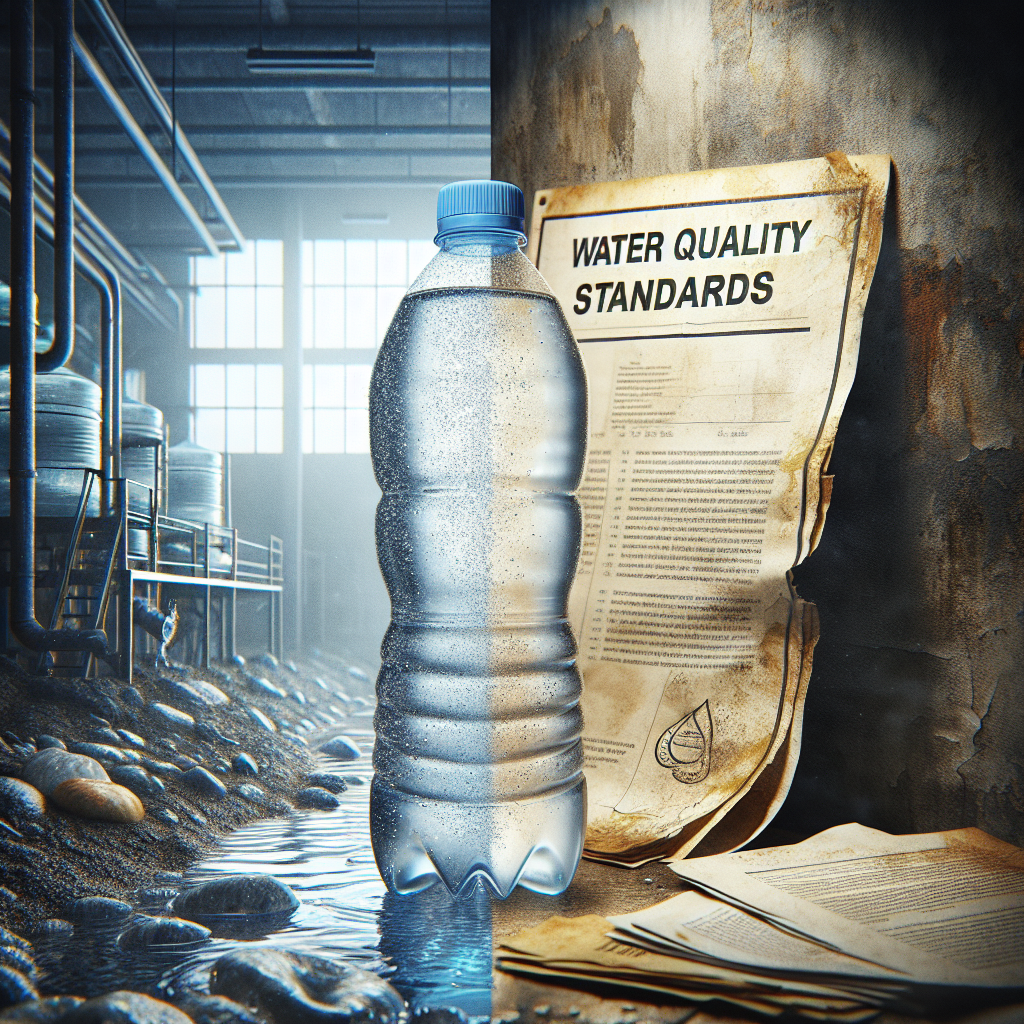
Bottled Water Regulations: Exposing the Shocking Neglect
Bottled water regulations are essential to ensuring the safety and quality of a product millions consume daily. However, the shocking neglect in these regulations can lead to serious consequences for both consumers and the industry. Understanding these gaps could be the key to not only improving safety standards but also protecting public health.
The Prominence of Bottled Water
Over the past few decades, bottled water has become a convenient staple for those seeking a portable and safe hydration option. Its popularity has surged, with people often opting for it over tap water due to perceived purity and taste. However, what many consumers don’t realize is that the regulations governing bottled water can differ significantly from those that apply to tap water, leading to potential safety concerns.
Regulatory Framework of Bottled Water
The oversight of bottled water in many countries falls to regulatory agencies such as the Food and Drug Administration (FDA) in the United States. Unlike tap water, regulated by the Environmental Protection Agency (EPA) under strict standards, bottled water falls under the FDA’s jurisdiction, which has its own set of rules.
This fundamental difference can create gaps in oversight and enforcement. The FDA’s regulations are often less stringent than those of the EPA, allowing bottled water to be marketed without meeting the same rigorous safety standards. This discrepancy in bottled water regulations is alarming to many consumer advocacy groups and public health experts.
Bottled Water Regulations: Identifying the Gaps
1. Testing and Reporting Differences
One of the most significant areas where gaps exist is in the frequency and transparency of testing. Tap water suppliers are required to test their water regularly and report any violations to both regulatory agencies and the public. Consumers have immediate access to information about their tap water’s safety.
Bottled water producers, on the other hand, are often required to test less frequently. Additionally, they are not always obligated to disclose the results publicly. Without mandatory transparency, consumers may unknowingly be drinking water with contaminants.
2. Source and Treatment Disclosure
Bottled water labels can be misleading, with terms like “spring water” or “purified water” that require careful decoding. Unlike municipal water systems, which must disclose source and treatment processes, bottled water companies are not always required to reveal this information. This lack of disclosure can prevent consumers from making informed choices about the water they consume.
3. Regulatory Oversight and Inspection Frequencies
While municipal systems are subject to frequent inspections, the FDA conducts fewer inspections of bottled water facilities. Limited oversight increases the risk of slip-ups in quality control and may lead to contaminated products reaching market shelves. The lack of stringent oversight is a glaring example of how gaps in bottled water regulations can jeopardize public health.
4. Handling and Storage Requirements
Although often assumed to be pristine, bottled water can undergo changes from production to consumption due to inadequate handling and storage guidelines. Differences in temperature and exposure can affect water quality. Without comprehensive regulations covering the entire supply chain, there is a potential for the bottled water to become a source of concern rather than a safe alternative.
5. Labeling and Marketing Practices
Misleading marketing can exacerbate the problem by promoting bottled water as inherently cleaner or healthier than tap water, despite potential regulatory gaps. Labels are not always required to list all detected contaminants, contributing to the myth of superiority over regulated tap water.
Consequences of Regulatory Lapses
These regulatory lapses can lead to serious health consequences. Contaminants such as bacteria, heavy metals, and other harmful substances can slip through the cracks, posing risks to consumers. People with compromised immune systems, children, and the elderly are particularly vulnerable to health issues from such contaminants.
Consumers may also develop a false sense of security, believing that bottled water is always safe and superior. This perception is due in part to aggressive marketing rather than factual comparisons. Addressing these misconceptions and tightening regulations is critical for ensuring the public’s trust and health.
Advocating for Stronger Regulations
In light of these gaps, there is a pressing need for reforms in bottled water regulations. Advocacy efforts should focus on increasing transparency, improving testing methodologies, and aligning bottled water standards more closely with those of tap water. International cooperation and stronger local regulations could hold companies accountable and ensure consistent product safety.
Policymakers must prioritize closing these regulatory gaps to protect consumers. Public health organizations and consumer advocates play a crucial role in demanding greater transparency and accountability from bottled water producers. By holding companies to higher standards, the goal of providing safe and clean bottled water can be achieved.
Taking Action: What Consumers Can Do
While regulatory changes are necessary, consumers can also take proactive steps to make informed decisions about bottled water. Researching brands, checking for third-party certifications, and seeking out companies that publish their testing results can all contribute to healthier choices.
Investing in a good home filtration system can also provide improved control over water quality. By staying informed and questioning marketing claims, consumers can contribute to a larger movement demanding safer bottled water.
Conclusion
The shocking neglect in bottled water regulations exposes consumers to unnecessary risks. A critical review and overhaul of current standards are vital to ensuring public health and restoring trust in bottled water products. To address concerns about ALS and Real Water or if additional information is needed, visit our contact page, explore more articles on our blog, or call us at 702-385-6000.