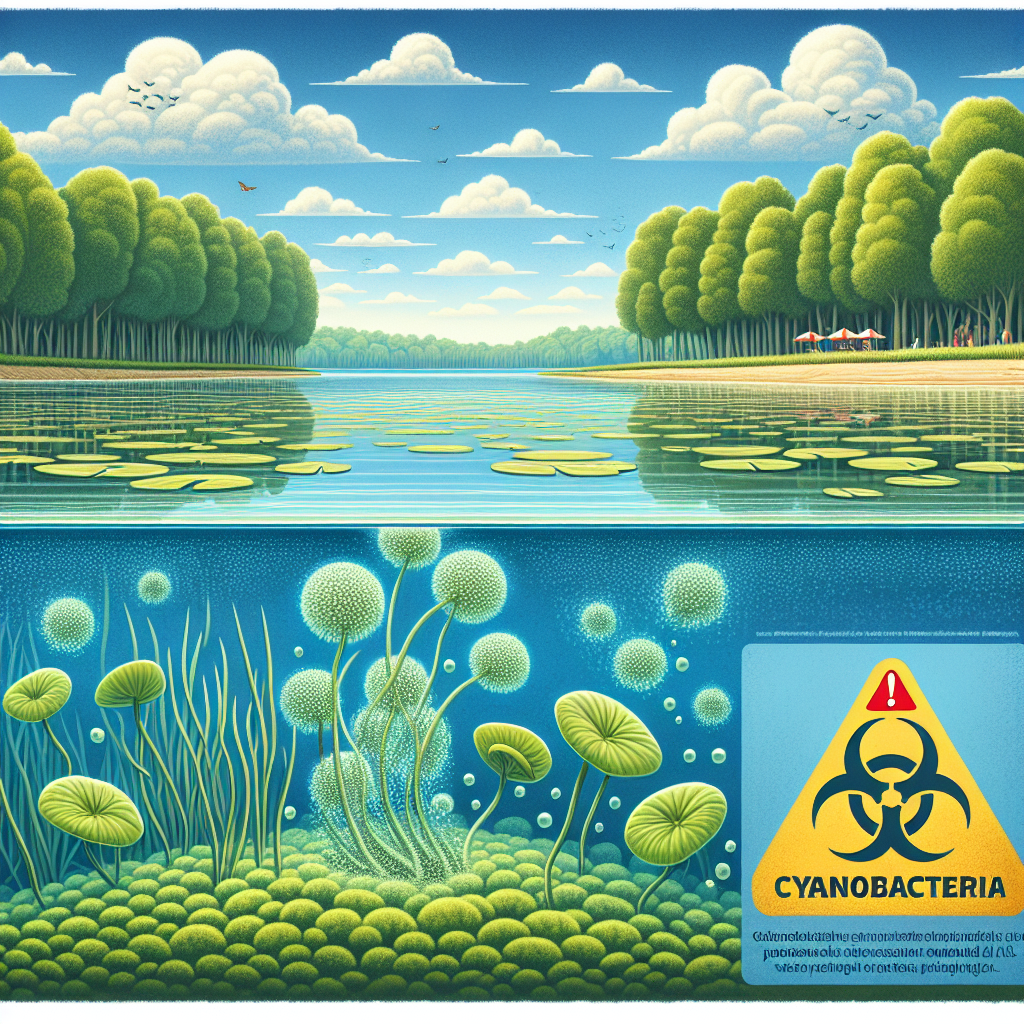
Title: Understanding the Real Water Warning: Cyanobacteria Linked to Potential ALS Risk
Cyanobacteria, commonly known as blue-green algae, have recently made headlines due to their association with Real Water products and the potential risk of ALS (Amyotrophic Lateral Sclerosis). As concerns grow over the safety of consuming alkaline water and the impacts of cyanotoxins on human health, it’s crucial to address the myths surrounding alkaline water and the real dangers posed by cyanobacteria contamination.
The Truth Behind Alkaline Water Myths
Alkaline water has been marketed as a health elixir, promising numerous benefits such as improved hydration, detoxification, and even cancer prevention. However, the reality is that many of these claims are not backed by scientific evidence. While alkaline water can slightly affect the body’s pH levels, our bodies have a natural buffering system to maintain the optimal pH balance. There is no conclusive research to support the exaggerated health claims associated with alkaline water consumption.
Identifying the Real Water Contamination Issue
Real Water, a popular brand of alkaline water, came under scrutiny after reports of individuals experiencing symptoms like nausea, vomiting, and liver failure following its consumption. Investigations revealed that the source of the contamination was cyanobacteria, specifically a toxin called microcystin produced by harmful algal blooms. Exposure to cyanotoxins can have serious health consequences, ranging from gastrointestinal issues to neurodegenerative disorders like ALS.
Understanding the Link Between Cyanobacteria and ALS
Recent studies have suggested a potential connection between cyanotoxins and the development of ALS. Cyanobacteria produce a neurotoxin known as BMAA (β-N-Methylamino-L-alanine), which has been implicated in the onset of neurodegenerative diseases like ALS. While more research is needed to establish a definitive link, the presence of cyanobacteria in water sources raises significant concerns about the long-term health effects of cyanotoxin exposure.
Protecting Yourself from Cyanobacteria Contamination
To safeguard against cyanobacteria contamination, it’s essential to be vigilant about the water sources you consume. Check for any advisories or warnings regarding water quality in your area, especially during warmer months when algal blooms are more prevalent. Investing in a quality water filtration system can help remove contaminants, including cyanotoxins, from your drinking water. Additionally, stay informed about the potential risks associated with specific brands of alkaline water like Real Water and choose reputable sources for your hydration needs.
Seeking Legal Guidance in Cases of Contamination
If you or a loved one have experienced health issues due to cyanobacteria contamination from products like Real Water, it’s crucial to seek legal advice. The team at Kemp Jones Law Offices specializes in handling complex cases involving environmental toxins and consumer safety. Contact us today through the form on our contact page to schedule a consultation and explore your legal options.
In conclusion, the Real Water warning serves as a reminder of the hidden dangers posed by cyanobacteria contamination and the importance of scrutinizing health claims associated with alkaline water. By staying informed, taking proactive steps to protect your health, and seeking legal guidance when needed, you can navigate the complex landscape of water safety and consumer rights effectively.