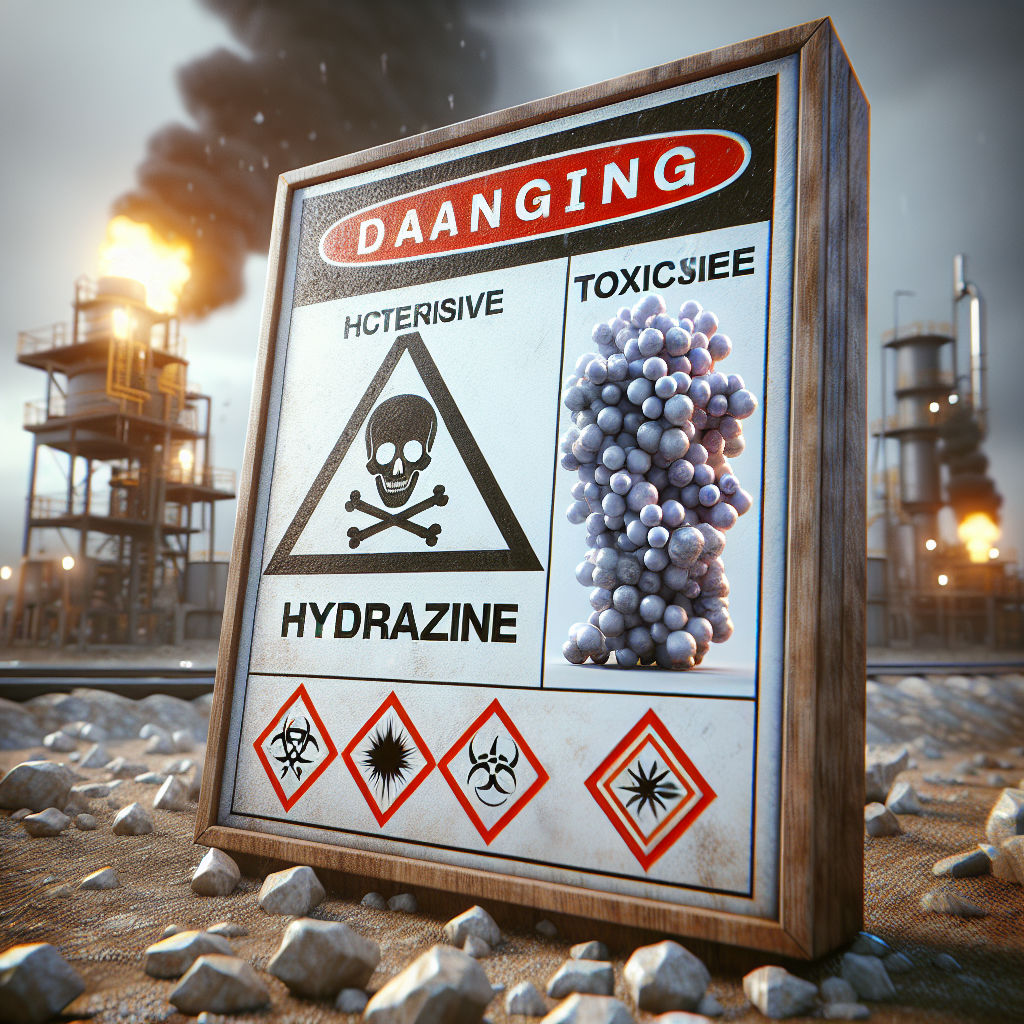
Understanding the Hydrazine Dangers: A Cautionary Tale
Hydrazine dangers are not widely known, yet the risks associated with this chemical are significant. Found in industrial settings, research labs, and even beyond, hydrazine is a colorless, flammable liquid with an ammonia-like odor. As its uses expand, understanding its dangers becomes essential for ensuring health and safety. Here, we will delve into the alarming toxicity risks associated with hydrazine, exploring its impacts, regulations, and protective measures.
What is Hydrazine?
Used primarily in rocket fuels, missiles, and as a precursor in the synthesis of various pharmaceuticals and agricultural products, hydrazine is a versatile chemical. Its reactivity and efficiency make it valuable in diverse fields, including water treatment and corrosion prevention in boilers.
Hydrazine Dangers: A Closer Look
The alarming truth lies in hydrazine’s potential hazards. Exposure can occur through inhalation, ingestion, or skin contact. Short-term exposure may lead to irritation of the eyes, nose, throat, and skin. Long-term exposure presents more severe risks, including damage to the liver, kidneys, and central nervous system.
The Toxicity of Hydrazine: Health Impacts
Hydrazine toxicity is a major concern due to its various health implications:
1. Acute Toxicity:
– Short-term exposure can cause skin burns, eye damage, and respiratory distress.
– Inhalation may lead to coughing, dizziness, and shortness of breath.
2. Chronic Toxicity:
– Prolonged exposure heightens the risk of more serious conditions, such as organ damage and cancer.
– It has been classified as a possible human carcinogen by the Environmental Protection Agency (EPA).
3. Neurological Effects:
– Extended exposure can impair cognitive function, leading to headaches, tremors, and convulsions.
Understanding these impacts emphasizes the importance of regulated exposure and protective measures.
Regulatory Standards and Safety Guidelines
Regulations are crucial to minimizing hydrazine dangers. Both national and international bodies have established guidelines for its handling:
– The Occupational Safety and Health Administration (OSHA) sets permissible exposure limits to safeguard workers.
– The European Union imposes strict classifications and labeling practices to inform about potential risks.
Adhering to these regulations and fostering widespread awareness are critical in mitigating toxicity risks.
Safety Precautions in Handling Hydrazine
Implementing comprehensive safety protocols is vital in managing hydrazine’s hazards:
1. Personal Protective Equipment (PPE):
– Workers must use gloves, goggles, and respirators to prevent exposure.
2. Engineering Controls:
– Employing proper ventilation systems and containment measures controls airborne concentrations.
3. Training and Emergency Procedures:
– Regular training programs ensure workers understand risks and respond effectively to spills or exposure incidents.
Environmental Impact of Hydrazine
Beyond human health, hydrazine poses ecological concerns. It can enter water systems from industrial discharges, affecting aquatic life due to its high toxicity. This necessitates careful waste management and pollution prevention strategies to protect ecosystems.
Innovative Solutions to Mitigate Risks
Research and innovation play roles in reducing the dangers associated with hydrazine:
1. Alternative Chemicals:
– Developing safer substitutes can minimize reliance on hydrazine.
2. Advanced Detection Technologies:
– New methods for early detection can prevent exposure and accidental releases.
By prioritizing these initiatives, industries can contribute to safer and more sustainable practices.
The Future of Hydrazine Management
As the understanding of hydrazine dangers expands, ongoing research is essential for evolving strategies to manage its risks:
– Advancing knowledge about safe handling practices remains a priority.
– Collaborating globally to harmonize regulations and safety standards ensures consistent protection measures.
With the integration of these efforts, industries can foster environments where safety supersedes risk.
Awareness and Advocacy
Educating the public and workers about hydrazine’s potential hazards lays the groundwork for proactive health and safety measures. Creating informative content and engaging with communities empowers individuals to make informed decisions.
In conclusion, while hydrazine offers valuable applications, it is imperative to recognize and address the substantial dangers it presents. Through stringent regulations, effective safety protocols, and innovative solutions, the risks can be effectively managed. To remain informed and take necessary precautions, reach out regarding your ALS and Real Water case by visiting our contact page, read more engaging articles on our blog page, or call us directly at 702-385-6000.