ALS Workplace: Must-Have Solutions for Effective Accommodations
When considering ALS workplace needs, it’s crucial to provide supportive accommodations to foster an inclusive, productive environment. Amyotrophic Lateral Sclerosis (ALS), a neurodegenerative disease, affects mobility, speech, and daily functions. Understanding how to accommodate employees with ALS can help ensure they thrive and contribute positively to any organization.
Understanding ALS in the Workplace
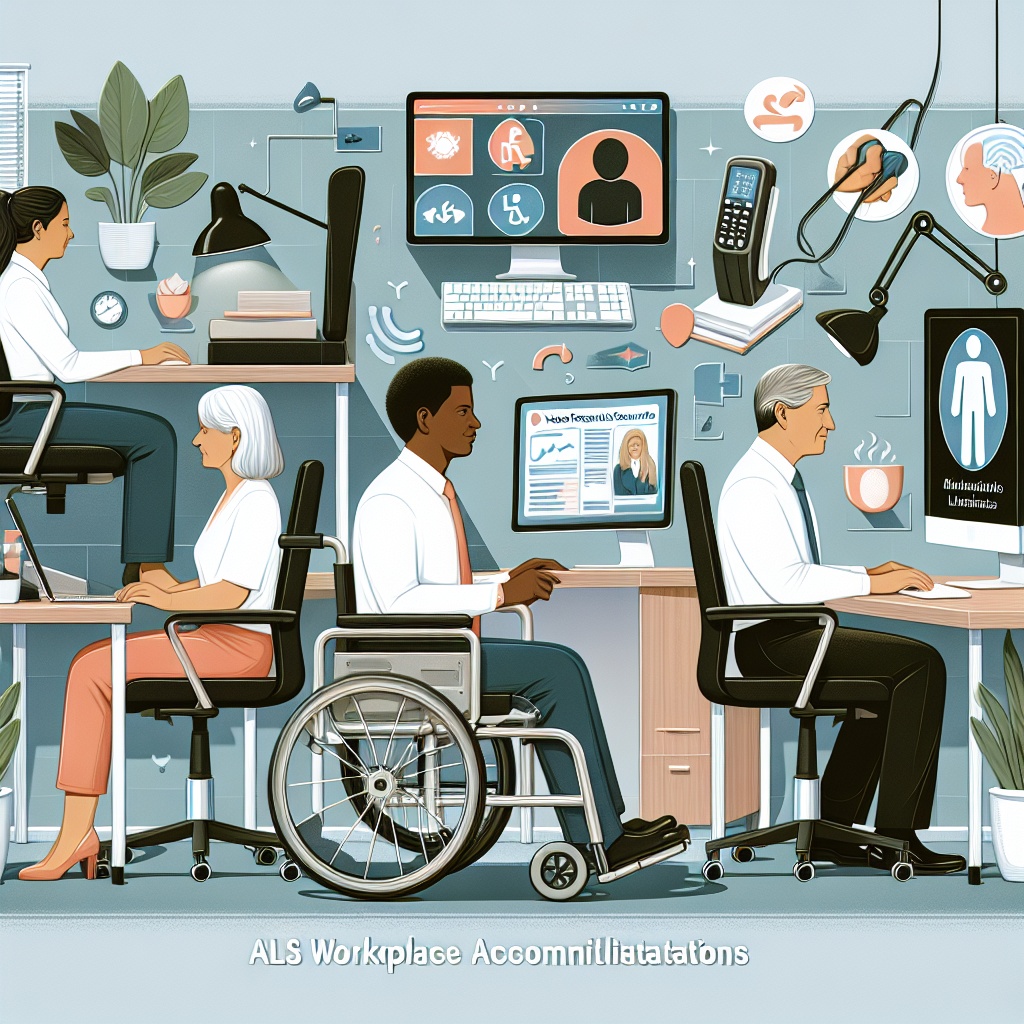
ALS is a condition that progressively impacts the nervous system, leading to muscle weakness and difficulty in various bodily functions. An employee diagnosed with ALS will experience different challenges. Providing the right accommodations not only supports the employee but also aligns with legal obligations under the Americans with Disabilities Act (ADA).
Why Accommodations Matter
– Promotes Inclusivity: Catering to ALS workplace needs promotes a culture of inclusivity and respect.
– Enhances Productivity: When employees are comfortable and supported, their productivity can improve remarkably.
– Legal Compliance: Ensuring compliance with ADA and similar regulations is essential for legal protection and ethical responsibility.
Key ALS Workplace Accommodations
1. Ergonomic Adjustments
Ergonomic solutions are vital for employees with ALS as they often face muscle weakness and mobility challenges.
– Adjustable Chairs and Desks: These can be tailored to the individual’s needs, helping to maintain comfort and efficiency.
– Specialized Keyboards and Mice: Modified equipment reduces strain and supports those with limited hand mobility.
– Voice-Activated Software: Allows employees to operate computers hands-free, increasing accessibility.
2. Flexibility and Remote Work
Offering flexible work arrangements can alleviate some of the stress associated with commuting and rigid schedules.
– Telecommuting Options: Enable employees to work from home, reducing physical exertion.
– Flexible Hours: Allow staff to work during their most productive periods, accommodating personal energy levels.
3. Physical Accessibility
Ensure that workplace environments are accessible for individuals using mobility aids.
– Wider Doorways and Hallways: Facilitate better movement throughout the office.
– Accessible Restrooms: Equipped with grab bars and space for maneuvering wheelchairs.
– Designated Parking Spaces: Closer to building entries, aiding convenience and safety.
Technological Support
Adopting assistive technologies can significantly enhance workplace inclusivity for individuals with ALS.
Adaptive Communication Devices
Speech difficulties are common due to ALS. Providing devices that assist with communication is vital.
– Text-to-Speech Apps: Help convert written text into spoken words, aiding communication.
– Integrated Communication Boards: Facilitate easier and faster interaction with colleagues.
Digital Workflow Enhancements
– Project Management Tools: Keep track of tasks and deadlines without physical paperwork.
– Collaboration Software: Platforms like Slack or Microsoft Teams allow seamless interaction and file sharing.
Emotional and Social Support
Creating a supportive work culture extends beyond physical and technological solutions.
Fostering Understanding and Empathy
– Training Sessions: Educate staff about ALS, fostering empathy and understanding.
– Mentorship Programs: Pair ALS-diagnosed employees with supportive colleagues, providing a network of assistance.
Wellness Programs
Encourage participation in wellness programs that promote a balanced lifestyle and mental well-being.
– Counseling Services: Provide access to professional mental health support.
– Health and Exercise Programs: Tailored fitness plans catering to specific physical abilities.
Building a Supportive Culture
Creating a workplace that embraces diversity and inclusivity can make a substantial difference in the lives of employees with ALS.
Inclusive Policies
– Establish policies that clearly communicate the company’s commitment to supporting employees with ALS.
– Regularly review and update these policies to reflect current best practices and legal requirements.
Open Communication
– Encourage open dialogues about needs and preferences related to accommodations.
– Create channels for feedback to continuously improve the accessibility and inclusivity of the workplace environment.
Conclusion
Accommodating ALS in the workplace requires a comprehensive approach that combines ergonomic, technological, and emotional support. By understanding and implementing these essential solutions, employers can create an environment that empowers all employees, ensuring that everyone has the opportunity to succeed.
For assistance and more information, feel free to reach out through our contact page about your ALS and Real Water case. Explore more insights on our blog page, or call 702-385-6000 for immediate assistance.
References
– Workplace Accommodations for People with ALS
– ADA National Network: Introduction to the Americans with Disabilities Act
– Job Accommodation Network: Accommodation and Compliance: ALS