Neurotoxic Agents Water: Shocking ALS Health Risks
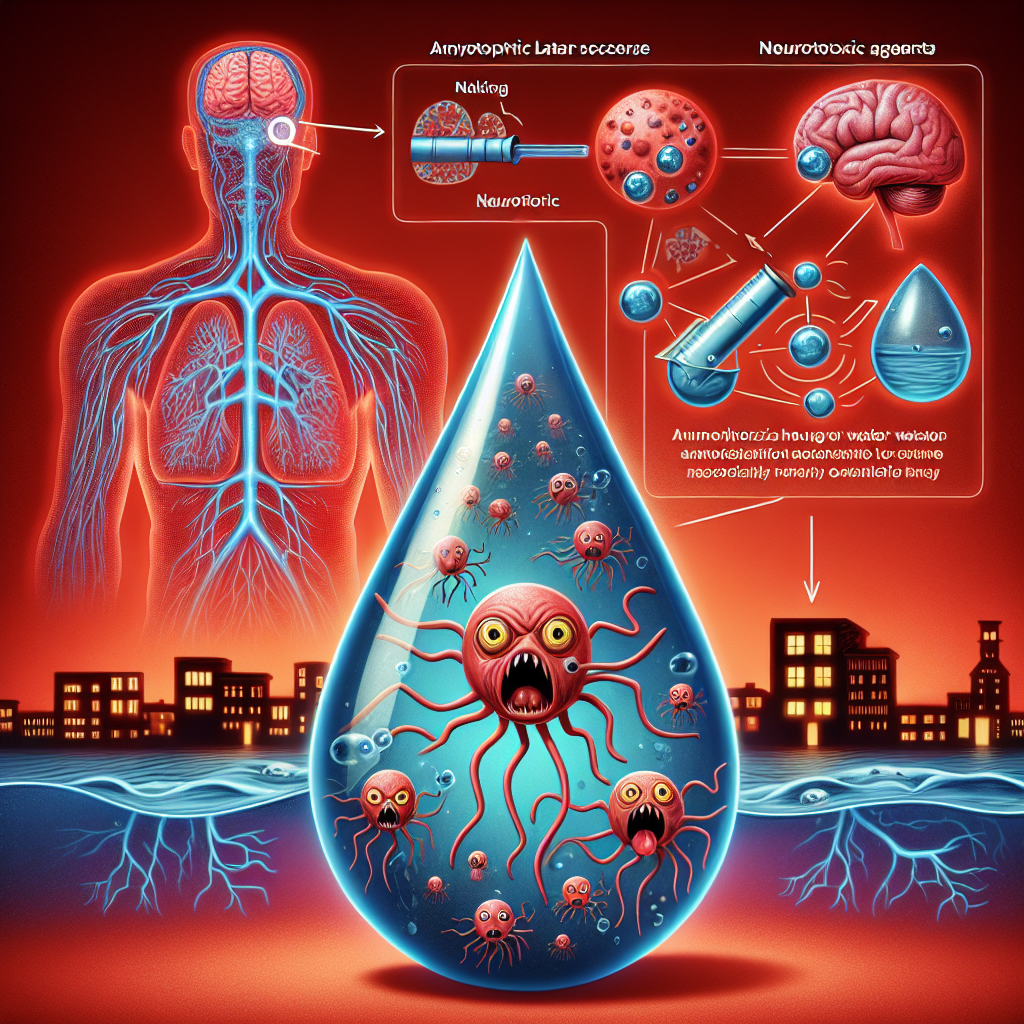
Neurotoxic agents in water have become a serious concern in recent years, particularly due to their potential connection to debilitating diseases like Amyotrophic Lateral Sclerosis (ALS). Understanding how these harmful substances enter our water supply and their impact on health is crucial to protecting communities and ensuring safe drinking water for all.
The Growing Concern Over Neurotoxic Agents in Water
Water pollution is not a new issue; however, the focus on neurotoxic agents and their specific health impacts is gaining momentum. These harmful chemicals can originate from various sources, including industrial waste, agricultural runoff, and even household products. When these contaminants enter our water systems, they can pose serious health risks, particularly to the brain and nervous system.
Research into the connection between neurotoxic agents in water and conditions like ALS is ongoing, but early findings suggest a worrying trend. ALS, often referred to as Lou Gehrig’s disease, is a progressive neurodegenerative disease that affects nerve cells in the brain and spinal cord. Understanding the environmental factors that may contribute to this condition is imperative for prevention and treatment strategies.
Understanding Neurotoxic Agents
Neurotoxic agents are substances that can cause adverse effects on the nervous system. They interfere with the normal function of neurons, leading to a range of health issues. In the context of water pollution, these agents can include heavy metals such as lead and mercury, as well as pesticides and industrial chemicals.
Common Sources of Neurotoxic Agents in Water
1. Industrial Discharge: Factories and manufacturing plants often release harmful chemicals into nearby water bodies. These substances can include solvents, metals, and other toxic byproducts of industrial processes.
2. Agricultural Runoff: The use of pesticides and fertilizers in farming introduces neurotoxic agents to groundwater. These chemicals can seep into water supplies, affecting both surface and underground water sources.
3. Urban Activities: Urban runoff from roads and pavements can introduce neurotoxic compounds like lead and cadmium into water systems. Improper disposal of household chemicals also contributes to contamination.
4. Natural Sources: Some neurotoxic agents, like certain minerals and algae, naturally occur in the environment. However, their concentrations can be exacerbated by human activities, leading to increased exposure.
The Connection Between Neurotoxic Agents in Water and ALS
ALS is a devastating disease with an uncertain cause. While genetic factors play a role in some cases, environmental factors, including exposure to neurotoxic agents, are believed to significantly contribute to the disorder.
How Neurotoxic Agents Affect the Nervous System
These harmful substances can enter the body through contaminated drinking water, affecting the nervous system in various ways:
– Damage to Neurons: Neurotoxic agents can cause nerve cells to degenerate, leading to the kinds of neurological symptoms seen in ALS patients.
– Oxidative Stress: These agents can induce oxidative stress, which damages cells and tissues in the brain and spinal cord, exacerbating neurodegenerative processes.
– Genetic Mutations: Continuous exposure to neurotoxic chemicals may lead to mutations in genes responsible for nerve cell repair and maintenance, furthering the risk of developing ALS.
Scientific Studies and Findings
While more research is needed to definitively link neurotoxic agents in water to ALS, several studies have suggested correlations. For example, regions with higher incidences of ALS often have a history of industrial pollution or high agricultural activity, pointing to a possible environmental influence on disease prevalence.
Mitigating the Risks of Neurotoxic Agents in Water
Given the potential health risks, it is essential to take proactive measures to mitigate the presence of neurotoxic agents in water supplies.
Public Policy and Regulations
Governments play a critical role by implementing stricter regulations on industrial discharge and agricultural practices. The establishment of safe limits for neurotoxic chemicals in water and regular monitoring of water quality are necessary steps to protect public health.
Community Involvement and Education
Raising awareness about the sources and dangers of neurotoxic agents in water can empower communities to push for better regulations and engage in practices that reduce contamination. Educational programs can inform individuals about safe disposal of household chemicals and the importance of using alternatives to harmful pesticides and fertilizers.
Personal Precautions and Solutions
On an individual level, using water filtration systems that are designed to remove specific neurotoxic agents can help reduce exposure. Staying informed about local water quality reports and advocating for transparency in water quality testing can also protect personal and community health.
Conclusion
The presence of neurotoxic agents in water poses a real threat to public health, potentially contributing to serious conditions such as ALS. By understanding the sources of these contaminants and advocating for stronger regulatory measures, we can work towards a safer environment for all.
For those concerned about ALS and the potential role of neurotoxic agents in water, reaching out to experts or legal resources can provide guidance. To discuss your ALS and Real Water case, visit our contact page at “/contact”. Explore more articles like this one on our blog at “/blog”. For direct assistance, call us at “702-385-6000”.