ALS Feeding Tube: Must-Have Options for Best Choice
A diagnosis of Amyotrophic Lateral Sclerosis (ALS) often brings about a host of decisions regarding medical care and lifestyle adjustments. One crucial aspect involves the ALS feeding tube, which is considered when swallowing becomes difficult. Choosing the right option requires understanding various factors to ensure comfort and nutritional adequacy.
Understanding ALS and the Need for a Feeding Tube
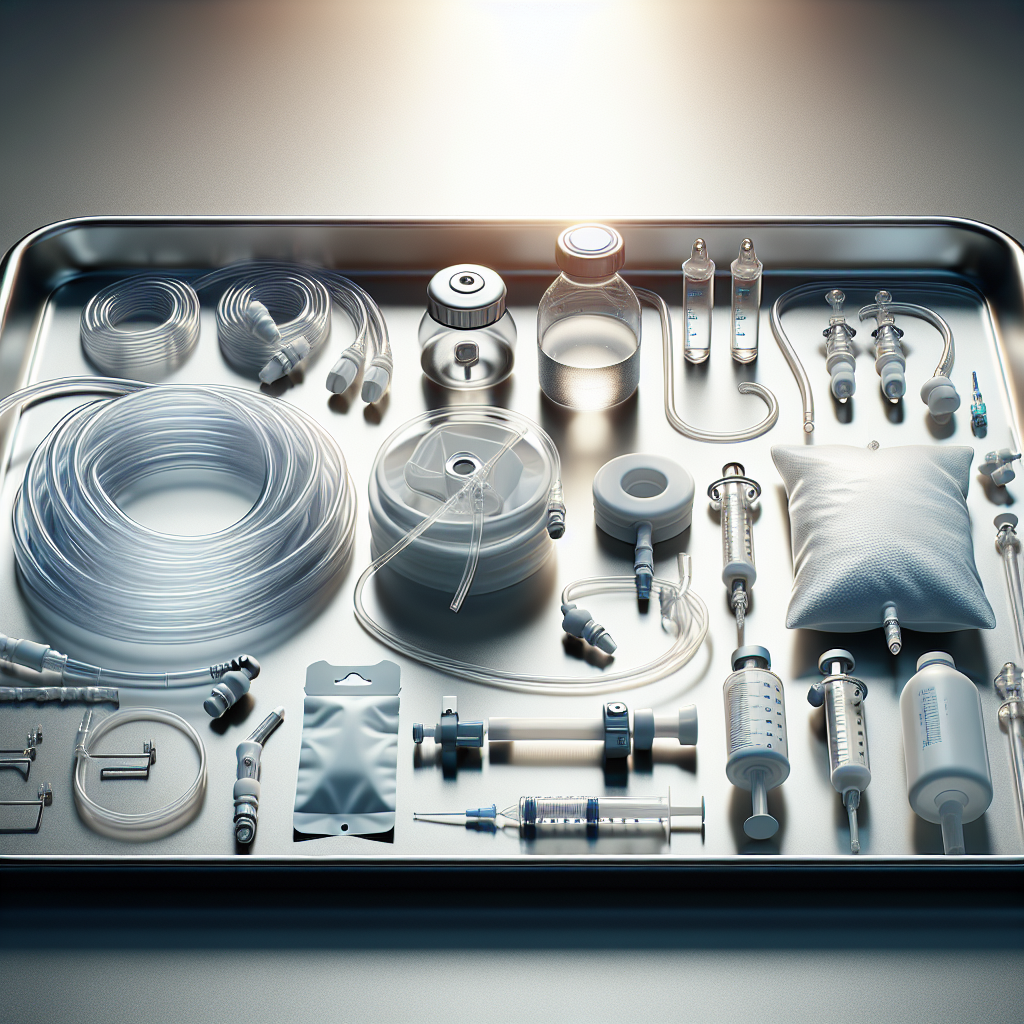
ALS, a progressive neurodegenerative disease, affects nerve cells in the brain and spinal cord, leading to muscle weakness and loss of voluntary movement. As the disease progresses, difficulty in swallowing can result in malnutrition and dehydration, making feeding tubes a critical component of care for many individuals.
Why Consider a Feeding Tube?
– Nutritional Support: Ensures adequate nutrition and hydration
– Quality of Life: Reduces stress and effort related to eating
– Preventative Care: Minimizes risks of aspiration pneumonia
Types of Feeding Tubes for ALS
When it comes to selecting a feeding tube, there are a few options to consider. Each type offers different benefits and should be discussed thoroughly with healthcare providers.
Percutaneous Endoscopic Gastrostomy (PEG) Tube
The PEG tube decision is a common choice for ALS patients:
– Procedure: Involves inserting a tube directly into the stomach through the abdominal wall using endoscopic guidance
– Benefits: Allows for direct delivery of nutrition and medication
– Recovery: Generally a quick recovery with minimal scarring
Nasogastric (NG) Tube
While less common long-term, an NG tube can be an initial option:
– Description: A non-surgical tube passing through the nose into the stomach
– Use: Suitable for short-term nutritional needs
– Considerations: May cause discomfort and should be frequently maintained
Radiologically Inserted Gastrostomy (RIG) Tube
Similar to the PEG tube, the RIG tube is inserted with radiological guidance:
– Suitable for PEG Alternatives: Particularly for patients where endoscopy isn’t feasible
– Advantages: Minimal invasive procedure with quick recovery
Making the Decision: Considerations and Discussions
Choosing the right feeding tube involves collaborative decision-making between the patient, family, and healthcare providers. Here are essential factors to consider:
Medical Considerations
– Stage of ALS: Assess the progression to determine urgency and necessity
– Overall Health: Evaluate any other medical conditions that might influence surgery or tube use
Lifestyle Impact
– Daily Routine: Consider integration with daily life and required assistance
– Comfort Level: Evaluate comfort factors associated with each type
Emotional and Psychological Aspects
– Patient’s Wishes: Respect the autonomy and desires expressed by the patient
– Family Support: Gauge the readiness of family members to assist with care
Maintenance and Care of ALS Feeding Tubes
Proper care is vital to ensure the feeding tube remains functional and infection-free. Here are key guidelines for maintenance:
– Regular Cleaning: Prevent blockages by flushing the tube with warm water after each use
– Site Care: Maintain hygiene around the insertion site to prevent infection
– Monitor for Complications: Stay vigilant for signs of infection, such as redness, swelling, or pain
Support and Resources
Seeking support and utilizing available resources is crucial for both patients and caregivers. Engaging with ALS support groups and specialized healthcare teams can provide better management strategies and emotional support.
References
– ALS Association
– Johns Hopkins ALS Clinic
– Mayo Clinic – ALS Disease Overview
Navigating the choices surrounding ALS feeding tubes requires thoughtful consideration and open communication with healthcare professionals. It is essential to weigh the benefits and potential challenges of each option to make the best choice for the individual involved.
For those seeking guidance, don’t hesitate to Reach out about your ALS and Real Water case. Additionally, you can Explore more related content or call 702-385-6000 for immediate assistance.