Riluzole vs Edaravone: Discover the Best ALS Medications
When exploring treatment options for Amyotrophic Lateral Sclerosis (ALS), understanding the medications available is crucial. “Riluzole vs Edaravone” emerges as an important comparison, given these drugs’ established roles in managing ALS symptoms and slowing disease progression. This detailed guide will explore the effectiveness, mechanisms, and considerations of both medications to assist patients and caregivers in making informed decisions.
Understanding ALS Medications
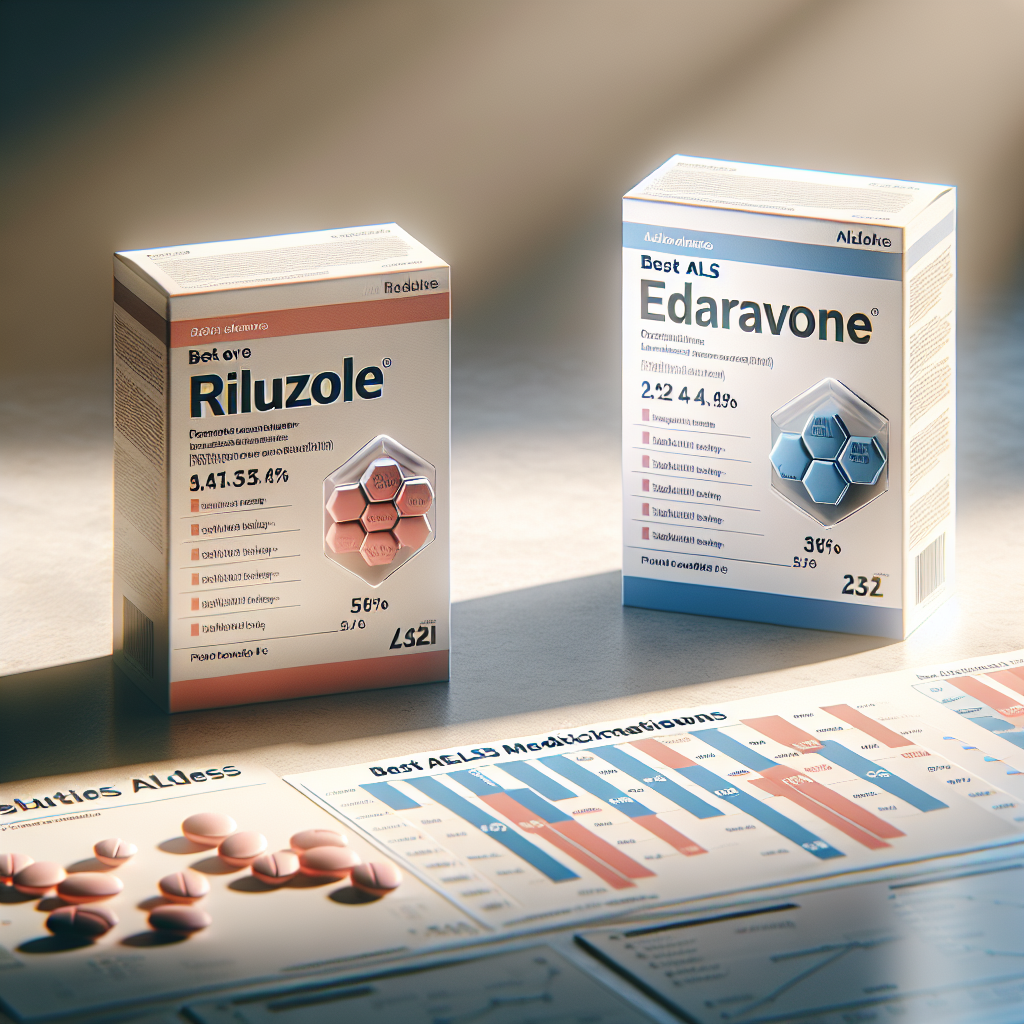
ALS, often referred to as Lou Gehrig’s Disease, targets nerve cells in the brain and spinal cord leading to muscle weakness and loss of motor function. While a cure remains undiscovered, certain medications help slow disease progression. Two primarily prescribed options in the sphere of ALS care are Riluzole and Edaravone. Each offers unique benefits, and understanding their differences helps customize treatment plans.
What is Riluzole?
Riluzole has been an established part of ALS management since it received FDA approval in 1995. It is designed to extend survival or time to tracheostomy, primarily by reducing damage to motor neurons. Here’s how it works:
– Mechanism of Action: Riluzole functions by inhibiting the release of glutamate, a neurotransmitter that can be toxic to nerve cells when present in excess. Its action helps in slowing the deterioration of nerve cells and stabilizing muscle activity.
– Administration: Usually administered orally, Riluzole is available in tablet and liquid forms. Daily intake is recommended under medical supervision.
– Clinical Efficacy: Studies suggest Riluzole can extend life expectancy by a few months, highlighting its capacity to slow the disease’s progression in its initial phases.
– Side Effects: Common side effects include nausea, fatigue, and liver function changes. Regular monitoring by healthcare providers is important to manage any adverse reactions.
What is Edaravone?
Edaravone, receiving FDA approval in 2017, is a newer addition to ALS treatment options. It has shown promise in early-stage ALS patients, potentially slowing the decline in physical function.
– Mechanism of Action: Edaravone acts as a free radical scavenger, mitigating oxidative stress which contributes to neuronal damage. By preserving neurological function, it aids in maintaining muscle strength for a longer period.
– Administration: Unlike Riluzole, Edaravone is administered intravenously. The treatment involves cycles of infusion, typically lasting around an hour, over several days followed by a rest period.
– Clinical Efficacy: Edaravone has been associated with slower functional decline, particularly when initiated early in the disease’s course. It is often considered for patients with rapidly progressing ALS.
– Side Effects: Potential side effects include bruising, gait disturbances, headaches, and allergic reactions. Its administration method may require additional support in a clinical setting.
Riluzole vs Edaravone: Which is Better?
Choosing between Riluzole and Edaravone involves weighing factors like stage of disease, delivery method preference, and existing health conditions. Here are some insights for consideration:
– Disease Stage: Riluzole is beneficial across various ALS stages, while Edaravone shows heightened efficacy in the early stages. Treatment plans often involve starting with Riluzole, incorporating Edaravone for those showing rapid progression.
– Administration and Lifestyle: Riluzole is preferable for convenience with its oral intake, whereas the intravenous process for Edaravone might suit those with access to regular medical support.
– Combination Therapy: Increasingly, physicians explore combining both medications to harness their complementary mechanisms. While this approach remains under study, early findings suggest potential amplified benefits in extending functionality.
– Individual Health Factors: Patients with liver conditions might have a limited option with Riluzole due to its hepatic metabolism. Conversely, those with infusion access barriers may feel restricted with Edaravone.
Other Considerations in ALS Treatment
– Nutritional Support: Nutrition plays a vital role in managing ALS symptoms. Ensuring adequate calorie intake and nutritional balance helps maintain muscle mass and energy levels.
– Physical Therapy: Incorporating physical therapy offers supportive care, enhancing quality of life and minimizing discomfort associated with immobility.
– Research Updates: Staying informed about advancing research and new treatment strategies is important; breakthroughs are continuously occurring, potentially altering current understanding and management practices.
Conclusion
The decision between Riluzole and Edaravone involves personal factors, physician recommendations, and diligent monitoring of the disease’s progression. As research evolves, these medications remain pivotal in offering hope and improved quality of life for those affected by ALS.
For personalized advice and to explore your options regarding ALS medications, you can reach out with your case details. Dive deeper into related ALS content on our blog page to stay informed about the latest in ALS research and support. For immediate assistance, call 702-385-6000 and speak directly with our specialists.
References
– FDA Approval of Riluzole
– The Role of Edaravone in ALS
– Effectiveness and Side Effects of ALS Medications