ALS Travel Tips: Must-Have Best Practices
ALS travel tips are indispensable for individuals and families navigating the world with amyotrophic lateral sclerosis. Traveling with ALS requires thoughtful planning to ensure both comfort and accessibility. Whether traveling for leisure or necessity, these best practices make the experience smoother and more enjoyable.
Understanding ALS and Accessible Travel
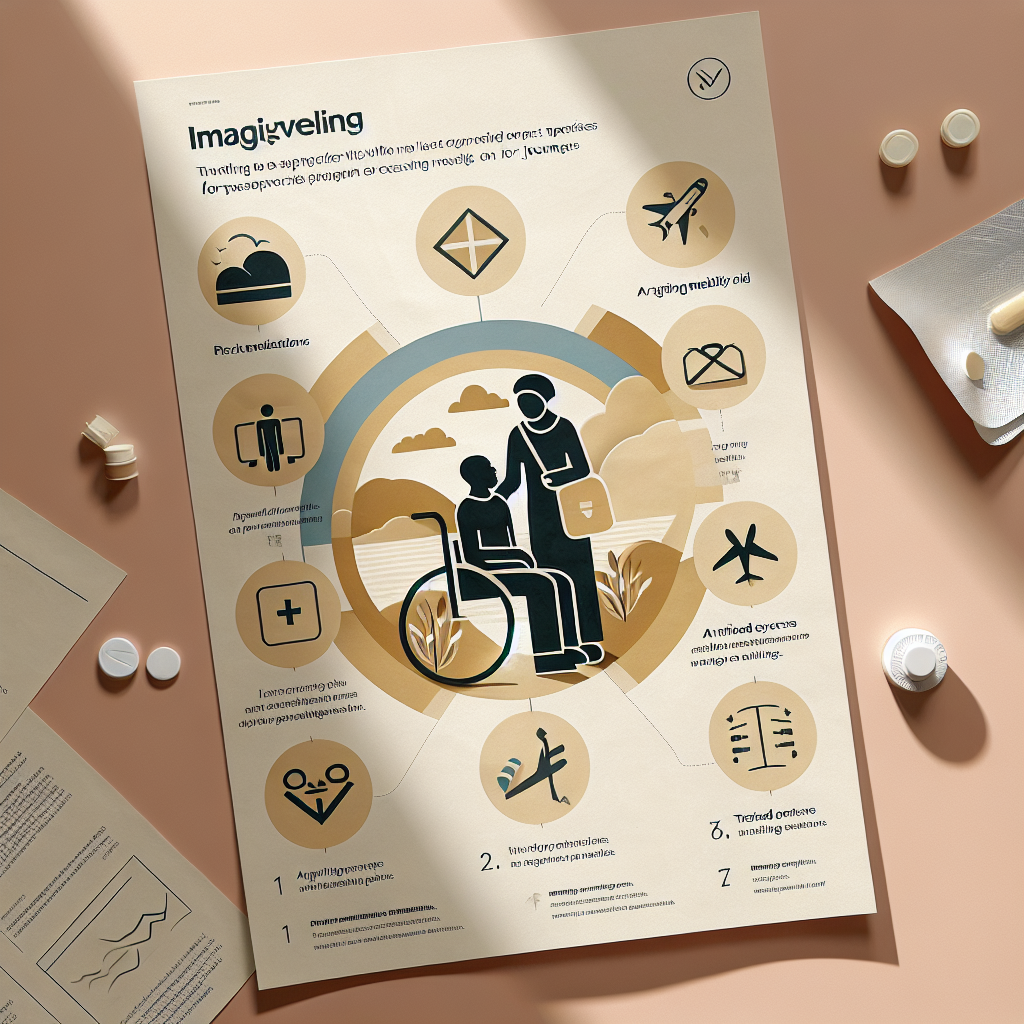
Traveling with ALS presents unique challenges. This progressive neurological disease affects nerve cells in the brain and spinal cord, leading to muscle weakness and mobility difficulties. Accessible travel becomes essential to accommodate these needs.
Why Accessibility Matters:
– Mobility Needs: Traveling with assistive devices like wheelchairs or scooters requires specific accommodations.
– Medical Requirements: Access to medical facilities and affordable care is crucial during travel.
– Comfort and Ease: Ensuring a stressfree environment enhances the overall experience.
ALS Travel Tips for Planning
Proper preparation is the cornerstone of successful travel for those with ALS. Here’s a breakdown of crucial planning steps:
1. Research Your Destination:
– Look into accessible hotel accommodations. Check for wheelchair accessibility, elevators, and other facilities.
– Find local medical centers and pharmacies. Determine their proximity to your accommodation.
2. Book Early:
– Reserve accessible rooms well in advance.
– Request any special services or amenities needed.
3. Pack Wisely:
– Prepare a detailed checklist. Include medications, medical equipment, snacks, and emergency contacts.
– Use packing organizers for efficient space usage.
Tips for Smooth Transportation
Transportation is a significant aspect of travel. ALS travel tips can help navigate various modes of transport:
Air Travel:
– Contact airlines ahead of time to notify them about any special accommodations. Confirm boarding assistance for wheelchairs.
– Request aisle seating for easier mobility.
– Carry medications and necessary documents in your carryon luggage.
Road Trips:
– Choose vehicles with enough room for wheelchairs and extra equipment.
– Plan regular stops to allow for movement and rest.
– Use GPS apps to locate accessible rest stops and facilities.
Comfortable and Safe Accommodations
Finding suitable lodging is integral to ensuring comfort:
Choose the Right Hotel:
– Confirm wheelchair access, barrierfree bathrooms, and spacious rooms.
– Some hotels offer medical assistance or connections to local caregivers.
Temporary Rentals:
– Platforms like Airbnb offer filters for accessible options.
– Directly communicate with hosts about specific requirements.
Navigating Destinations: ALS Travel Essentials
Once you’ve reached your destination, following ALS travel tips ensures a positive experience:
Explore Accessible Attractions:
– Research museums, parks, and theaters with accessibility options.
– Prioritize spaces with knowledgeable staff experienced in helping those with mobility issues.
Local Transport:
– Use accessible public transport services. Many cities offer buses and trains with appropriate modifications.
– Consider renting an adapted vehicle for more freedom.
Emergency Preparedness
Being prepared for unexpected situations is vital:
– Have a backup plan for medical emergencies. This includes knowing local emergency numbers and having travel insurance that covers ALS-related needs.
– Carry a small emergency kit consisting of first-aid supplies, essential medications, and identification.
Engaging with ALS Communities
Connecting with Others:
– Join ALS support groups local to your destination. They can offer valuable insights and recommendations.
– Engage with online forums and social media groups to seek real-time advice.
These connections often lead to shared experiences, creating an enriching travel experience.
Conclusion
Traveling with ALS doesn’t have to be daunting. With these ALS travel tips, individuals and families can enjoy fulfilling trips tailored to their unique needs. By planning ahead, choosing accessible options, and staying informed, travelers can make unforgettable memories while minimizing stress.
We encourage you to reach out about your ALS and Real Water case through our contact page for personalized assistance. Explore more related content by visiting our blog page, or call 702-385-6000 for immediate support.
References
– ALS Association
– Airbnb Accessibility
– Transportation and Travel for People with Disabilities