ALS Smart Home: Effortless Voice Control Solutions
In recent years, the concept of an ALS smart home has evolved to become more than just a novelty. With technological innovations, these homes now offer life-changing benefits for individuals living with amyotrophic lateral sclerosis (ALS). By integrating voice control solutions, everyday tasks can be accomplished without physical strain, ensuring a higher quality of life for those affected by this condition.
Understanding ALS and Its Challenges
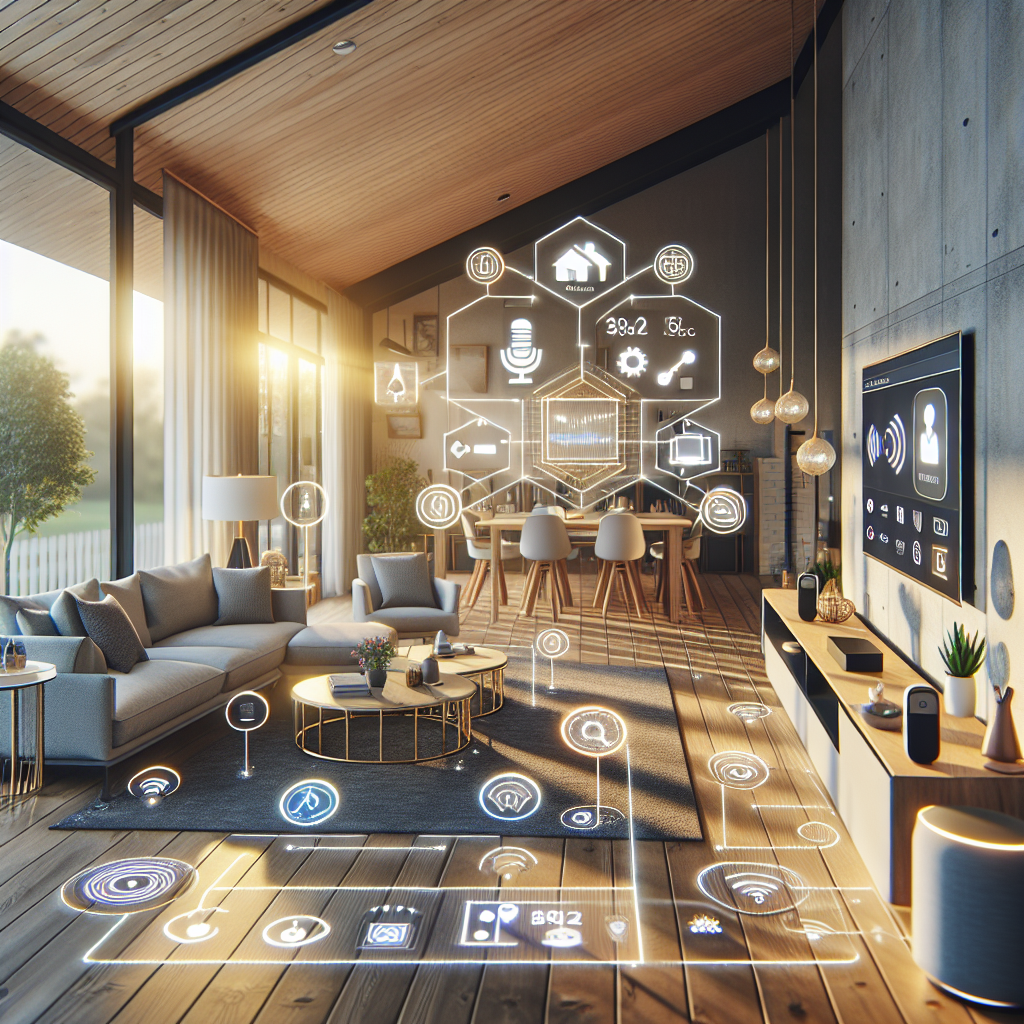
ALS, also known as Lou Gehrig’s disease, is a progressive neurodegenerative disease that affects nerve cells in the brain and spinal cord. It leads to muscle weakness, impacting speech, movement, and respiratory function. For individuals with ALS, maintaining independence can be incredibly challenging. Thus, smart home technology offers practical help, enabling them to control their environment with minimal physical effort.
The Rise of Voice Control in Smart Homes
Why Voice Control Matters
Voice control is a pivotal feature in modern smart homes, especially for ALS patients. Using natural language processing (NLP), it allows users to control various devices simply by speaking. This technology reduces reliance on fine motor skills, which are often impaired in ALS, empowering users to manage their environment independently.
Key Benefits of Voice Control for ALS
– Increased Independence: Patients can perform tasks like switching lights on or off, adjusting thermostats, and managing entertainment systems solely by voice commands.
– Enhanced Safety: Voice control helps ensure safety by allowing the patient to call for help or unlock doors without moving.
– Improved Comfort: Environmental adjustments, such as changing TV channels or starting kitchen appliances, can be conducted effortlessly.
Essential Voice-Control Devices for an ALS Smart Home
Smart Speakers and Assistants
Devices such as Amazon Echo and Google Nest provide the core functionality of a voice-controlled smart home. With built-in assistants like Alexa and Google Assistant, these devices enable seamless communication with other smart gadgets.
Smart Lighting Systems
Voice-activated lighting systems from Philips Hue or LIFX allow users to control brightness and color, enhancing visibility and ambiance without needing to physically interact with switches.
Thermostat Controls
Thermostats by Nest or Ecobee can be adjusted through voice commands, ensuring that users can maintain a comfortable temperature in their home at all times.
Smart Door Locks and Security Systems
For added security, smart locks and security cameras optimizable via voice commands enhance accessibility and peace of mind for both patients and their caregivers.
Setting Up an ALS Smart Home with Voice Control
Step 1: Initial Assessment
Conduct an assessment to identify the specific needs of the individual. Determine which tasks are most challenging and require automation.
Step 2: Selecting Appropriate Devices
Choose devices that are compatible with each other and with the existing setup. Consider brands and models that integrate seamlessly with major voice assistants.
Step 3: Installation and Configuration
Install the chosen devices in accessible locations. Configure them according to the user’s preference, ensuring that the voice assistants recognize their commands accurately.
Step 4: Continuous Monitoring and Updates
Regularly update device software to ensure security and functionality. Consider expanding the system as newer technologies become available.
Overcoming Challenges in Implementing Voice-Controlled Smart Homes
Technical Limitations
Occasionally, voice recognition software might not be 100% accurate, especially in noisy environments or with varying speech abilities. Solutions include using enhanced microphones or training the software to recognize specific vocal patterns.
Privacy Concerns
Security breaches and unauthorized access are potential risks. To mitigate these concerns, ensure that all devices are equipped with updated security measures and use strong encryption.
Cost Considerations
High-quality smart home devices can be costly. Researching different products and seeking out packages or discounts can help manage expenses effectively.
The Future of ALS Smart Homes
As technology evolves, ALS smart homes will become even more intuitive and personalized. Innovations such as AI-driven predictive systems and enhanced compatibility across different devices promise to revolutionize the living experience of ALS patients.
Conclusion
Voice control solutions in ALS smart homes represent a groundbreaking shift in providing independence and quality of life to patients. By embracing these technologies, families and caregivers can offer a more supportive, responsive environment. If you’re interested in learning more about integrating such solutions, explore the realwateralsinfo.com website’s blog page, or reach out for direct assistance here, and call 702-385-6000 for immediate aid.