ALS BiPAP Setup: A Guide for Effortless Night Comfort
Amyotrophic Lateral Sclerosis (ALS) presents various challenges, especially when it comes to respiratory health. For those battling ALS, the ALS BiPAP setup is an essential component of maintaining comfort and ensuring restful sleep. Noninvasive ventilation systems like BiPAP (Bilevel Positive Airway Pressure) devices are crucial in managing symptoms and enhancing the quality of life for individuals living with this condition. This guide aims to provide a comprehensive understanding of how BiPAP systems work, their benefits, and tips for an effective setup.
Understanding ALS and the Need for Noninvasive Ventilation
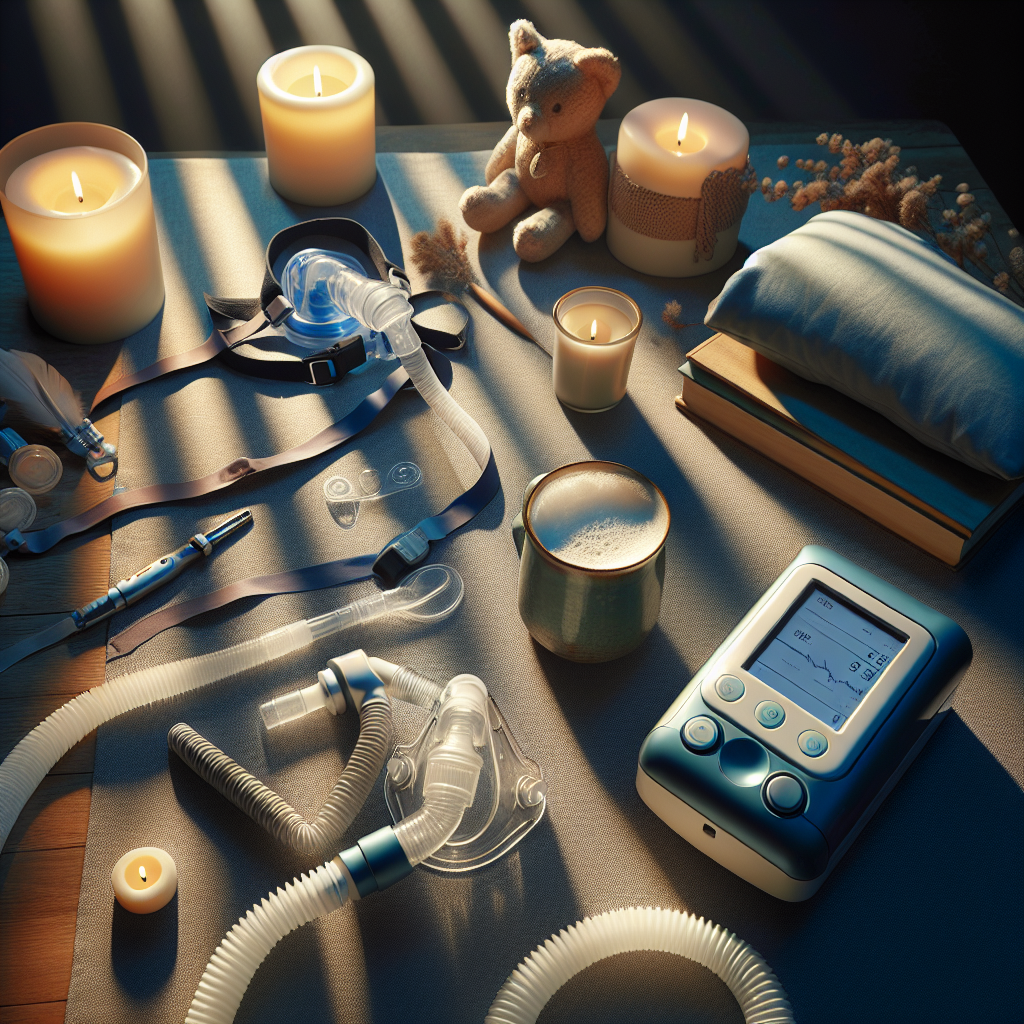
ALS is a progressive neurodegenerative disease affecting nerve cells in the brain and spinal cord. One of the common complications is respiratory failure due to weakened muscles. Noninvasive ventilation is often prescribed to support breathing without invasive procedures like tracheostomy. BiPAP machines assist by delivering pressurized air through a mask, making breathing easier and more efficient.
Benefits of Using a BiPAP Machine in ALS
Individuals with ALS benefit significantly from BiPAP machines due to the following reasons:
– Improved Sleep Quality: By providing consistent airflow, BiPAP reduces sleep apnea episodes.
– Increased Energy Levels: Better sleep results in increased daytime energy.
– Prolonged Life Expectancy: Studies have shown noninvasive ventilation can extend the lifespan of individuals with ALS.
– Enhanced Comfort: In contrast to invasive methods, BiPAP is less intrusive and more comfortable.
ALS BiPAP Setup: Step-by-Step Guide
Choosing the Right Equipment
– Consult with Healthcare Professionals: Obtain a prescription and necessary guidance from specialists who understand your specific health needs.
– Select the Appropriate Machine: Not all BiPAP machines are the same. Choose one designed for ALS with features that suit your comfort requirements.
– Mask Selection: Masks come in various designs such as fullface, nasal pillows, and nasal masks. The choice depends on personal comfort and breathing needs.
Setting Up the BiPAP Machine
1. Placement: Position your BiPAP machine on a stable, flat surface near your bed. Ensure it’s within easy reach so you can adjust settings if needed during the night.
2. Connecting Components: Attach the hose securely to both the machine and the mask. Doublecheck all connections to avoid leaks that could disrupt airflow.
3. Filters and Humidifier: If equipped, set up the humidification system and ensure air filters are clean and properly installed.
4. Power Supply: Always have a power backup like battery packs during outages. Plug the machine into an easily accessible outlet.
Adjusting Settings
– Pressure Settings: Work with your respiratory therapist to adjust the pressure settings to your comfort level. Correct settings prevent airway collapse during sleep.
– Ramp Feature: This allows the machine to start at lower pressure and gradually increase, providing comfort at the onset of sleep.
– Humidification Levels: Adjust the humidifier to a comfortable level to prevent dryness or irritation.
Ensuring Proper Mask Fit
A properly fitting mask is crucial for effective therapy. Here’s how to ensure a good fit:
– Regular Adjustments: Make small adjustments before sleep to ensure comfort. The mask should fit snugly without being too tight.
– Check for Skin Irritation: Regularly inspect your face for redness or sores, adjusting as necessary.
– Consult Experts: If you have difficulty finding a comfortable fit, consult with a professional for a tailored solution.
Tips for Maintaining the BiPAP Machine
– Daily Cleaning: Clean the mask and tubing regularly to prevent buildup of dust and bacteria.
– Weekly Maintenance: Wash humidifier chambers and check filters weekly to ensure efficient operation.
– Regular Servicing: Schedule regular checks with your provider to ensure the machine is functioning correctly.
Overcoming Common Challenges
– Addressing Noise Issues: If the machine is noisy, try placing it on a soft surface or checking for loose components.
– Dealing with Discomfort: If dryness or nasal congestion occurs, consider adjusting humidifier levels or trying a different mask type.
– Managing Pressure Sensations: Start with lower pressure settings and gradually increase as you become accustomed to the sensation.
Conclusion
Setting up a BiPAP machine for ALS requires careful consideration and consultation with healthcare providers but can dramatically improve the quality of life. The comfort it provides during sleep is indispensable for individuals battling ALS, helping them cope with respiratory challenges effectively. For further assistance or to begin setting up your own system, professionals are readily available to help you make the most informed decisions.
Consider taking the next steps:
Reach out about your ALS and Real Water case through the website’s contact page
Explore more related content on the Real Water ALS Info Blog
Call 702-385-6000 for immediate assistance
References
– Healthline on Noninvasive Ventilation
– ALS Association Respiratory Support
– Mayo Clinic on BiPAP Machines
– National Institute of Neurological Disorders and Stroke on ALS