ALS Communication Apps: Discover Effortless Must-Haves
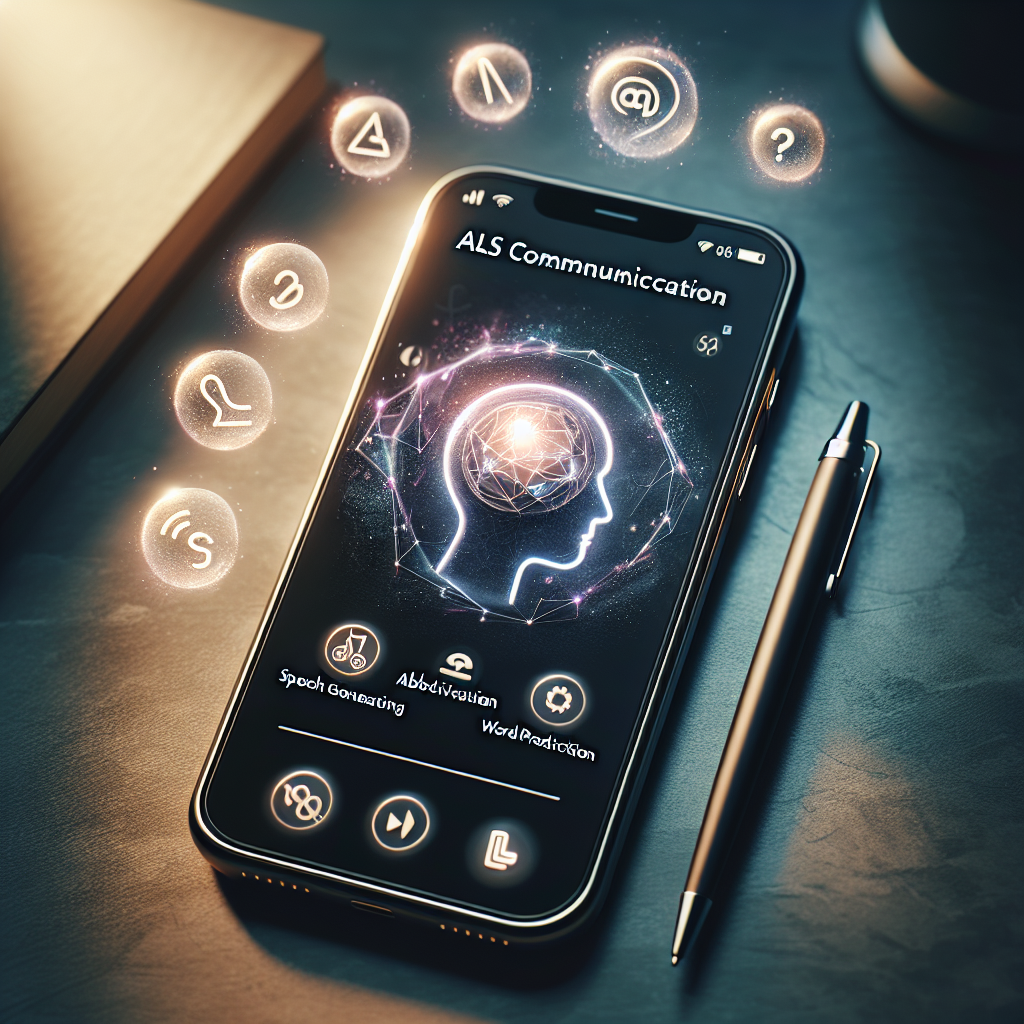
ALS communication apps are revolutionizing the way individuals with Amyotrophic Lateral Sclerosis (ALS) connect with the world. As this neurodegenerative condition progresses, it often affects speech, making communication increasingly challenging. Fortunately, modern technology offers a variety of tools designed to facilitate effortless interaction. This article explores the most effective solutions available today, focusing on must-have features and the benefits of these innovative applications.
Understanding ALS and AAC Devices
People diagnosed with ALS frequently experience difficulties in speaking and swallowing. Such communication barriers can significantly impact everyday life, leading to social isolation and frustration. Fortunately, Augmentative and Alternative Communication (AAC) devices present practical solutions. These tools, ranging from simple picture boards to sophisticated software, enable individuals to express themselves more effectively.
AAC devices are broadly categorized into unaided and aided systems. Unaided systems include gestures and facial expressions, while aided systems encompass tools needing external assistance, such as speech-generating devices (SGDs) and communication apps.
The Role of ALS Communication Apps
ALS communication apps are a subset of AAC devices specifically designed to cater to the unique needs of individuals with ALS. These apps leverage technology to transform tablets and smartphones into powerful communication aids, ensuring that users can interact seamlessly and maintain their autonomy.
Key Features of Effective ALS Communication Apps
1. Ease of Use:
– User-friendly interfaces with intuitive navigation
– Customizable settings to adapt to the user’s specific needs
2. Speech Synthesis:
– Natural-sounding voice outputs that facilitate more realistic communication
– Options to personalize voice settings for authenticity
3. Symbol and Text Options:
– Comprehensive libraries of symbols and pictograms for those with limited literacy skills
– Text-to-speech capabilities allowing users to type their messages
4. Compatibility and Accessibility:
– Integration with other assistive devices, such as eye-tracking technology
– Features that accommodate various physical impairments
5. Offline Functionality:
– Essential for ensuring communication is not reliant on internet connectivity
Top ALS Communication Apps Worth Exploring
1. Proloquo2Go
Proloquo2Go is a widely acclaimed AAC app designed to help individuals with speech impairments communicate through symbols and text. Its robust set of features includes:
– A customizable vocabulary tailored to the user’s developmental stage
– A simple navigation structure that promotes ease of use
– The ability to grow the vocabulary as communication skills advance
2. Predictable
Predictable is another popular communication app perfect for those with ALS. It converts text into speech, enabling users to express themselves fluently through:
– Text prediction that speeds up message composition
– A diverse selection of voices and languages
– Customizable shortcuts for frequently used sentences
3. TouchChat HD
TouchChat HD is an adaptive app that offers a wide range of communication options from simple to complex levels. Its standout features include:
– A symbol-based layout for non-verbal communication
– A range of speech-generating options
– The use of multiple languages for diverse communication needs
4. Grid Player
Grid Player provides comprehensive communication support with:
– Editable grid sets suited for individual preferences and communication goals
– Eye gaze technology integration to assist users with limited mobility
– Options for dynamic displays suited to different cognitive levels
Integrating AAC Devices Into Everyday Life
The journey to seamless communication involves more than downloading an app. Successful integration of AAC devices into daily routines requires:
– Training and Support: Encourage learning through available tutorials and professional guidance on the app use.
– Ongoing Adaptation: Adjusting settings as users’ communication needs evolve over time.
– Family and Caregiver Involvement: Supporting the user in adopting these tools leads to a more inclusive environment.
The Future of ALS Communication Technology
The advancements in technology promise a bright future for ALS communication tools. Developments in artificial intelligence and machine learning hold potential for apps that can predict users’ needs even more precisely, providing suggestions that are even more contextually appropriate.
Voice-activated systems and smart home integrations represent another frontier, streamlining communication and interaction within varied environments. The continued evolution of ALS communication apps will undoubtedly empower users to maintain their dignity and independence for as long as possible.
Conclusion
ALS communication apps are indispensable tools in the fight against the communicative challenges posed by ALS. From customizable vocabularies to seamless integration with other assistive technologies, these apps play a vital role in enhancing the quality of life for individuals living with this condition.
For those interested in learning more or seeking assistance, don’t hesitate to reach out through the Real Water ALS Info website’s contact page, explore related content on the blog page, or call 702-385-6000 for immediate assistance.
References
– Proloquo2Go
– Predictable App
– TouchChat HD
– Grid Player