ALS Constipation Relief: Understanding and Managing the Issue
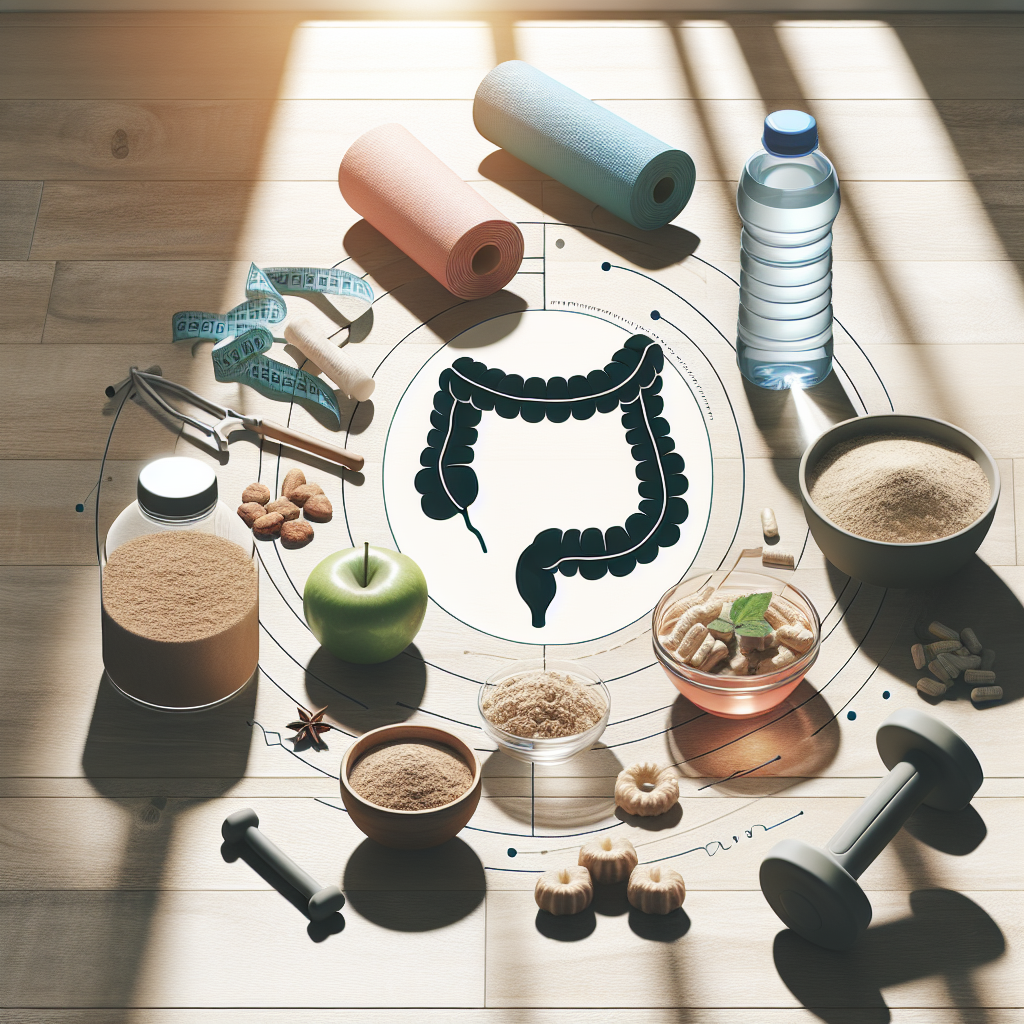
ALS constipation relief is a crucial aspect of managing the overall well-being of individuals living with amyotrophic lateral sclerosis (ALS). While the primary symptoms of ALS are muscle weakness and degeneration, issues like constipation can significantly impact quality of life. By following a structured bowel program, patients can experience considerable improvements. This article offers insights into effective strategies for managing constipation in ALS patients, emphasizing natural, proactive methods.
The Importance of ALS Constipation Relief
For individuals with ALS, managing bowel health is essential. Constipation can lead to discomfort, bloating, and other complications, making daily life challenging. Understanding the causes and identifying targeted relief methods can transform patient experiences, promoting comfort and health.
Recognizing the Symptoms
Identifying constipation involves noticing symptoms like infrequent bowel movements, hard or lumpy stools, and difficulty during bowel movements. Patients may also experience abdominal discomfort or a feeling that their bowel is not entirely empty after a movement. Awareness of these signs is the first step in seeking relief.
Developing an Effective Bowel Program
Personalized Approaches
Implementing a personalized bowel program is a key strategy for ALS constipation relief. This involves:
– Individual Assessment: Understanding the patient’s specific condition and needs. This may include dietary habits, medication, and lifestyle.
– Routine Establishment: Encouraging regular bathroom visits can help train the body to have more predictable bowel movements.
– Dietary Adjustments: Increasing fiber intake through foods like fruits, vegetables, and whole grains can promote regularity.
– Hydration Focus: Adequate water consumption aids digestion and stool softening.
Incorporating Safe Exercises
Despite the physical limitations ALS imposes, incorporating gentle exercises can help stimulate bowel activity. Patients should consult their healthcare provider to devise a suitable exercise plan.
Medications and Supplements
While dietary changes and routines are fundamental, medications may also be necessary for some ALS patients. Physicians may recommend:
– Stool Softeners: These help moisten the stool, making it easier to pass.
– Laxatives: Used sparingly, they can provide immediate relief by stimulating bowel movements.
– Fiber Supplements: For those who struggle to get enough fiber from their diet.
All medications should be used under a doctor’s supervision to avoid potential side effects or interactions.
Lifestyle Modifications for Constipation Relief
Small lifestyle adjustments can make a significant difference:
– Mindful Eating: Taking time to eat slowly and chew thoroughly can enhance digestion.
– Positioning: Certain bathroom positions, such as placing feet on a small stool, can facilitate easier bowel movements.
– Stress Management: Practices like meditation and breathing exercises can alleviate the stress that may worsen constipation.
Alternative Therapies
Exploring alternative therapies might offer additional relief for patients:
– Acupuncture: Some studies suggest it may enhance digestive functions.
– Herbal Remedies: Senna and psyllium are popular but should be used cautiously and with medical advice.
– Probiotics: These can balance gut bacteria, potentially improving bowel health.
Monitoring and Adjusting Bowel Programs
Each ALS patient’s needs are unique, making regular monitoring essential. Keeping a journal of bowel movements, dietary intake, and symptoms can help patients and healthcare providers make necessary adjustments. Regular follow-ups with a healthcare provider ensure the bowel program remains effective.
Professional Support and Resources
Seeking help from dietitians, physical therapists, and ALS specialists can provide tailored advice and support. These professionals help ensure that the bowel program remains safe and effective.
Conclusion
Implementing strategies for ALS constipation relief can lead to significantly improved comfort and quality of life. By adopting a comprehensive bowel program and incorporating supportive habits or therapies, patients can achieve better bowel health.
For those seeking further assistance or information, there are multiple avenues available:
– Reach out about your ALS and Real Water case through our contact page.
– Explore more related content on our blog page.
– Call 702-385-6000 for immediate assistance with your needs.
References
– National Institute of Neurological Disorders and Stroke
– ALS Association
– Mayo Clinic: Amyotrophic Lateral Sclerosis Overview
– WebMD: Understanding Constipation