ALS Exosomes: Stunning Breakthrough with Mesenchymal Cells
ALS exosomes are creating waves in the scientific community as global researchers uncover their potential in treating neurodegenerative diseases. Amyotrophic Lateral Sclerosis (ALS), also known as Lou Gehrig’s disease, is a progressive condition affecting nerve cells in the brain and spinal cord. Advances involving exosomes derived from mesenchymal stem cells present promising possibilities for addressing this challenging disease.
Understanding ALS and its Challenges
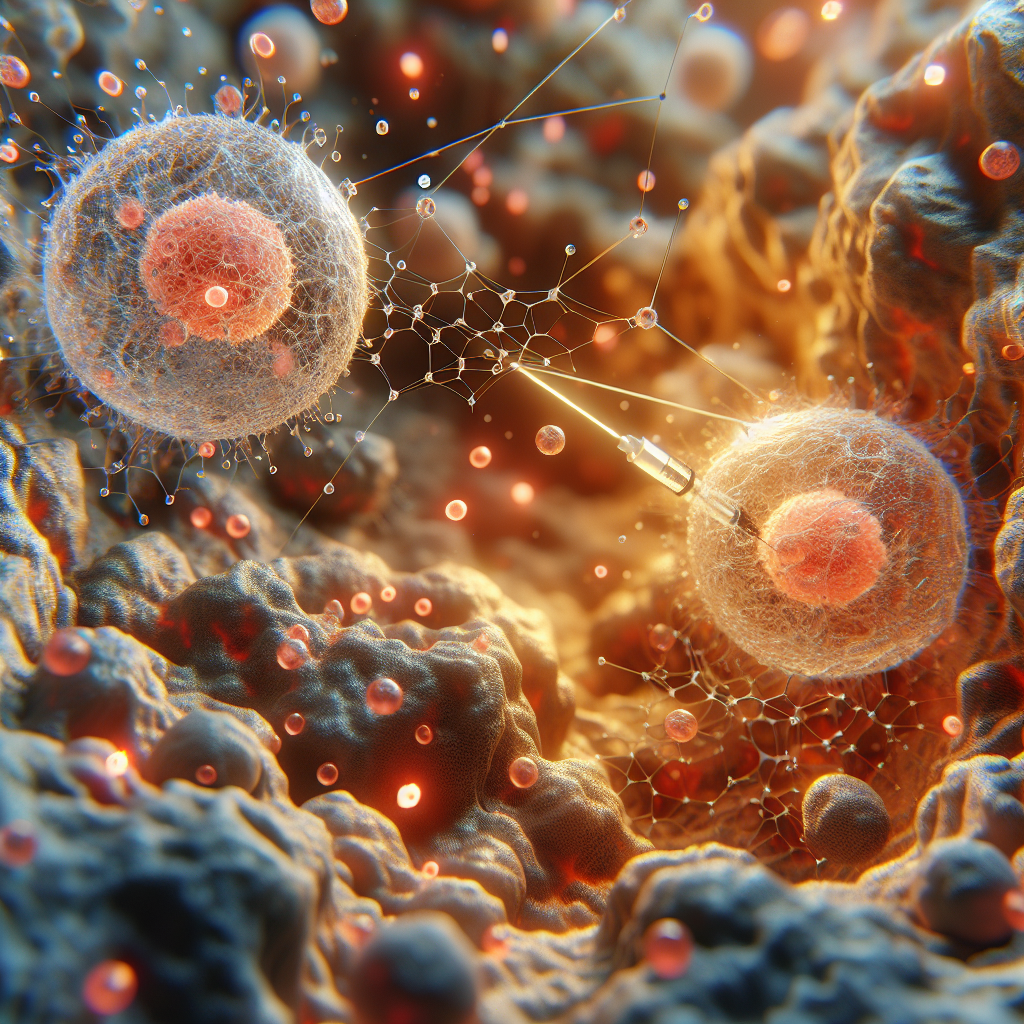
ALS leads to the gradual degeneration of motor neurons, resulting in muscle weakness, paralysis, and ultimately, respiratory failure. Current treatments can only manage symptoms without halting disease progression, highlighting the urgent need for breakthroughs.
What Are Exosomes?
Exosomes are tiny vesicles produced by cells, acting as messengers to transfer molecules like proteins, lipids, and genetic material between cells. They play a crucial role in cellular communication and have emerged as intriguing players in regenerative medicine due to their ability to influence various physiological processes.
Mesenchymal Stem Cells: A Source of Healing
Mesenchymal stem cells (MSCs) are multipotent cells capable of differentiating into various cell types, including bone, cartilage, and fat cells. Their unique properties make them ideal candidates for regenerative therapies. Researchers are now exploring their exosomes as potential therapeutic agents, particularly in the context of ALS.
The Role of ALS Exosomes in Therapy
The relevance of ALS exosomes lies in their ability to mediate repair and regeneration within damaged tissues. These nanosized vesicles are packed with growth factors, anti-inflammatory agents, and neuroprotective proteins, essential for combating the degenerative effects of ALS.
Exploring the Mechanisms
Incorporating exosomes derived from mesenchymal stem cells offers multifaceted benefits:
– Neuroprotection: Exosomes provide vital neuroprotective factors that support motor neurons, potentially delaying disease progression.
– Inflammation Modulation: Exosomes have anti-inflammatory properties that can reduce damaging inflammation in the nervous system.
– Cellular Communication Enhancement: They facilitate improved communication between damaged and healthy cells, promoting repair and regeneration.
Research Breakthroughs and Clinical Trials
Recent studies have demonstrated the potential of ALS exosomes in preclinical models. In one study, the administration of MSC-derived exosomes in ALS-induced mice exhibited improved motor function and extended survival rates. This promising research paves the way for human clinical trials, aimed at assessing extraneous treatments’ safety and efficacy.
Ethical and Safety Considerations
While the promise is undeniable, researchers face challenges, including ensuring treatment scalability and regulatory approval. Safety and ethical considerations must remain at the forefront, ensuring that such innovative treatments provide genuine patient benefits without unforeseen consequences.
Future Directions in ALS Exosome Research
The road ahead for ALS exosome research involves a multi-faceted approach:
– Expanded Clinical Trials: Continued assessment of therapeutic interventions on larger cohorts to ensure replicability of results.
– Comprehensive Mechanistic Studies: Delve deeper into the interactions of exosomes at the molecular level to refine therapeutic applications.
– Regulation and Standardization: Develop guidelines and protocols to ensure consistency, safety, and efficacy across trials and treatments.
The Potential Impact on Neurology
The groundbreaking research into ALS exosomes holds promise not only for ALS patients but across the broader field of neurology. The ability to harness natural cellular processes for healing could transform treatment paradigms, offering hope for those battling debilitating neurodegenerative diseases.
Conclusion: Harnessing Innovation for a Brighter Future
ALS exosomes derived from mesenchymal stem cells signify a genuinely astonishing breakthrough in medical research. While the journey from bench to bedside is complex, the potential rewards are immense, offering a beacon of hope for individuals and families grappling with ALS.
Would you like to learn more or need assistance with ALS and the potential of real water treatments? Feel free to contact us for more information. Additionally, explore more related content on our blog. For immediate assistance, call us at 702-385-6000.
References
– Exosome Biology and Therapeutic Potential
– Mesenchymal Stem Cells: Mechanisms and Therapeutic Potential
– Harnessing MSCs Exosomes in Neurodegenerative Disease