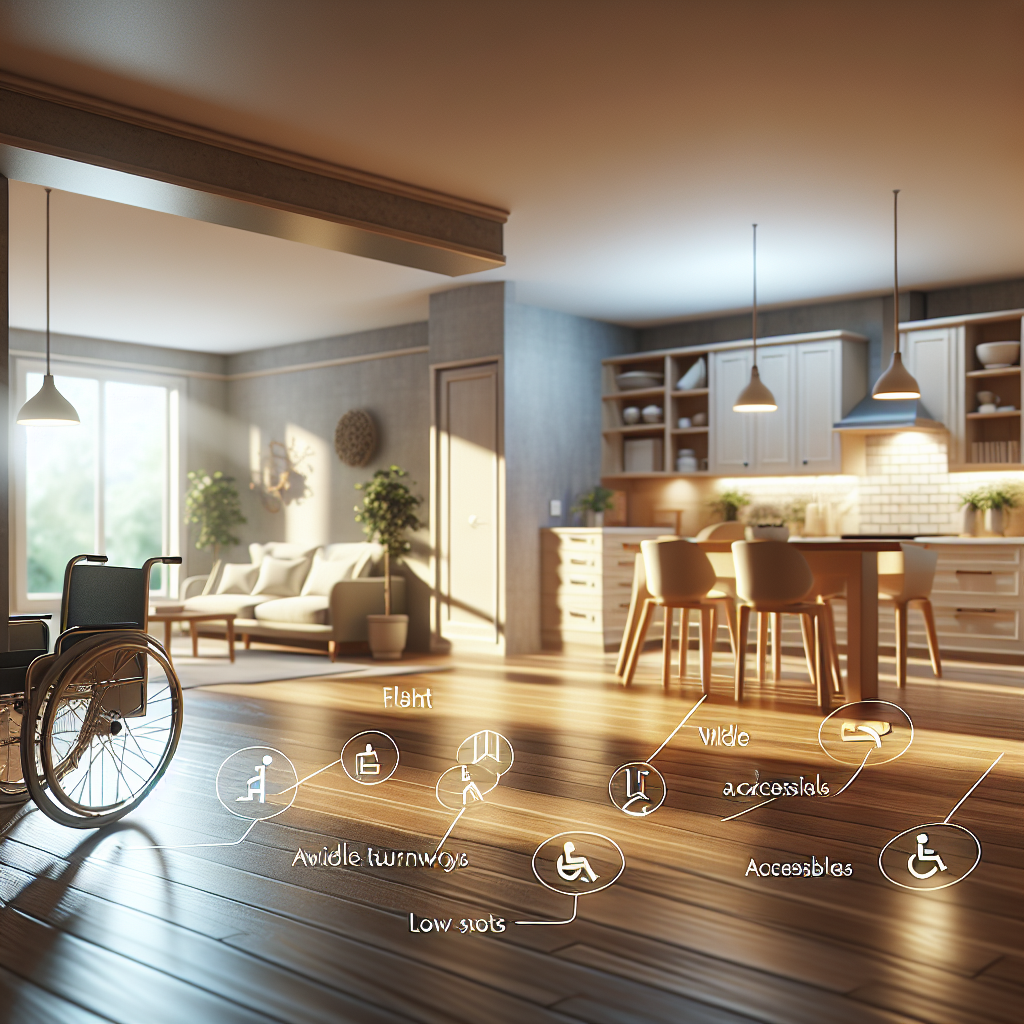
ALS Home Modifications: Enhancing Wheelchair Accessibility
ALS home modifications are crucial for improving the quality of life for those affected by amyotrophic lateral sclerosis. Creating a comfortable and accessible environment is a priority for individuals navigating this challenging condition. With thoughtful changes, homes can become havens of independence and safety.
Understanding ALS and Its Impact on Mobility
ALS, or amyotrophic lateral sclerosis, is a progressive neurodegenerative disease that affects nerve cells in the brain and spinal cord. As the disease advances, those living with ALS experience increasing difficulty in controlling muscle movement. This often necessitates the use of a wheelchair, making home modifications essential for maintaining autonomy and dignity.
Why ALS Home Modifications Are Essential
Making homes accessible is not merely about convenience; it’s a matter of necessity. Key considerations for ALS home modifications focus on:
– Safety: Reducing fall risks and ensuring that emergency services can be easily accessed.
– Independence: Allowing individuals to perform daily activities without constant assistance.
– Comfort: Enhancing overall quality of life by creating a stressfree environment.
Wheelchair Accessibility: Key Elements
To achieve optimal wheelchair accessibility, consider the following elements:
– Doorway Widening: Standard doorways often need widening to accommodate wheelchairs. The minimum width should be 32 inches, though a width of 36 inches is ideal. This may involve reframing or adding swingclear hinges to maximize space.
– Ramp Installation: Ramps are essential for navigating stairs. They should have a gentle slope, usually one inch of rise for every twelve inches of length, and be equipped with non-slip surfaces. Ensure that ramps are installed at all entry points to provide seamless access.
– Flooring Adjustments: Smooth, hard flooring materials like hardwood, tile, or laminate are preferable. They allow for easy maneuverability, unlike carpeting that could cause a wheelchair to snag or slow down.
Kitchen Modifications for ALS Home Modifications
The kitchen is a vital area for fostering independence, where simple changes can make a significant difference:
– Lowered Countertops and Cabinets: Modify counters to a height of 28–34 inches so they are reachable from a wheelchair. Opt for opentype cabinets or pullout shelves to access items effortlessly.
– Accessible Appliances: Choose appliances that are easy to operate from a seated position. Sideopen ovens, sieasy reach refrigerators, and leveroperated faucets are excellent features.
– Strategic Layout: To enhance movement, create an open kitchen layout that provides ample turn-around space. An ideal diameter for turning is five feet.
Bathroom Adjustments for Wheelchair Accessibility
The bathroom is another critical space where ALS home modifications can vastly improve usability:
– Roll-in Showers: Install a curb-free shower entry and ensure shower controls are within reach. Consider adding a handheld showerhead and a built-in shower seat for extra comfort.
– Grab Bars: Place grab bars near the toilet, shower, and bathtub as they provide support and prevent falls. Ensure they are securely mounted to bear weight.
– Accessible Toilets: Consider height-adjustable or comfortheight toilets that make transfers easier. Install levers for easier flush control.
Living Room and Bedroom Considerations
Creating accessible living and sleeping spaces is equally important in ALS home modifications:
– Furniture Arrangement: Avoid clutter and arrange furniture to provide clear pathways. Ensure that essential items are within easy reach to avoid unnecessary strain.
– Adjustable Beds: Use adjustable beds that elevate and recline for ease of entry and exit. Additionally, bedside grab handles can assist with repositioning.
– Smart Home Integration: Employ smart technology for lighting, temperature control, and entertainment systems. Voice-activated devices can significantly reduce the need for physical effort.
Funding and Financial Support for ALS Home Modifications
Undertaking ALS home modifications can be financially daunting. However, several resources can offer support:
– Grants and Nonprofits: Explore grants from organizations like the ALS Association or local nonprofits dedicated to helping individuals with disabilities.
– Insurance and Government Programs: Check with health insurance providers and government programs, such as Medicare or Medicaid, that may cover part of the modification costs.
Conclusion: Creating a Haven of Independence
ALS home modifications for wheelchair accessibility can significantly impact the comfort and freedom of those living with ALS. By implementing thoughtful changes throughout the home, caregivers and family members can create an environment that fosters independence, safety, and dignity.
For those looking for personalized guidance on home modifications, we encourage you to reach out with your ALS and Real Water case. Interested in more insights? Explore related topics on our blog. For immediate assistance, please call us at 702-385-6000.
References
– ALS Association
– Medicare
– Centers for Disease Control and Prevention: Amyotrophic Lateral Sclerosis