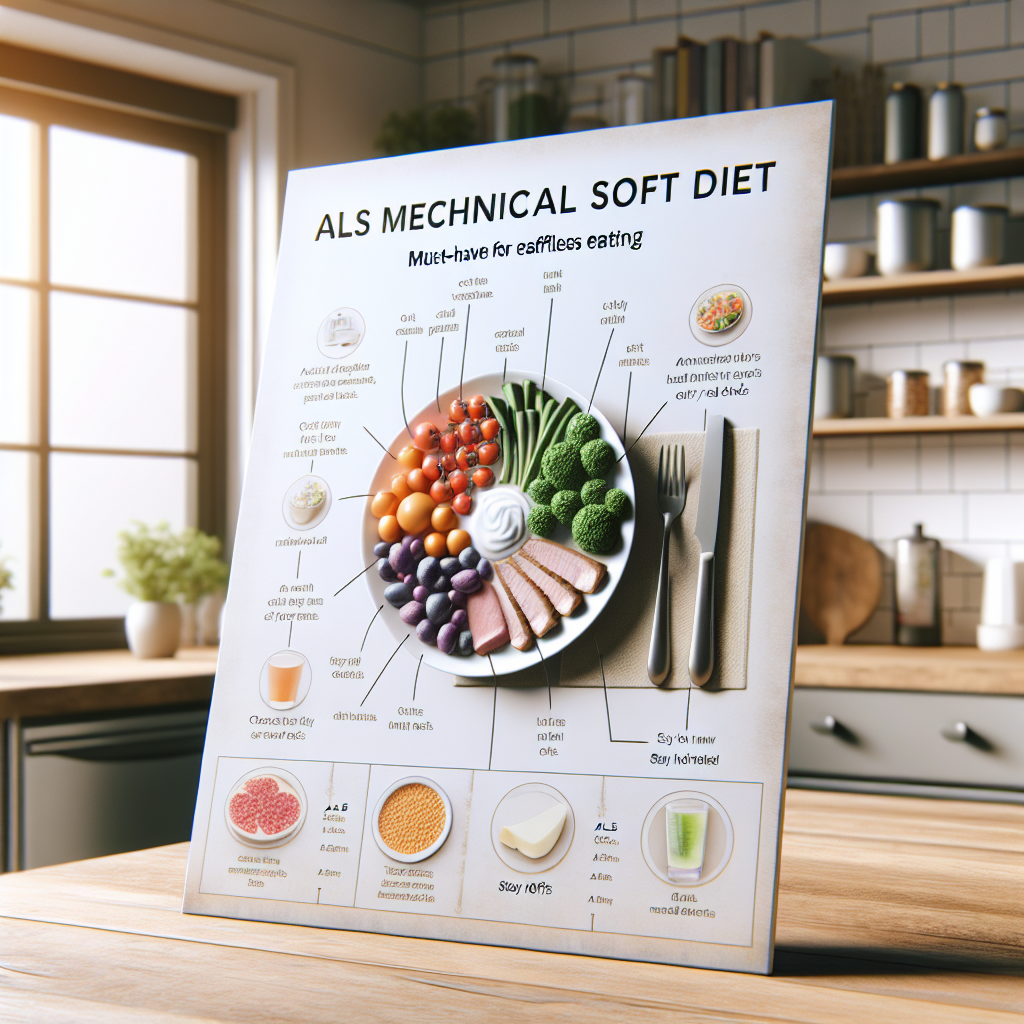
ALS Mechanical Soft Diet: Must-Have Tips for Effortless Eating
Living with amyotrophic lateral sclerosis (ALS) presents unique challenges, particularly when it comes to nutrition and maintaining a healthy diet. The ALS mechanical soft diet is an essential plan for individuals experiencing difficulties swallowing, known as dysphagia. This dietary approach helps ensure adequate nutrition while preventing choking or aspiration. Here, we provide must-have tips for managing an effective mechanical soft diet, offering support for both patients and caregivers.
Understanding ALS and Dysphagia
ALS is a progressive neurodegenerative disease that affects nerve cells in the brain and spinal cord, leading to muscle weakness and eventual loss of motor functions. Many individuals with ALS also develop dysphagia, complicating their ability to eat and drink. This difficulty in swallowing makes proper nutrition and hydration paramount, and a mechanical soft diet can offer a practical solution.
What is an ALS Mechanical Soft Diet?
A mechanical soft diet consists of foods that are modified in texture so they are easier to chew and swallow. This typically involves foods that are pureed, minced, or finely chopped. The goal is to reduce the risk of choking while making eating a more comfortable and enjoyable experience.
Key Components of the ALS Mechanical Soft Diet
– Texture Modification: Foods should be soft enough to break apart easily. This means avoiding hard, crunchy, or sticky foods.
– Nutrient Density: Meals should be rich in essential nutrients to meet the caloric and nutritional needs of individuals with ALS.
– Varied Flavors: Although the diet is modified in texture, it should still include a variety of flavors to stimulate appetite.
Tips for Implementing an ALS Mechanical Soft Diet
1. Preparing Meals
Grinding and Pureeing
Use a food processor or blender to achieve the desired consistency. Foods like meats, vegetables, and fruits can be pureed or minced. It’s crucial to find the right texture to ensure safety and enjoyment.
Cooking Techniques
Steaming or boiling foods until soft before pureeing ensures easier blending and maximum nutrient preservation. Slow cooking tough cuts of meat can create tender, easily digestible protein options.
2. Essential Tools and Equipment
Investing in some key kitchen tools can make meal preparation more efficient:
– Blender or Food Processor: Essential for creating smooth textures.
– Fine Mesh Strainer: Useful for removing any solid particles from purees.
– Silicone Spatula: Helps scoop out blended foods without waste.
3. Developing Meal Plans
Balance and Variety
Include a balance of proteins, carbohydrates, and fats in every meal. Rotate between different food groups to keep meals interesting and nutritionally comprehensive.
Portion Control
Ensure portions are manageable to prevent fatigue during meals. Divide larger meals into smaller, more frequent ones to facilitate easier digestion.
4. Addressing Common Challenges
Enhancing Flavor
Enhance flavor with herbs, spices, or sauces. Avoid using excessive salt or sugar, but experiment with mild seasonings to appeal to changing taste preferences.
Hydration Considerations
Thickening liquids can prevent aspiration but may alter taste and acceptance. Consider using a commercial thickener or natural alternatives like gelatinized chia seeds or blended fruits.
Ensuring Nutritional Adequacy
Adopting an ALS mechanical soft diet requires a focus on nutrient-rich choices. Here are some nutritious options to consider:
– Proteins: Soft cooked eggs, mashed legumes, ground meats
– Carbohydrates: Smooth oatmeal, mashed sweet potatoes, soft-cooked pasta
– Fats: Avocado, smooth nut butters, cream-based sauces
Conclusion
Implementing a mechanical soft diet can significantly improve the quality of life for those with ALS, offering a safer and more pleasant eating experience. By focusing on proper preparation, diverse textures, and appealing flavors, both patients and caregivers can navigate these dietary changes with confidence.
Take Action
For more personalized advice or assistance, don’t hesitate to reach out about your ALS and Real Water case through the realwateralsinfo.com website’s contact page. You can also explore more related content on the realwateralsinfo.com website’s blog page. If you require immediate help, call 702-385-6000 now for prompt support.
References
– Understanding ALS
– Dysphagia Awareness
– Nutrition for Neurogical Disorders
– Tips for Pureeing Food