ALS Sleep Position: Essential Tips for Effortless Relief
Managing amyotrophic lateral sclerosis (ALS) is an ongoing challenge, especially when it comes to ensuring a restful night’s sleep. An effective ALS sleep position can significantly improve comfort and wellbeing. For individuals living with ALS, the manner in which they position themselves during sleep can mitigate various physical discomforts and enhance overall quality of life. Understanding the nuances of sleep positioning helps in providing much-needed pressure relief, a vital component for better sleep and daily function.
Understanding ALS and Its Impact on Sleep
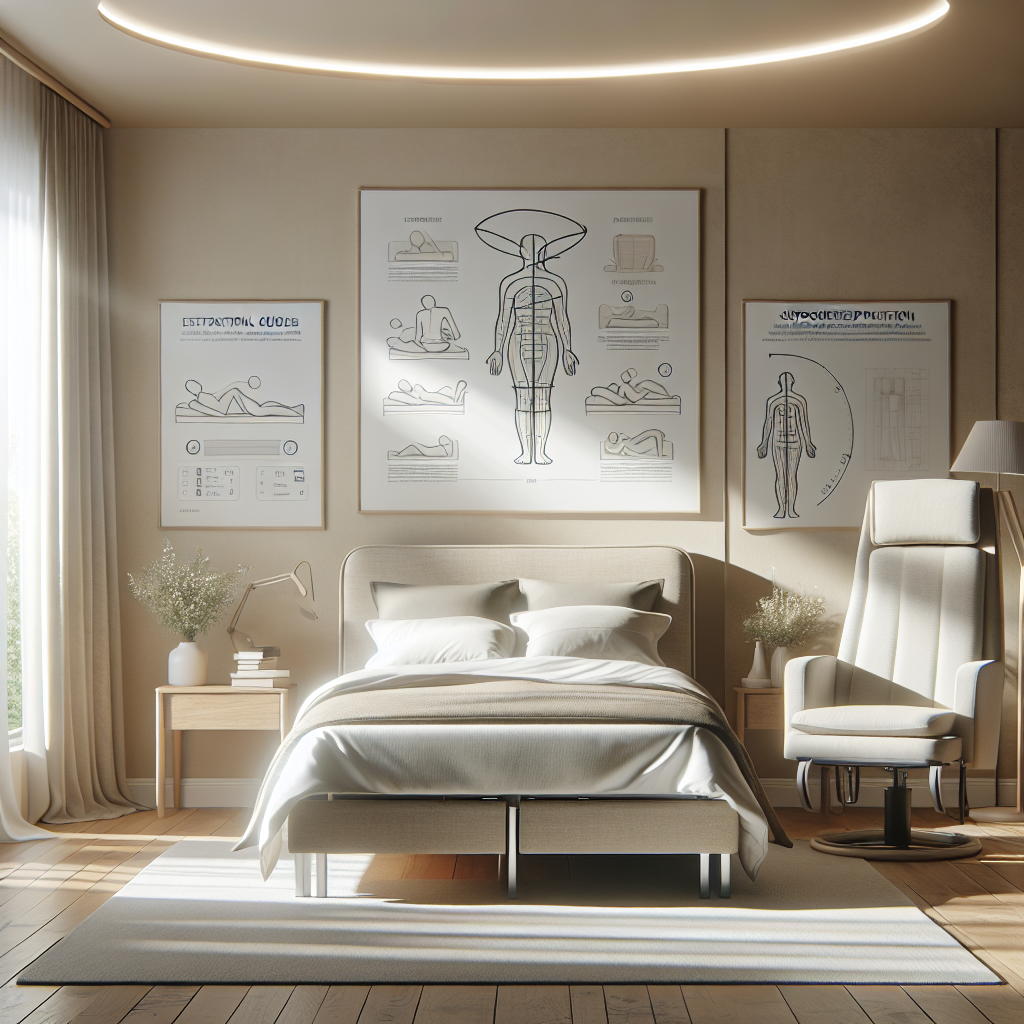
ALS is a progressive neurodegenerative disease that affects motor neurons in the brain and spinal cord, leading to muscle weakness and atrophy. As the disease progresses, individuals may experience difficulty in movement, breathing, and even swallowing. These challenges can majorly disrupt sleep patterns, making it difficult to find comfort during the night.
People with ALS often face issues such as muscle cramping, joint stiffness, and respiratory difficulties. Consequently, finding the right sleep position is essential to address these challenges effectively.
Importance of ALS Sleep Position
Correct sleep positioning in ALS is crucial for:
– Pressure Relief: By distributing body weight evenly, appropriate sleep positions minimize pressure on vulnerable areas like the hips, shoulders, and heels, which can help prevent bedsores.
– Breathing Support: Proper alignment can facilitate breathing by reducing pressure on the diaphragm and lungs, especially in advanced stages of ALS when respiratory muscles weaken.
– Muscle Relaxation: Efficient positioning helps alleviate muscle tension and spasms, fostering more restful sleep.
– Enhanced Comfort: Customizing the sleep environment to suit individual needs can increase comfort and overall sleep quality.
Optimal Sleep Positions for ALS
Finding an optimal ALS sleep position involves trial and refinement, catering to the individual’s progression and specific needs. Several positions offer distinct benefits:
Side Sleeping Position
Sleeping on one’s side is often recommended for individuals with ALS due to its benefits in facilitating breathing and preventing pressure sores. When sleeping in this position, consider the following:
– Use of Pillows: Placing a supportive pillow between the knees can maintain spinal alignment and prevent pressure on the lower back and hips.
– Upper Body Elevation: Raising the head and shoulders slightly with adjustable pillows can aid in better breathing.
Semi-Fowler’s Position
This position involves lying in a supine position with the head of the bed elevated 30 to 45 degrees. It supports breathing and reduces the risk of aspiration for those who face swallowing difficulties. Benefits include:
– Reduced Risk of Aspiration: Elevated head positioning minimizes the chance of food or fluid entering the respiratory tract.
– Respiratory Improvement: Alleviates pressure on the diaphragm, facilitating easier breathing.
Prone Position
Though less commonly used, lying face down can sometimes alleviate pressure on the lungs. It requires close monitoring and specialized equipment to ensure safe application.
– Pressure Distribution: Helps in redistributing pressure across the frontal aspects, sometimes beneficial for respiratory relief.
Tips for Enhancing Sleep Comfort
In addition to selecting a suitable ALS sleep position, several strategies can help improve overall sleep quality:
– Mattress Selection: Opt for a mattress providing ample support and pressure relief. Memory foam or hybrid mattresses are popular choices, offering contouring properties to enhance comfort.
– Regular Repositioning: Change positions periodically to prevent pressure sores and ensure continuous comfort throughout the night.
– Utilize Adaptive Devices: Incorporate items such as mattress overlays, specialized beds, or adjustable bed frames to assist in position adjustments.
– Professional Guidance: Consulting with occupational or physical therapists ensures personalized recommendations cater to the individual’s evolving needs.
Pressure Relief: A Key Component
Providing effective pressure relief is pivotal in managing comfort and health for those with ALS:
– Support Surfaces: Specialized cushions, pads, and mattresses designed to reduce pressure are vital, especially when maintaining a singular position for extended periods.
– Routine Skin Checks: Regular monitoring helps prevent pressure ulcers, ensuring skin integrity remains intact.
– Equipment Maintenance: Ensure all supportive devices used, such as cushions and beds, remain in optimal condition for reliability and efficiency.
Conclusion
Adapting to the right ALS sleep position is an ongoing journey that requires understanding, patience, and sometimes a little trial and error. By recognizing individual needs and utilizing appropriate strategies, quality sleep is attainable, alleviating discomfort and enhancing daily life.
For those navigating the complexities of ALS and seeking expert advice, we encourage you to reach out about your ALS and Real Water case. Explore more valuable information on managing ALS on our blog page. If immediate help is needed, feel free to call us at 702-385-6000.
References
– Mayo Clinic: Amyotrophic Lateral Sclerosis (ALS)
– ALS Association: Sleeping Well with ALS
– Healthline: Sleeping Positions for Better Sleep