ALS Technology Aids: Transforming Lives Effortlessly
ALS technology aids are revolutionizing the daily lives of individuals diagnosed with amyotrophic lateral sclerosis, offering newfound independence and enhanced quality of life. This neurodegenerative disease, commonly known as Lou Gehrig’s disease, affects nerve cells in the brain and spinal cord, leading to loss of muscle control. However, advances in technology are providing innovative solutions that empower those with ALS to maintain autonomy and engage more fully with the world around them.
Understanding ALS and Its Challenges
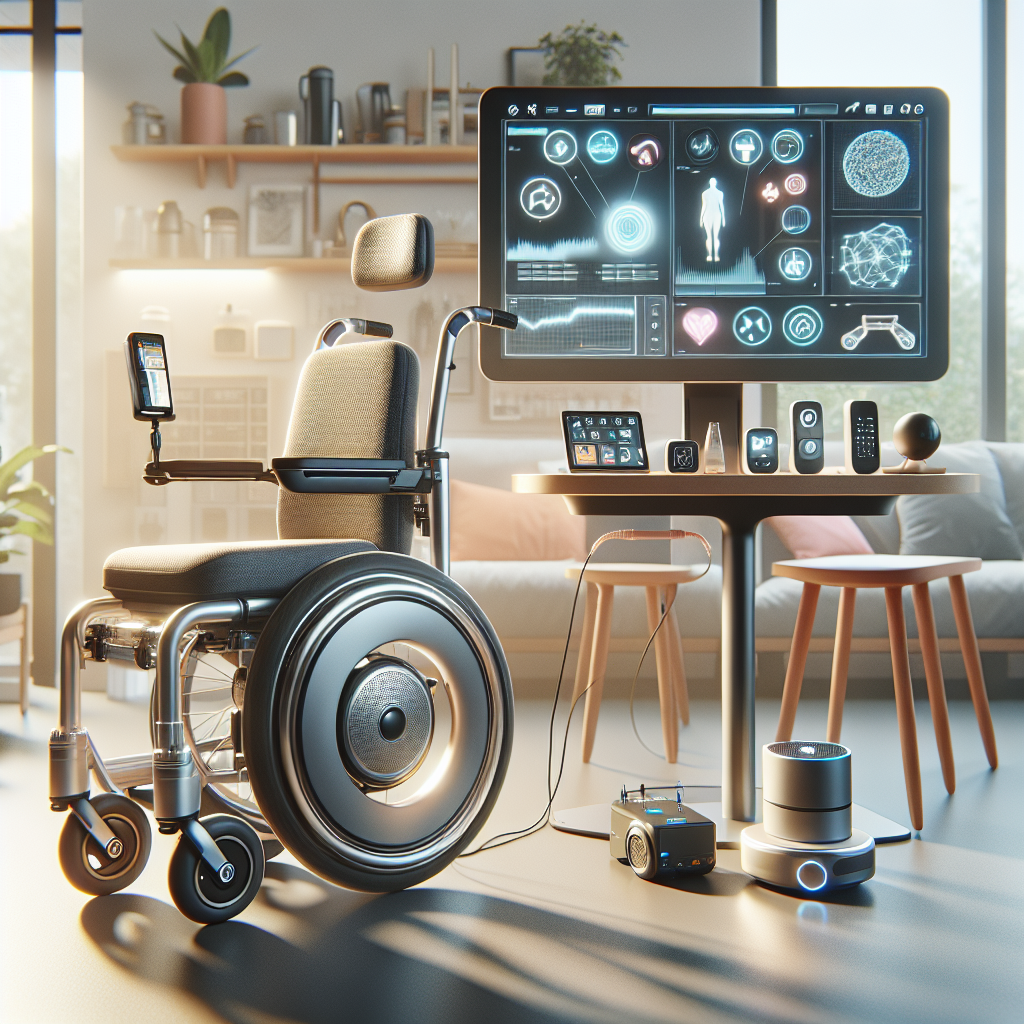
To appreciate the significance of ALS technology aids, it is crucial to understand the disease’s impact. ALS progressively deteriorates motor functions, making everyday activities increasingly difficult. Tasks such as communicating, moving, and even breathing can become challenging, placing immense physical and emotional stress on individuals and their families.
The Role of Technology in ALS
Technological advancements have become a beacon of hope for ALS patients. Through cutting-edge developments, individuals can communicate, navigate environments, and perform tasks they once thought impossible. The integration of these technologies into daily life can dramatically transform experiences, fostering independence and improving quality of life.
Key ALS Technology Aids
Communication Devices
Communication is often one of the first areas where patients seek assistance. Modern AAC (Augmentative and Alternative Communication) devices facilitate communication when speech is affected. Eye-tracking technology and speech-generating devices allow individuals to express themselves, participate in conversations, and maintain social connections.
Eye-Tracking Technology
Eye-tracking technology enables users to control a computer or tablet using only their eyes. This non-intrusive method allows for seamless navigation and communication, providing a lifeline for those unable to speak.
Speech-Generating Devices
Speech-generating devices convert typed text or selected images into speech. These tools offer a voice to individuals who have lost their ability to speak, ensuring they remain an active part of their community.
Mobility Solutions
Maintaining mobility is another crucial aspect of fostering independence for those with ALS. Various aids have been developed to address mobility challenges.
Power Wheelchairs
Modern power wheelchairs are tailored to meet the specific needs of ALS patients. They provide ease of movement and can be equipped with advanced features like adjustable seating, tilt-in-space functionality, and customized controls, ensuring comfort and functionality.
Robotic Assistance
Robotic technologies, such as exoskeletons, provide support to weakened muscles, aiding in walking and performing daily tasks. These innovative solutions help extend the time patients remain mobile and self-sufficient.
Enhancing Independence Through Home Automation
ALS technology aids extend beyond communication and mobility. Home automation systems allow for control over various home aspects, empowering individuals to manage their environments efficiently.
Smart Home Devices
Smart home devices integrate seamlessly into existing setups, allowing control over lighting, temperature, and security systems through voice commands or mobile apps. These devices are vital in creating a more accessible and comfortable living environment.
Adaptive Technologies
Adaptive technologies include specialized utensils, adjustable furniture, and door openers designed to reduce physical strain. Their integration into daily life can significantly enhance comfort and independence.
Emotional and Psychological Benefits
Beyond physical aids, technology also contributes to the emotional well-being of individuals with ALS. The ability to communicate effectively, stay mobile, and control one’s environment fosters a sense of empowerment and reduces feelings of isolation and dependency.
Staying Connected
Maintaining social connections is vital for mental health. By utilizing technology, ALS patients can engage in social media, video calls, and online communities, ensuring they remain connected with loved ones and support networks.
Empowerment and Self-Esteem
Regaining control and independence through technology boosts self-esteem and motivation. When individuals can leverage these tools to participate in everyday activities, it enhances their sense of purpose and overall happiness.
The Future of ALS Technology Aids
The future of ALS technology aids is promising, with continuous research and innovation driving new developments. Artificial intelligence, machine learning, and advanced robotics are expected to offer even more sophisticated solutions, further enhancing independence for ALS patients.
Emerging Trends
– Brain-Computer Interfaces (BCIs): BCIs are being developed to allow direct communication between the brain and external devices, offering possibilities for control over computers and other equipment without physical input.
– AI-Powered Assistants: The integration of AI into assistive devices promises smarter, more intuitive interactions, learning user preferences over time to offer personalized support.
– Enhanced Wearables: Wearable technology is evolving to provide real-time health monitoring and alerts, offering peace of mind for users and their families.
Conclusion
ALS technology aids are transforming medical care and everyday living for those affected by the disease, promoting independence and enhancing overall well-being. Through continuous advancements, individuals with ALS can look forward to living more empowered and fulfilling lives.
Do you or a loved one need assistance with navigating ALS and related legal cases? Don’t hesitate to reach out through our contact page. For more insightful articles on related topics, visit our blog page. If you need immediate support, call us at 702-385-6000.
References
– Mayo Clinic
– ALS Association
– National Institute of Neurological Disorders and Stroke