ALS Veterans: Must-Know Safety Tips to Avoid Risks
ALS veterans face unique challenges, and understanding risk factors is crucial for their safety and well-being. Living with ALS can be a daunting journey, but with the right strategies, veterans can manage the risks effectively. In this article, we will explore the essential safety tips every veteran should know to improve their quality of life and maintain their independence for as long as possible.
Understanding ALS and Its Impact
Amyotrophic Lateral Sclerosis (ALS) is a progressive neurodegenerative disease that affects nerve cells in the brain and spinal cord. For veterans, the impact can be particularly profound, potentially affecting mobility, communication, and daily functioning. The journey with ALS is different for each individual, making personalized strategies essential.
Key Risk Factors for ALS Veterans
Knowing the risk factors is a huge step towards managing ALS effectively. Here’s a closer look at some particular considerations:
1. Military Service-Related Exposure: Veterans might have been exposed to environmental hazards that increase the likelihood of developing ALS. Studies suggest a higher incidence among those who served in the Gulf War due to exposure to toxins or other environmental factors.
2. Physical Demands: The physical demands of military service sometimes lead to injuries that become risk factors. For veterans living with ALS, previous injuries can exacerbate mobility issues as the disease progresses.
3. Age and Genetics: Although anyone can develop ALS, certain genetic patterns and age brackets might make veterans more susceptible to the condition.
4. Lifestyle Choices: Smoking, excessive alcohol consumption, and unbalanced diets can escalate risks significantly. Lifestyle modifications can play a critical role in mitigation.
Safety Tips for ALS Veterans
Home Safety Enhancements
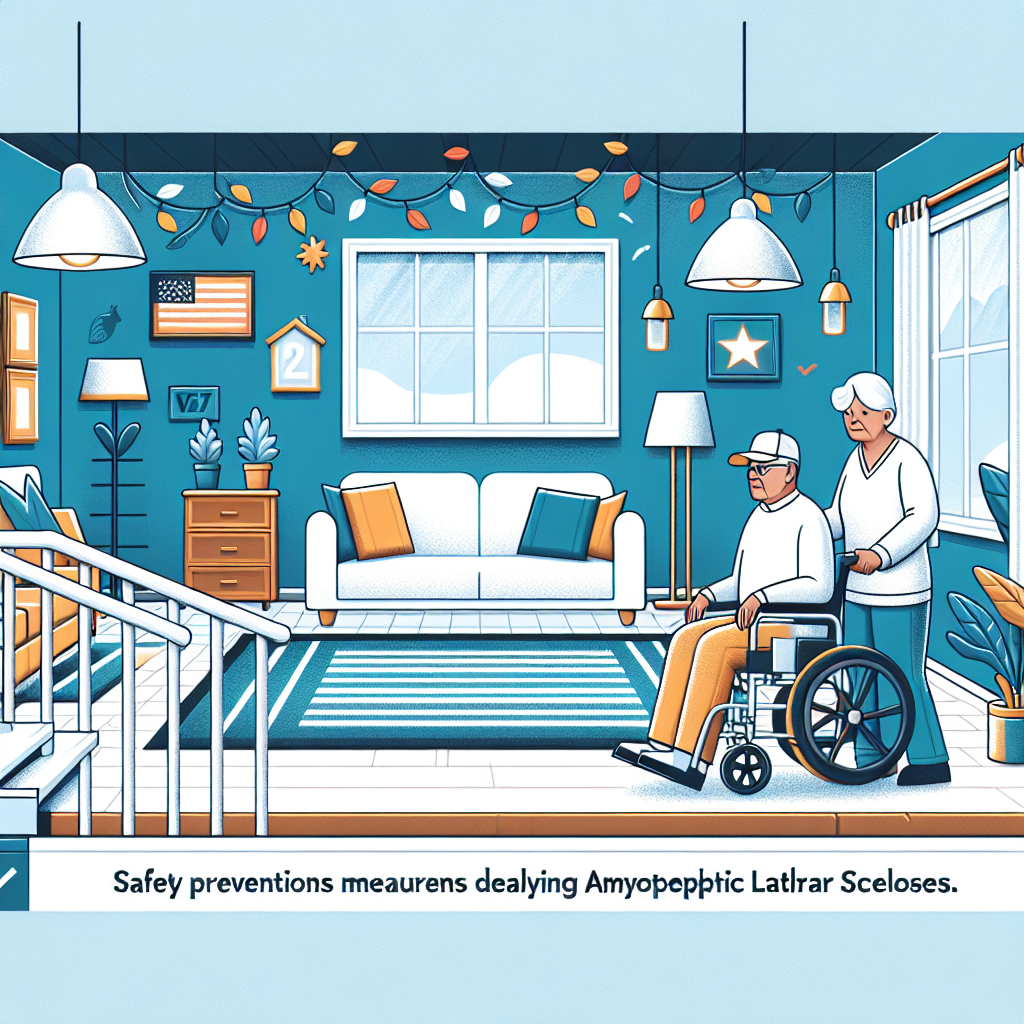
1. Modify Living Spaces: Adaptations such as ramps, handrails, and stairlifts can be vital. Clearing clutter and ensuring wide paths can significantly reduce the risk of falls.
2. Install Assistive Devices: Technology can be a powerful ally. Devices like voice-activated home assistants and automated lighting can make daily tasks much more manageable.
3. Bathroom Safety: Non-slip mats, shower seats, and grab bars can provide stability and independence. Consider installing a raised toilet seat to make the bathroom more accessible.
Health and Wellness
1. Physical Therapy: Regular sessions with a physical therapist can help maintain muscle strength and function. Tailored exercises can aid in managing stiffness and improving mobility.
2. Occupational Therapy: An occupational therapist can offer valuable techniques and tools to carry out daily tasks, ensuring safety and independence.
3. Balanced Nutrition: Ensure a nutritious diet fortified with essential vitamins and minerals. Consulting with a nutritionist specializing in neurodegenerative diseases can provide personalized advice.
4. Hydration: Staying hydrated is crucial. Establishing a daily fluid intake schedule can help manage hydration levels effectively.
Emotional and Mental Well-being
1. Support Networks: Connecting with fellow veterans and ALS support groups can provide emotional support. Sharing experiences can be incredibly therapeutic and provide practical tips.
2. Psychological Support: Accessing services from a mental health professional experienced in chronic illness can help manage the emotional toll of ALS.
3. Mindfulness Practices: Incorporate activities like meditation and yoga as part of the daily routine. Such practices can enhance emotional resilience and improve physical flexibility.
Travel and Mobility
1. Mobility Aids: Using wheelchairs or scooters tailored to individual needs can enhance independence without risking safety.
2. Accessible Travel Planning: When traveling, whether for leisure or medical appointments, plan ahead to ensure all locations are accessible. Alert transportation services ahead of time regarding any special needs.
3. Emergency Preparedness: Always have a plan in place for emergencies. Make sure emergency contacts are up-to-date and that loved ones are aware of evacuation or contingency plans.
Technology and Communication
1. Communication Devices: For those experiencing speech difficulties, speech-generating devices can provide a vital communication link.
2. Online Resources: Leverage online platforms offering virtual support groups and ALS resources. The internet can be an invaluable tool for staying informed and connected.
3. Educational Material: Keep abreast of new studies and advancements in ALS treatment and care. Knowledge is a potent weapon against feelings of helplessness.
Ensuring Personalized Care
Every ALS journey is unique, which means safety tips must be tailored to the individual’s specific needs and conditions. Regular consultations with healthcare providers can help identify potential risks and adjust care plans accordingly.
Conclusion
ALS veterans navigate a challenging landscape, but with proper awareness and strategic planning, risk management becomes achievable. It’s important to implement safety tips while actively engaging with resources that support both physical and emotional well-being. Encouraging an environment of proactive care can make living with ALS a manageable experience.
For those seeking to address specific concerns or needing more assistance, feel free to reach out regarding ALS and Real Water cases by contacting us via the links to the contact page located in “/contact”. Expand your understanding by reading more articles on our blog page located in “/blog”. For immediate assistance, please call us using the call link to “702-385-6000”.