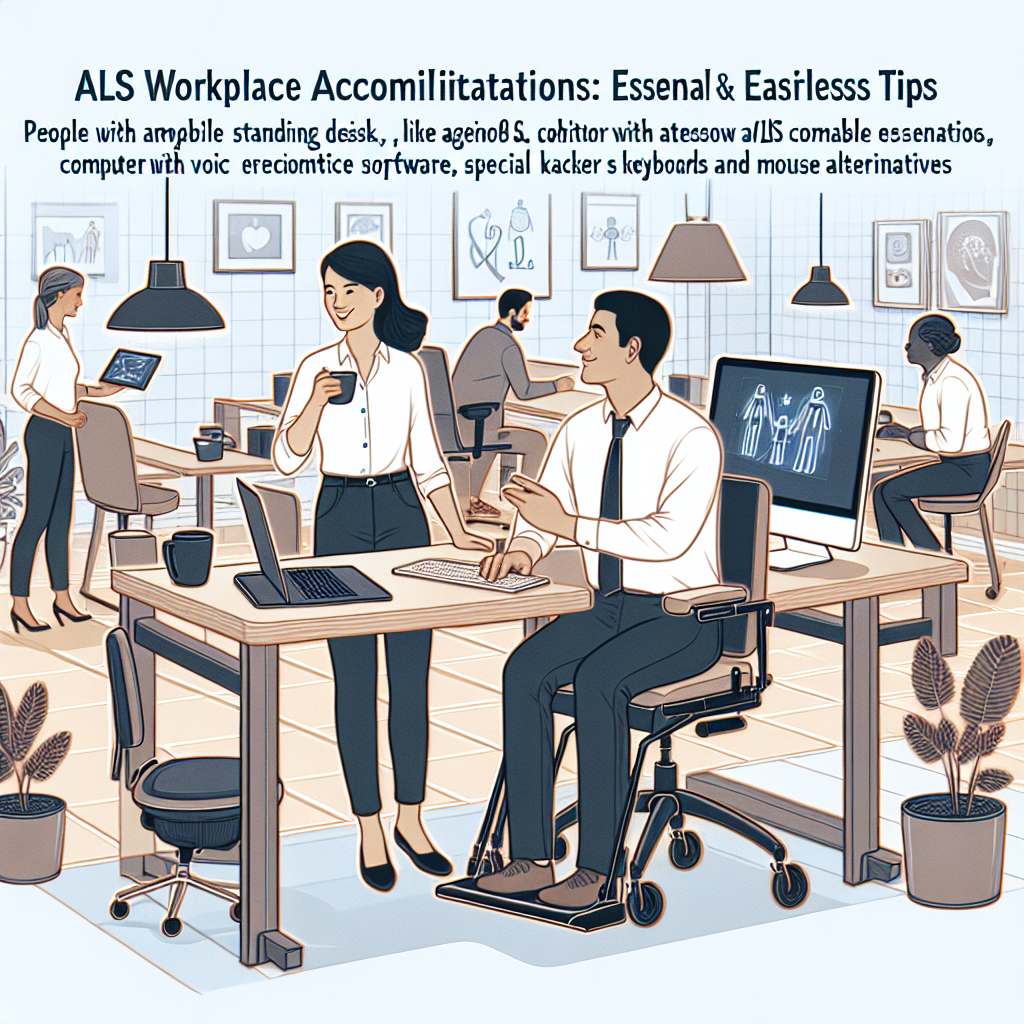
ALS Workplace: Essential Accommodations & Effortless Tips
Living with ALS, or Amyotrophic Lateral Sclerosis, brings daily challenges, especially in professional settings. Understanding what accommodations are necessary in the workplace can make a significant difference for those affected. In this article, we’ll explore key facts, discuss effective strategies, and provide practical tips to create a supportive environment.
Understanding ALS and Its Impact
ALS is a progressive neurodegenerative disease affecting nerve cells in the brain and spinal cord. As it progresses, it can lead to the loss of muscle control, affecting daily functions. For many individuals, continuing to work can be essential for maintaining a sense of normalcy and financial stability. Recognizing the importance of supportive workplace strategies is crucial to ensuring individuals with ALS can maintain productive careers.
Key Considerations for ALS Workplace Accommodations
When devising ALS workplace accommodations, it’s important to focus on individualized needs. Here are some aspects employers and employees should consider:
1. Communication: Open dialogue between the employee and employer is vital. Understanding specific needs and limitations helps in crafting effective solutions. Regular check-ins maintain a proactive approach.
2. Flexibility: Creating a flexible work schedule can greatly reduce stress. This might include options for remote work, modified duties, or part-time hours.
3. Ergonomic Adjustments: Implementing ergonomic solutions such as adjustable desks, supportive seating, and specialized computer equipment can alleviate physical strain.
4. Assistive Technology: Leveraging technology can enhance productivity. Devices such as speech recognition software or adapted keyboards can make a significant difference.
5. Physical Environment: Ensuring barrier-free access to the workplace is essential. Wider doorways, ramps, and accessible restrooms should be part of the infrastructure.
6. Training and Awareness: Educating coworkers about ALS fosters an understanding and supportive work environment. Awareness can reduce misunderstandings and promote empathy.
Implementing Effective Strategies
Crafting a supportive ALS workplace environment demands a thoughtful, well-planned approach. Here’s how to implement these accommodations effectively:
1. Conduct an Individual Needs Assessment: Tailor accommodations based on the specific challenges faced by the employee. Consult with occupational therapists or specialists for professional assessments.
2. Develop a Plan: Based on the assessment, create a structured plan outlining necessary changes and potential resources.
3. Leverage Resources: Utilize available resources like vocational rehabilitation services or support organizations to gain additional assistance and perspectives.
4. Inclusivity Training for Staff: Organize workshops and training sessions to promote inclusivity and sensitivity towards those with ALS. This can help in building a supportive community within the organization.
5. Regular Reviews: Periodically review plan effectiveness and make necessary adjustments. A flexible approach ensures accommodations evolve with the employee’s needs.
Overcoming Challenges in Accommodations
Despite the best intentions, challenges can arise. Address these proactively:
– Financial Constraints: While some accommodations may incur costs, many adjustments have minimal financial implications. Employers can seek tax incentives or grants that may be available for workplace modifications.
– Resistance to Change: Some may resist new processes. Addressing concerns through transparent communication and demonstrations of the benefits can bring everyone on board.
– Technical Difficulties: Introducing new technology may come with a learning curve. Support should be available, whether through training sessions or IT assistance.
Benefits of ALS Workplace Accommodations
Implementing effective accommodations benefits not only the employee but the organization as a whole. Here’s how:
1. Improved Productivity: Comfortable work conditions enable employees to contribute effectively, improving overall productivity.
2. Employee Retention: Demonstrating a commitment to employee wellbeing fosters loyalty and reduces turnover rates.
3. Positive Workplace Culture: Supporting colleagues in need builds a more empathetic, inclusive work culture, enhancing team dynamics.
4. Legal Compliance: Accommodating employees aligns with legal obligations and demonstrates a socially responsible dedication to equity and inclusion.
The Role of Employers and Coworkers
An encouraging ALS workplace requires collective efforts. Employers must lead by example, fostering a culture of inclusivity. Coworkers play a supportive role, offering understanding and assistance when necessary. Building a network of support ensures a more seamless integration of accommodations.
Conclusion: Creating a Supportive Workplace
Aligning workplace practices to support employees with ALS is both a moral responsibility and an opportunity to enrich the work environment. Implementing thoughtful, personalized accommodations not only assists those in need but elevates the organization by encouraging an inclusive, caring culture.
Readers looking for more information or needing help with ALS accommodations should reach out through the contact page of the site, explore additional articles in the blog section, or simply call 702-385-6000 for further assistance.