ALS Yoga Meditation: Discover the Transformative Benefits
ALS Yoga Meditation is increasingly recognized as a transformative practice for individuals battling Amyotrophic Lateral Sclerosis (ALS). This progressive neurodegenerative disease affects the nerve cells responsible for controlling voluntary muscles. As traditional treatments typically focus on slowing progression rather than providing a cure, many are turning to holistic practices like yoga and meditation. These methods offer a complementary approach to managing symptoms by enhancing overall well-being, improving mental clarity, and reducing stress.
Understanding ALS and the Role of Mindfulness
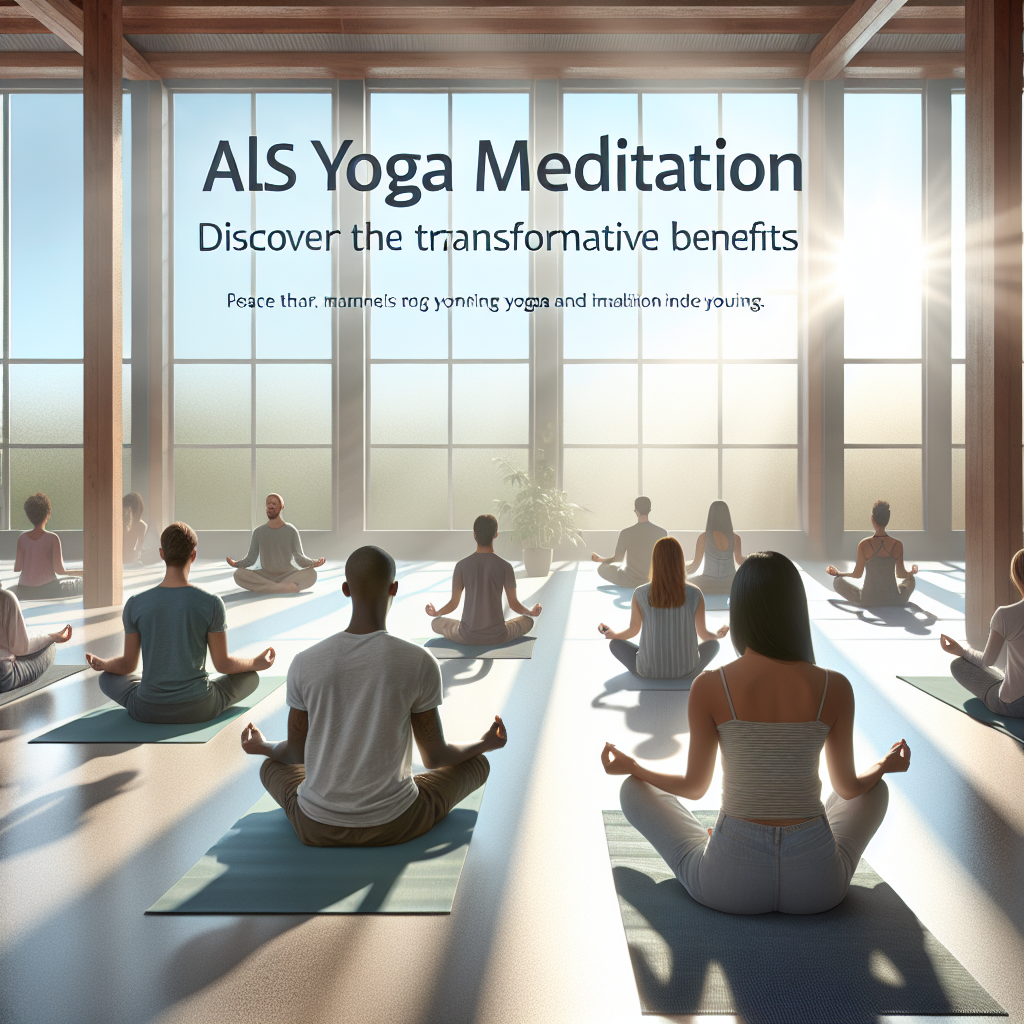
Mindfulness is a mental practice inviting individuals to be present and fully engaged in the moment. Especially for those facing chronic illnesses, mindfulness can be a powerful tool. Through techniques such as breath awareness and guided meditations, mindfulness helps individuals cope with anxiety and depression, common among ALS patients.
Yoga and meditation emphasize mindfulness by encouraging a connection between body and mind. They allow ALS patients to focus on what they can control, fostering a sense of empowerment.
The Benefits of ALS Yoga Meditation
Physical Benefits
Although ALS primarily affects muscle control, maintaining physical activity is crucial. Yoga can provide gentle stretching and strengthening exercises that accommodate varying levels of mobility:
– Flexibility and Mobility: Practicing yoga enhances flexibility, which may ease muscle stiffness and improve mobility.
– Breath Control: Breathwork in yoga (pranayama) enhances lung capacity and oxygen circulation, supporting respiratory health.
– Balance and Coordination: Meditation and gentle yoga poses improve balance and coordination, essential for daily activities.
Mental and Emotional Well-being
ALS can significantly impact emotional health, leading to feelings of helplessness and frustration. Yoga meditation provides numerous mental health benefits:
– Stress Reduction: Engaging in regular meditation reduces physiological stress markers, promoting relaxation.
– Improved Mood: Yoga stimulates the release of endorphins, improving mood and alleviating symptoms of depression.
– Increased Focus: Mindfulness practices enhance concentration, fostering a positive outlook.
Social Connection and Support
Joining yoga classes, whether online or in person, allows individuals to connect with others facing similar challenges. This community aspect can be uplifting and inspiring:
– Shared Experiences: Group classes encourage sharing and understanding, reducing feelings of isolation.
– Support Networks: Engaging with peers provides a support system, inspiring hope and resilience.
Mindfulness Techniques for ALS
Understanding ALS Yoga Meditation requires exploring mindfulness techniques that are particularly beneficial for those dealing with ALS:
Guided Meditation
This practice involves following a narrator through a series of mental images or prompts, designed to calm the mind. For ALS patients, the focus is often on relaxation, peace, and emotional stability.
Body Scan Meditation
Involves focusing on each part of the body beginning from the toes to the head. This promotes awareness of physical sensations and helps patients relax areas of tension, vital for those experiencing muscle stiffness.
Pranayama
This form of controlled breathing enhances respiratory function and calms the nervous system. It can be tailored to suit the breathing capacity of individuals with ALS.
How to Start ALS Yoga Meditation
There are several ways to embark on a journey with ALS Yoga Meditation:
– Consult a Professional: Seek guidance from a yoga therapist familiar with ALS to ensure exercises are suitable and safe.
– Use Online Resources: Numerous online platforms offer classes specifically tailored to individuals with ALS.
– Personalize Practice: Modify poses and meditation techniques based on individual abilities and preferences.
Making Yoga and Meditation a Habit
Consistency is key in reaping the benefits of yoga and meditation. Here are some tips to make it a regular part of life:
– Start Small: Begin with short sessions, gradually increasing the duration as comfort levels rise.
– Set a Routine: Allocate specific times of the day for practice to establish a consistent routine.
– Stay Patient: Progress might be slow, but persistence is integral to experiencing long-lasting benefits.
Call to Action
ALS Yoga Meditation presents an inspiring way to improve quality of life amidst the challenges of ALS. Those curious to learn more or wishing to integrate these practices into their daily routine can explore additional resources.
Reach out about your ALS and Real Water case through the realwateralsinfo.com website’s contact page. Discover more related content on the realwateralsinfo.com website’s blog page. For immediate assistance, call 702-385-6000.
References
– ALS Association
– National Center for Complementary and Integrative Health
– Mayo Clinic
– National Institute of Neurological Disorders and Stroke