Understanding Cyanotoxins: Stunning Link to Increased ALS Risks
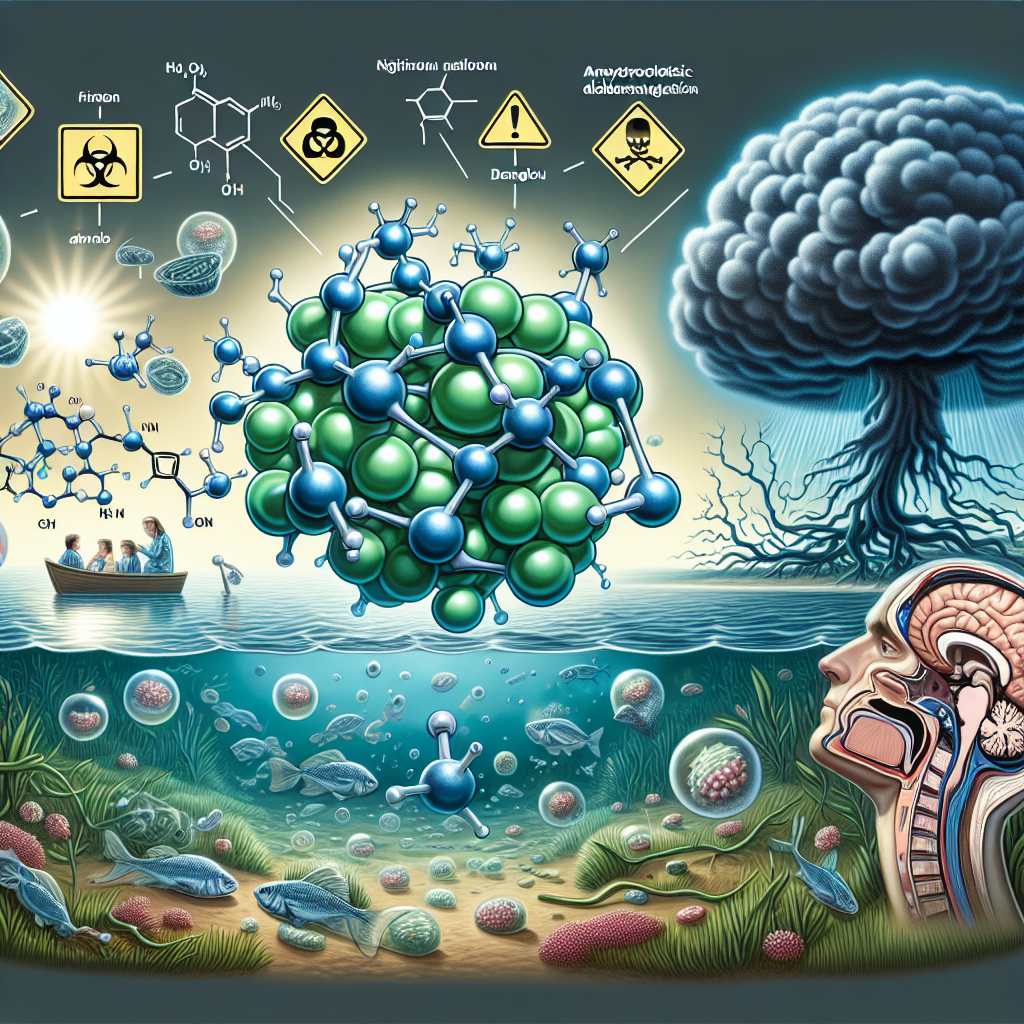
Cyanotoxins, potent toxins produced by harmful algal blooms (HABs), have recently emerged as significant contributors to environmental health concerns. Widely distributed in freshwater and marine environments, these natural compounds have stirred alarm among researchers due to their potential link to neurodegenerative diseases, notably ALS (Amyotrophic Lateral Sclerosis). As exploration into these connections intensifies, it becomes crucial to understand cyanotoxins and their potential impact on neurological health.
What Are Cyanotoxins?
Cyanotoxins are toxins produced by specific species of cyanobacteria, commonly known as blue-green algae. These microorganisms are often found in nutrient-rich waters. Factors like sunlight, warm temperatures, and excess nutrients from agricultural runoff can stimulate the growth of cyanobacteria, leading to the formation of harmful blooms. The toxins released during these blooms can be categorized into several types, including microcystins, anatoxin-a, and saxitoxins, each with distinct modes of action and health implications.
The Role of Cyanotoxins in Neurodegeneration
The connection between cyanotoxins and neurodegeneration, particularly ALS, has become a focal point in scientific inquiries. Studies have suggested that long-term exposure to these toxins could accelerate neurodegenerative processes. Neurodegeneration involves the progressive loss of structure or function of neurons, leading to various debilitating conditions.
Bouillaud et al. (2018) highlighted a geographical correlation between areas with significant cyanobacterial blooms and increased incidents of ALS. Such findings have spurred interest in investigating how these environmental toxins influence neuronal health.
How Cyanotoxins Affect the Human Body
Cyanotoxins pose a myriad of health risks beyond their potential neurodegenerative effects. When these toxins contaminate water supplies, they can cause acute and chronic effects. Symptoms of exposure include skin irritation, gastrointestinal discomfort, and liver damage. In severe cases, exposure can be fatal.
When considering neurological health, cyanotoxins may interact with neuronal cells in ways that precipitate or exacerbate degenerative conditions. The precise mechanisms remain under study, but prevailing theories suggest that cyanotoxins may disrupt cellular functions and promote oxidative stress, leading to neuron damage.
Environmental Factors and Cyanotoxin Production
The production and proliferation of cyanotoxins are intrinsically linked to environmental conditions. Eutrophication, driven by nutrient-rich runoff from agriculture, urbanization, and inadequate wastewater treatment, plays a pivotal role in promoting algal blooms. Climate change further exacerbates these conditions by increasing water temperatures and altering precipitation patterns, creating ideal conditions for cyanobacteria to thrive.
Monitoring and Mitigating Cyanotoxin Exposure
Given their potential health risks, monitoring cyanotoxin levels in water bodies has become a priority for environmental and public health agencies. Technologies such as remote sensing and in-situ testing have improved the ability to detect HABs. Preventive measures include controlling nutrient inputs into water bodies and establishing guidelines for safe drinking water standards.
Moreover, public education campaigns are essential for raising awareness of the risks associated with HABs and personal exposure. Reducing recreational activities in affected waters and ensuring proper treatment of drinking water are practical steps to minimize risk.
Research and The Road Ahead
Ongoing research seeks to unravel the nuances of cyanotoxin exposure and its implications on human health, particularly its role in neurodegeneration. Developing treatment and prevention strategies requires a multidisciplinary approach, integrating environmental science, neurology, and public health.
Recent Case Studies: Link Between Cyanotoxins and ALS
Several case studies have begun to illustrate the potential direct or indirect links between cyanotoxin exposure and ALS. For instance, regions with persistent HABs have seen higher than average incidences of neurodegenerative diseases, supporting the theory that these environmental toxins could play a role in disease manifestation.
Conclusion
As understanding deepens around the complex interplay between cyanotoxins and neurological health, the need for comprehensive management and legislative frameworks becomes evident. Communities, especially those in proximity to susceptible water bodies, must remain vigilant.
For individuals concerned about cyanotoxin exposure and ALS risk, staying informed and proactive is crucial. If you or a loved one has concerns about ALS or recent case developments regarding Real Water, please reach out through our contact page at “/contact”. For further reading, visit the blog at “/blog”, or call us directly at 702-385-6000 for more personalized assistance.