Real Water Nevada: Operations & Liver Damage Insights
Real Water Nevada, a brand once synonymous with innovation in the bottled water industry, has faced intense scrutiny over the past years. Its journey, marred by controversy and legal battles, has captured public attention, particularly due to allegations linking its product to severe health issues, including liver damage. This article takes a deep dive into the operations of Real Water Nevada and the shocking revelations surrounding the brand.
Real Water Nevada: Operations Under the Spotlight
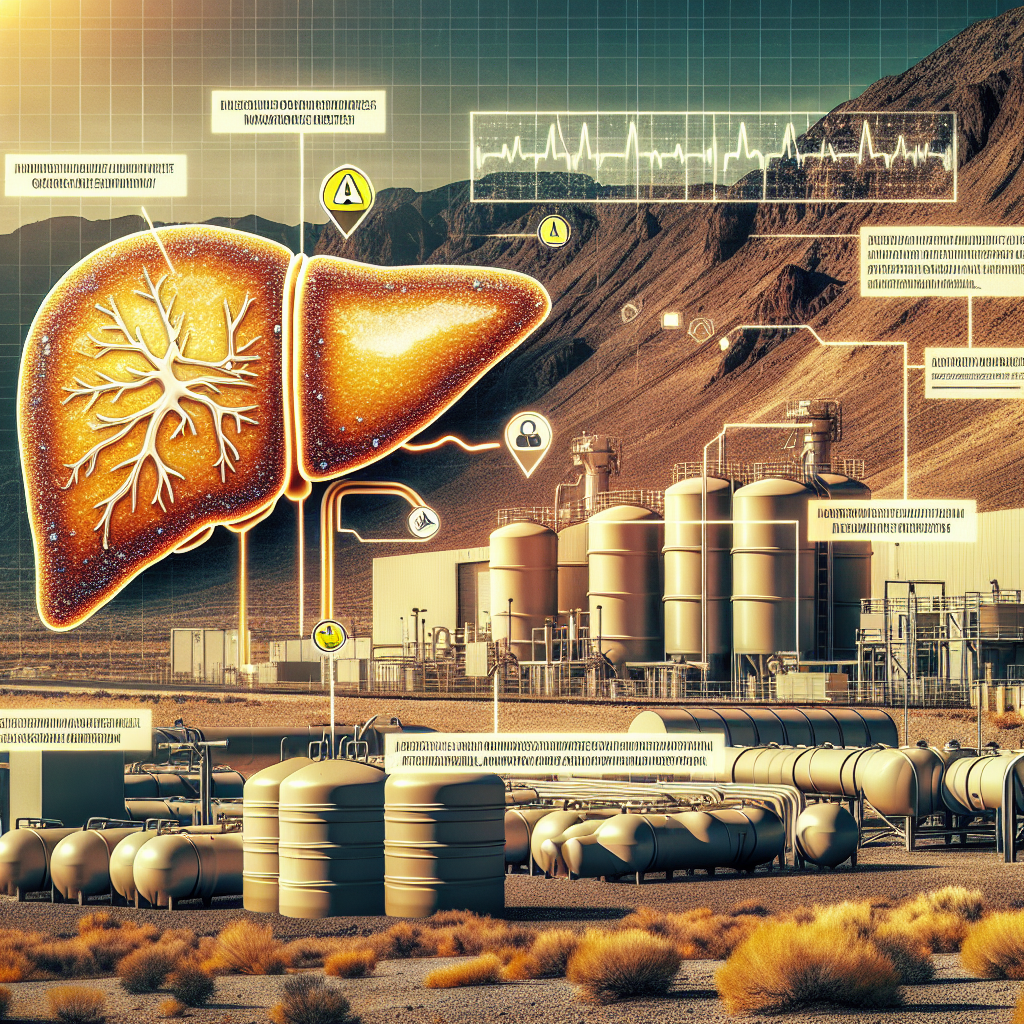
The company, based in Nevada, initially made headlines with its unique selling proposition: water enhanced with a proprietary alkalizing technology purported to offer multiple health benefits. Claiming to harness “negative ionization,” the water promised improved hydration and detoxification benefits that appealed to health-conscious consumers. However, the allure of these claims began to wane as questions about the company’s operations surfaced.
Hidden behind its high-tech marketing façade were operational procedures that have since raised alarm bells. Reports indicated inadequate oversight and possible lapses in regulatory compliance. These operational shortcomings potentially contributed to the dire health consequences reported by numerous consumers, leading to a series of lawsuits and investigations.
A Closer Look at Production Practices
The production practices at Real Water Nevada came under fire for several reasons. Insiders familiar with the company revealed instances of minimal quality control and lack of rigorous testing of the water. This absence of stringent checks not only endangered consumer health but also tarnished the brand’s credibility.
It became apparent that the claims of purity and health benefits were not backed by scientific validation. The brand’s marketing heavily relied on supposed superior processes, yet the realities inside the production facilities told a different story. Employees reported inconsistent adherence to safety protocols, which could have contributed to the contamination risks that eventually led to adverse health effects.
Consumer Reports and Health Impact
The health concerns associated with Real Water first emerged publicly when consumers began reporting symptoms resembling liver damage. Symptoms such as fatigue, nausea, and abdominal pain led many to seek medical attention, with some cases deemed severe. Consequently, the Centers for Disease Control and Prevention (CDC) and the Food and Drug Administration (FDA) launched investigations into the company’s practices.
The results were startling. While direct causation between the water and liver damage was complex to establish, the investigations confirmed severe irregularities in the manufacturing process that could have posed significant health risks. The failure to maintain sanitary conditions and ensure product consistency was a primary concern highlighted by regulatory bodies.
Legal Ramifications and Responses
Real Water Nevada faced an avalanche of legal challenges following these revelations. Class-action lawsuits and individual cases flooded the legal system, demanding accountability for the alleged health impacts. The company, facing mounting pressure, issued recalls and public apologies, promising to review and rectify their production processes.
Legal experts cited the case as an example of the critical need for stringent regulatory oversight in the food and beverage industry. This case not only highlighted operational malpractice but also underscored the importance of consumer rights and corporate responsibility.
Industry Implications
The debacle served as a wake-up call for the broader bottled water industry. It emphasized the necessity for transparency and honesty in marketing health-related products. The fallout from Real Water Nevada’s operations reiterated the demand for more rigorous testing and certification processes in the industry.
Moreover, it called into question the effectiveness of current regulatory frameworks and spurred discussions around more stringent safety standards. The industry as a whole was urged to reevaluate its strategies to restore consumer trust and ensure public safety.
Moving Forward
In the wake of the controversy, Real Water Nevada announced changes aimed at preventing future issues. The company pledged to overhaul its operational protocols, implement comprehensive training programs for employees, and engage third-party auditors to ensure compliance with safety regulations. While these measures were steps in the right direction, they also serve as reminders of the damage unchecked operations can cause.
Conclusion
The story of Real Water Nevada is a powerful cautionary tale of the risks inherent in prioritizing profits over people. It serves as a critical reminder of the responsibilities companies have towards their consumers and the environments in which they operate. As the investigations continue and more victims come forward, it’s essential for companies to learn from these mistakes and redefine their standards for the sake of public health and safety.
Readers affected by issues related to Real Water or seeking assistance in their ALS and Real Water case are encouraged to visit the contact page on our site. For further insights and updates on similar topics, explore more articles on our blog page. If immediate help is needed, please call us at 702-385-6000.