TDP43 ALS: Unveiling a Breakthrough in Protein Clearance
TDP43 ALS plays a pivotal role in the conversation about neurodegenerative diseases. Recent scientific advancements suggest significant progress in understanding TDP43, a protein involved in this form of amyotrophic lateral sclerosis (ALS). Discoveries surrounding protein clearance open new doors for potential therapies and hope for patients globally.
Understanding TDP43 ALS
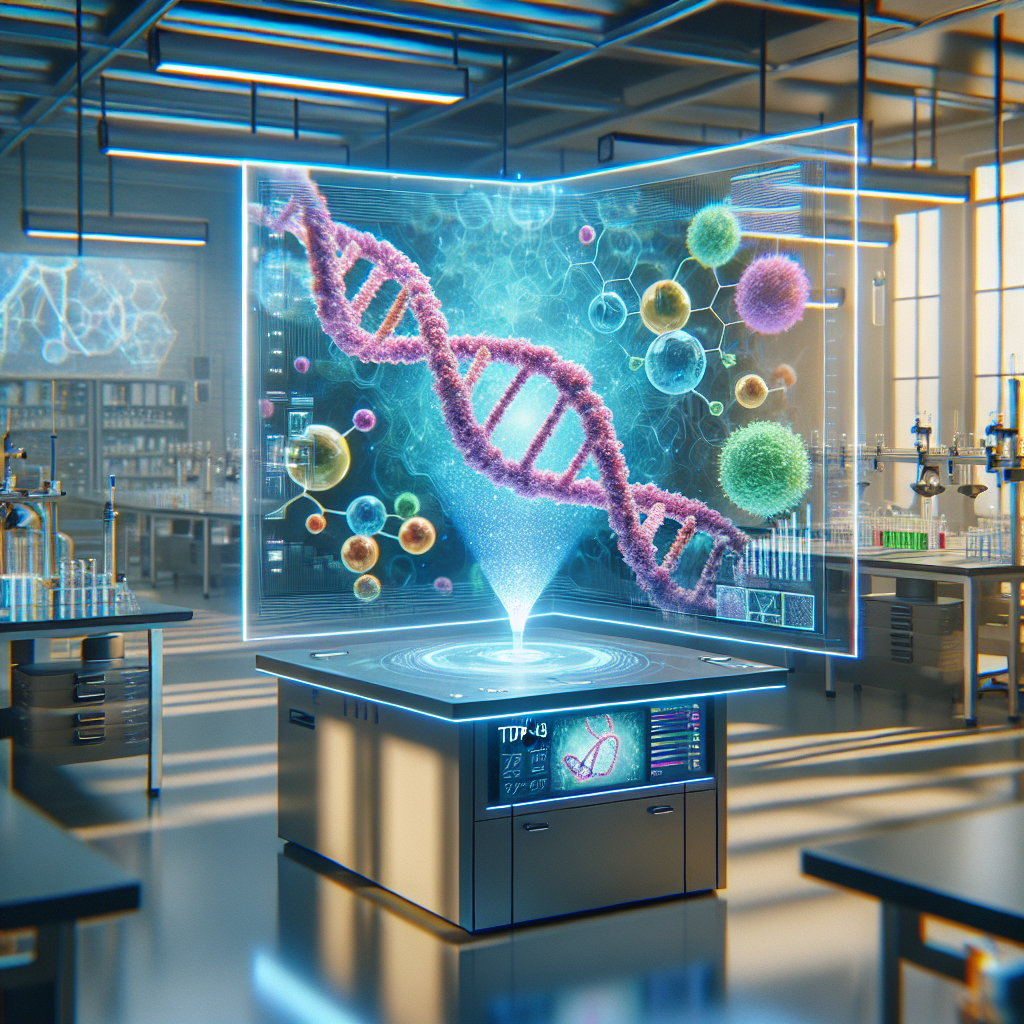
TDP43, or TAR DNA-binding protein 43, is crucial in normal cellular activities including DNA repair and RNA processing. In ALS, this protein misfolds and accumulates, disrupting cellular function and leading to neuronal death. Exploring how TDP43 behaves in ALS could enhance our grasp of the disease and improve therapeutic strategies.
The Science Behind Protein Clearance
Protein clearance is essential for maintaining cellular health by removing damaged or unnecessary proteins. In neurodegenerative disorders, efficient protein clearance mechanisms often become compromised. Enhancing this process can potentially mitigate the buildup of harmful protein aggregations that characterize diseases like ALS.
The Role of TDP43 in Protein Clearance
Research indicates that TDP43 pathology involves both its accumulation and the impaired clearance of related protein aggregates. Investigating methods to enhance the natural clearance mechanisms within cells could offer groundbreaking treatments. Scientists are exploring molecular chaperones and autophagy pathways—cellular processes that naturally clear protein aggregates—for their potential roles in therapeutic interventions.
Recent Breakthroughs in TDP43 ALS Research
Scientists are making significant strides in understanding the mechanisms of TDP43 misfolding and aggregation. Recent studies focus on:
– Gene Therapy: Gene editing tools like CRISPR/Cas9 offer promising avenues for repairing the genetic irregularities linked to TDP43 aggregation.
– Small Molecules: Discovering compounds that can influence protein clearance pathways or stabilize protein structures.
– Pharmacological Strategies: Developing drugs that enhance cellular processes responsible for clearing protein aggregates.
Insights Into Therapeutic Approaches
Enhancing Cellular Protein Clearance
Recent findings emphasize boosting the cell’s natural cleaning systems. Autophagy, a process where cells degrade and recycle their components, can be stimulated using pharmaceutical agents. Enhancing autophagy could potentially prevent TDP43 aggregation, reducing neuronal damage.
Molecular Chaperones
Therapies targeting molecular chaperones—proteins that assist the folding and unfolding of other proteins—show promise. By ensuring proper protein folding and preventing misfolding, these chaperones could be key in TDP43 ALS treatment.
The Impact of Protein Clearance on ALS Treatment
Enhancing protein clearance mechanisms offers groundbreaking potential in ALS therapeutics:
– Symptom Alleviation: Improved clearance slows disease progression, providing symptomatic relief.
– Increased Survival Rates: Therapies targeting protein clearance have prolonged the lifespan in animal models of ALS.
– Cost-efficient Solutions: Non-invasive drug treatments focusing on cellular processes present more accessible solutions for patients.
Looking Ahead: Future Research Directions
Collaborative Efforts
Collaboration among neuroscientists, pharmacologists, and biotechnologists could unveil novel treatment pathways. Sharing data and resources could accelerate the development of effective therapies.
Clinical Trials
Ongoing clinical trials are testing various therapeutic strategies focused on enhancing protein clearance. The outcomes will provide invaluable insights into the viability and effectiveness of these treatments.
Engaging with the TDP43 ALS Community
Understanding TDP43 and protein clearance is crucial in shaping future ALS therapies. Those affected by ALS and interested in learning more are encouraged to explore current research and development trends. Engaging with the ALS community can provide support and valuable insights into managing and treating this condition.
Call to Action
To learn more about how protein clearance is revolutionizing TDP43 ALS treatments, visit the Real Water ALS information page. Get immediate assistance by calling 702-385-6000 or explore more insights on their blog.
References
– The Role of TDP-43 Protein in ALS Neurogenetics
– Protein Clearance Mechanisms and Their Impact on ALS Progression
– Recent Advances in ALS Research: Focus on TDP-43 Pathology