Urban Water Pollution: A Growing Concern
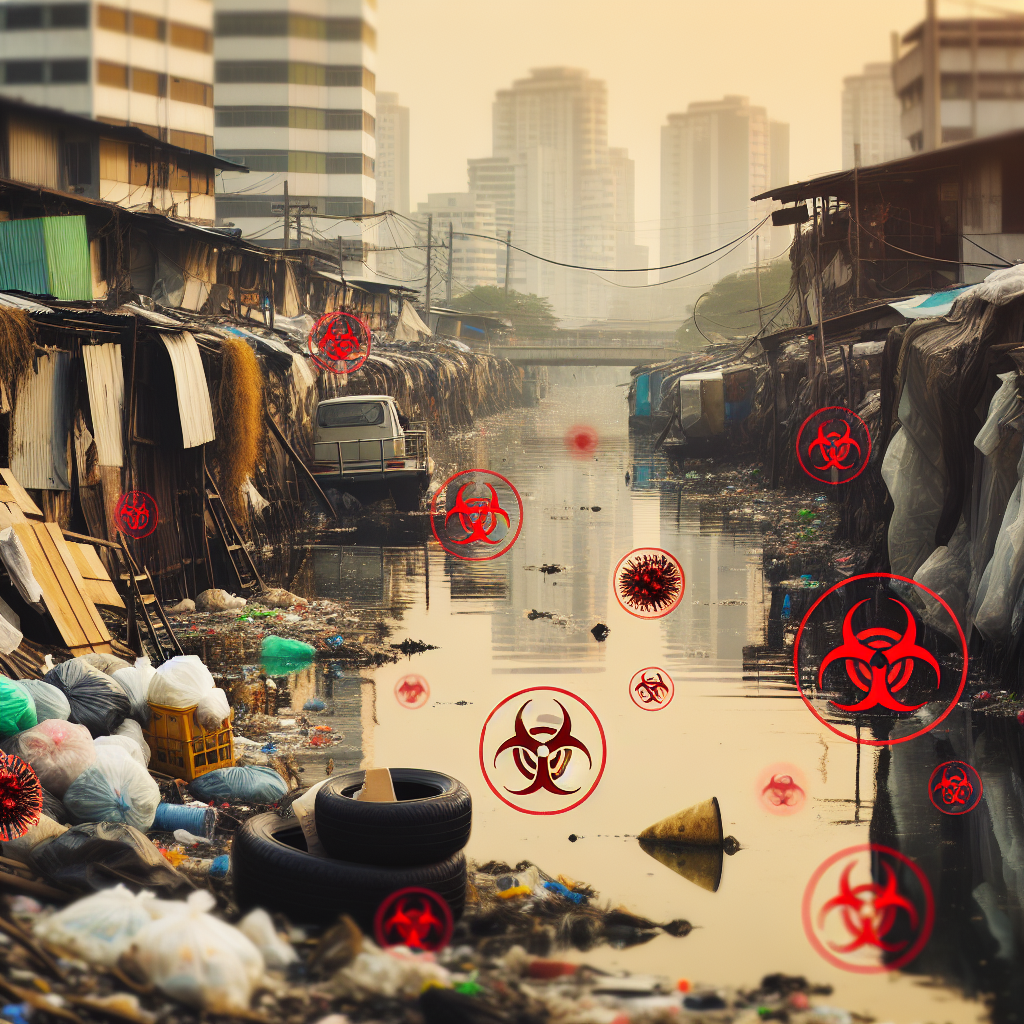
Urban water pollution is increasingly becoming a serious global issue. In cities worldwide, the combination of industrial waste, stormwater runoff, and untreated sewage has led to a crisis that impacts both human health and the environment. Recent studies have even linked the rise in hepatitis outbreaks to contaminated urban water sources. This article delves into the specifics of how urban water pollution contributes to these alarming health risks and what can be done to address them.
Understanding Urban Water Pollution
Urban water pollution arises from various sources, including industrial activities, domestic waste, and inefficient waste management systems. Each source contributes distinct pollutants:
– Industrial Discharges: Factories release heavy metals and toxic chemicals into local waterways.
– Stormwater Runoff: Rainwater washes debris, oil, and other pollutants from streets into rivers and lakes.
– Sewage Overflows: Aging infrastructure often leads to untreated sewage being discharged into water bodies.
This complex mixture of contaminants can have devastating effects on water quality, endangering ecosystems and public health.
The Hidden Risks: Hepatitis Outbreaks
Waterborne diseases have always been a concern, but recent hepatitis outbreaks linked to polluted urban water have raised the stakes. Hepatitis A, a virus that inflames the liver, can be spread through contaminated water. In areas with inadequate sanitation, the risk is exacerbated. Studies have shown that these outbreaks are not isolated incidents but are a growing trend in urbanized areas.
How Hepatitis Spreads in Polluted Waters
– Contaminated Drinking Water: Inadequately treated water supplies can harbor viruses, leading to widespread transmission.
– Recreational Water Use: Swimming in polluted lakes and rivers can expose individuals to infectious agents.
– Food Preparation: Using contaminated water for cooking or cleaning can introduce the virus into homes and restaurants.
Connection to Rising ALS Rates
Another surprising link has been observed between urban water pollution and the incidence of neurodegenerative diseases like Amyotrophic Lateral Sclerosis (ALS). Research suggests that chronic exposure to environmental pollutants, often found in tainted water sources, may contribute to the risk of developing ALS.
Possible Mechanisms
– Neurotoxic Contaminants: Chemicals such as lead and mercury have been found in polluted waters, potentially affecting neurological function.
– Oxidative Stress: Constant exposure to pollutants can result in oxidative stress, a condition associated with neuronal damage.
Mitigating the Risks of Urban Water Pollution
Addressing urban water pollution requires a multi-faceted approach:
1. Strengthening Regulations: Governments must enforce strict regulations on waste disposal and implement penalties for non-compliance.
2. Improving Infrastructure: Upgrading sewage systems and treatment plants can significantly reduce the influx of pollutants.
3. Public Education: Educating communities about safe water practices can reduce the risk of transmission of diseases like hepatitis.
4. Innovation in Water Treatment: Employing advanced technologies like ultraviolet disinfection and membrane filtration can enhance purification processes.
Community and Policy Actions
Efforts at both community and policy levels are crucial to tackle the issue effectively. Community involvement in clean-up campaigns and government investment in sustainable urban planning are pivotal steps. Policies should reflect a commitment to preserving water resources, emphasizing sustainability and public health.
Conclusion
Urban water pollution remains a critical challenge that necessitates immediate attention and action. The links between contaminated water, hepatitis outbreaks, and even rising ALS rates are a wake-up call for all stakeholders to prioritize water quality.
By taking decisive actions today, we can ensure a healthier future for urban populations. Reach out about your ALS and Real Water case through our contact page. Explore more related content on our blog. For immediate assistance, call 702-385-6000.
References
– Hepatitis and Waterborne Pathogens
– Urban Water Management Strategies
– Link Between Water Pollution and ALS