Water Proximity Studies: Avoiding Dangerous Bottled Water
Water proximity studies play a crucial role in ensuring the safety and quality of bottled water. By understanding the geographical and environmental factors that can affect water sources, consumers can make informed choices to avoid potential health risks. These studies analyze the relationship between water sources and their surroundings, particularly how certain conditions can lead to contamination or decreased water quality.
Understanding Water Proximity Studies
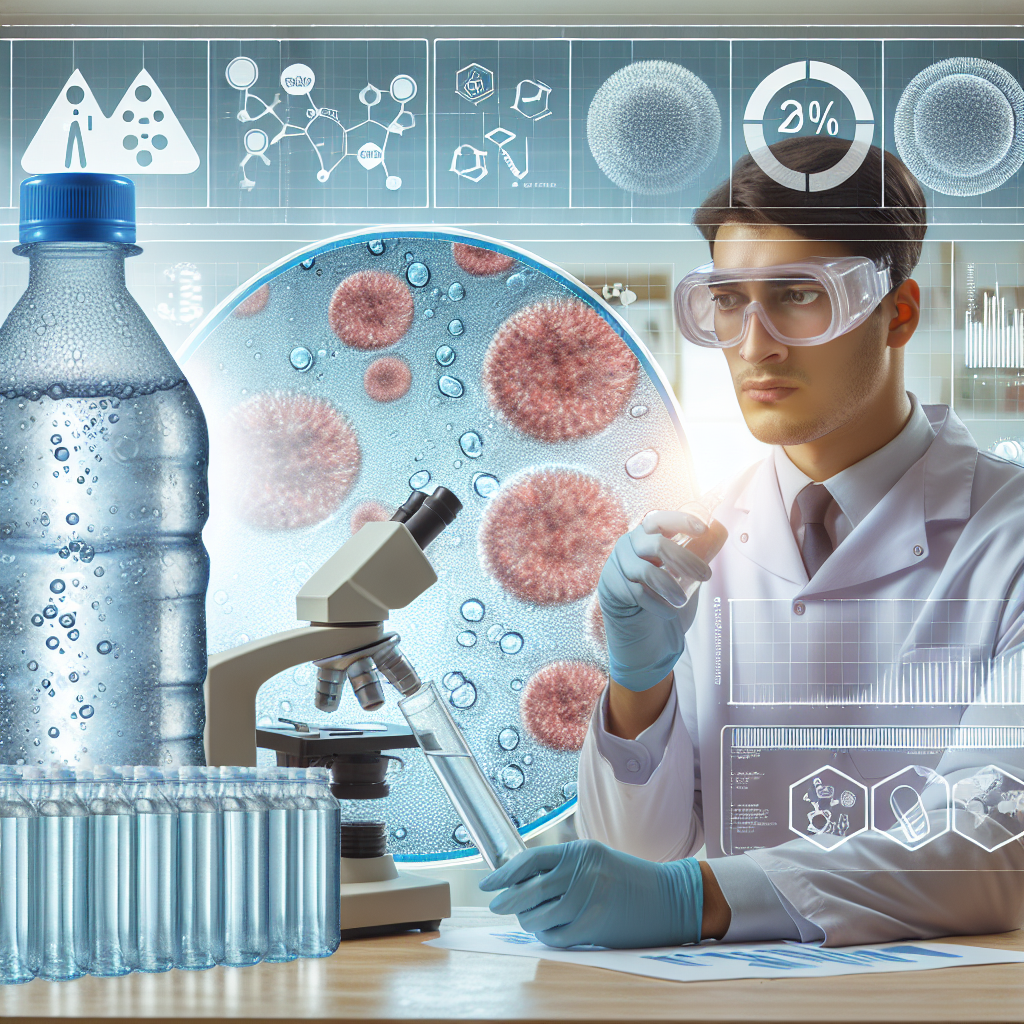
Water proximity studies delve into the immediate environment of water sources to evaluate potential contaminants. These studies examine several factors:
– Geological Formations: The type of rock and soil surrounding the water source can impact mineral content and contamination risks.
– Agricultural Runoff: Proximity to farms can introduce pesticides and fertilizers into the water.
– Industrial Activities: Factories near water sources may pose risks through chemical discharges or pollution.
– Urban Development: Increased infrastructure can lead to pollution from surface runoff and sewer overflows.
By scrutinizing these factors, experts aim to identify areas where bottled water might be at risk of contamination, ultimately helping consumers choose safer products.
Why Water Proximity Studies Matter
The findings from water proximity studies can influence regulatory guidelines and inform the public about safe bottled water choices. Contaminated water can lead to numerous health issues, including gastrointestinal diseases and neurological conditions such as Amyotrophic Lateral Sclerosis (ALS). Safeguarding water quality is, therefore, essential for public health.
Linking Water Quality to ALS
Recent research suggests a potential link between environmental factors and ALS, a neurodegenerative disease affecting nerve cells in the brain and spinal cord. Water proximity studies investigating ALS focus on harmful substances like heavy metals and pesticides, which have been identified as potential risk factors.
– Heavy Metals: Arsenic and lead, often found in water due to natural deposits or pollution, have been studied for their neurological impact.
– Pesticides: Chemicals used in agriculture can seep into groundwater, posing risks to nearby water sources.
It is important for consumers to be aware of these risks and choose bottled water from trusted, thoroughly tested sources.
How to Choose Safe Bottled Water
Armed with insights from water proximity studies, consumers can actively participate in ensuring their water is safe for consumption. Here are some guidelines:
– Research the Source: Verify the origin of the bottled water. Companies should provide information about the source and testing results.
– Check for Certifications: Look for seals and certifications from recognized organizations that verify water quality.
– Read Labels Carefully: Pay attention to details about the purification process and potential additives.
By following these steps, consumers can decrease their exposure to questionable bottled water and protect their health.
Impactful Case Studies
Water proximity studies have resulted in significant actions, both regulatory and corporate, when contaminants are discovered. A noteworthy example includes:
– Real Water Case: In 2021, the FDA issued a warning against Real Water due to an outbreak of nonviral hepatitis, linked to its bottled alkaline water. This incident highlighted the importance of comprehensive water testing and transparency in product sourcing.
The Role of Regulations and Standards
Regulations play a key role in maintaining water quality. Agencies such as the Environmental Protection Agency (EPA) and Food and Drug Administration (FDA) establish standards to ensure bottled water safety. These standards include:
– Microbial Standards: Limits on bacteria and other microorganisms that could compromise water safety.
– Chemical Contaminant Standards: Guidelines for permissible levels of chemical substances.
– Labeling Requirements: Ensuring consumers have access to critical product information.
Water proximity studies contribute to the development of these standards by providing scientific evidence that supports policy decisions.
Future of Water Proximity Studies in Bottled Water Industry
As environmental concerns and health issues continue to rise, water proximity studies are likely to become even more integral to the bottled water industry. Innovations in data collection and analysis allow for more precise detections of pollutants and a better understanding of natural water systems.
How Consumers Can Help
Public awareness and action can drive improvements in bottled water quality:
– Advocacy: Support legislation aimed at tightening water quality regulations.
– Community Involvement: Participate in local water monitoring efforts that contribute to broader studies.
– Consumer Pressure: Demand transparency and accountability from bottled water brands.
By taking these steps, individuals can play a part in maintaining high standards for water safety.
In conclusion, water proximity studies offer valuable insights into the factors affecting bottled water quality. To make informed choices and prevent health risks, consumers must be vigilant and proactive. Whether it’s through research, advocacy, or engagement with local efforts, everyone has a role to play in ensuring access to safe drinking water.
For anyone concerned about health issues like ALS related to bottled water, please reach out about these issues through our contact page. Explore more related content on our blog, or call us at 702-385-6000 for immediate assistance.
References
– Environmental Protection Agency (EPA)
– Food and Drug Administration (FDA)
– Study on Water Quality and Neurological Disorders
– Real Water Case and Regulatory Actions